Address
304 North Cardinal St.
Dorchester Center, MA 02124
Work Hours
Monday to Friday: 7AM - 7PM
Weekend: 10AM - 5PM
Address
304 North Cardinal St.
Dorchester Center, MA 02124
Work Hours
Monday to Friday: 7AM - 7PM
Weekend: 10AM - 5PM


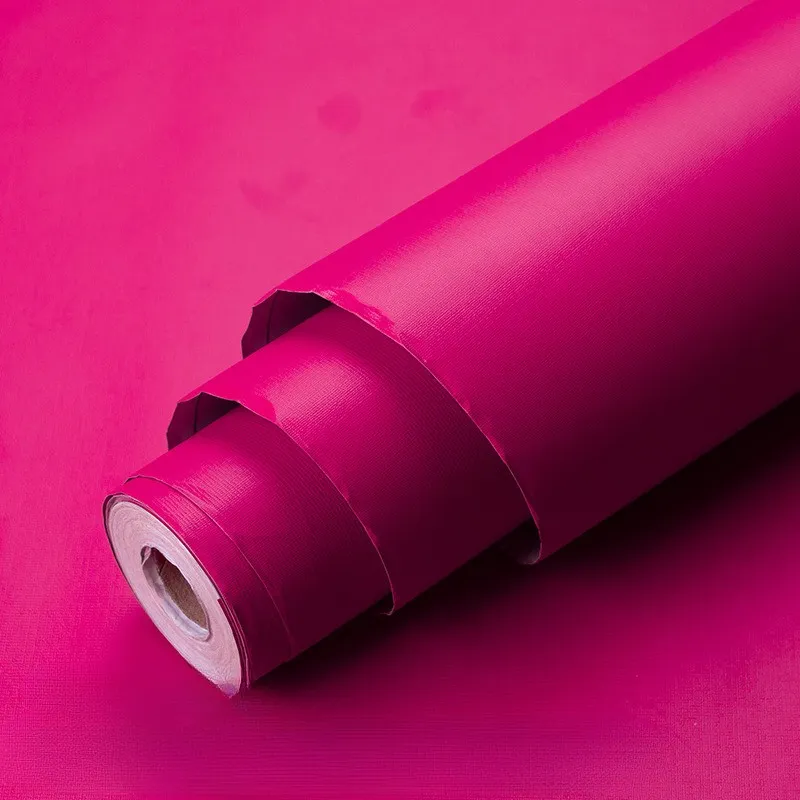
Stainless steel is renowned for its durability and sleek appearance, making it a staple in modern kitchens, appliances, and architectural features. However, its pristine surface is vulnerable to scratches, dents, and adhesive residue during manufacturing, shipping, installation, and even everyday use. This is where PVC protective film steps in as an indispensable solution. This guide explores the types, uses, and key considerations for purchasing the right PVC protective film for stainless steel.
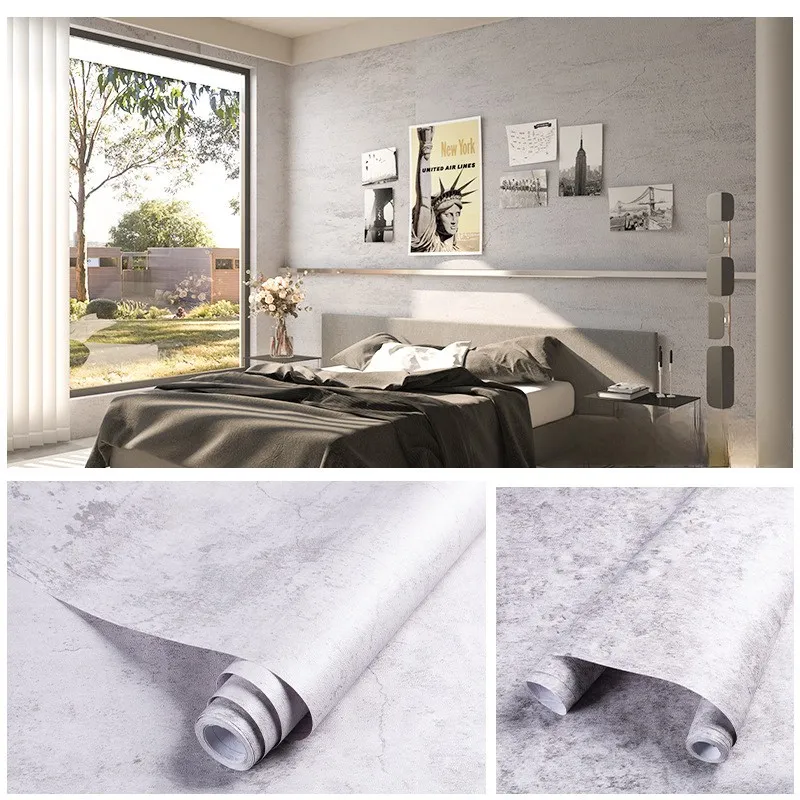
PVC (Polyvinyl Chloride) protective film is a pressure-sensitive adhesive film applied to stainless steel surfaces. Its primary purpose is to act as a sacrificial layer, absorbing impacts and preventing direct contact with tools, debris, or environmental contaminants. The benefits are clear:
→ Surface Preservation: It guards against scratches, scuffs, and abrasions that can occur during fabrication, handling, and installation.
→ Corrosion & Stain Resistance: Protects against fingerprints, water spots, and chemical splashes during construction or in transit.
→ Adhesive Control: High-quality films use adhesives designed for clean removal, leaving no sticky residue or ghosting on the steel surface.
→ Cost Efficiency: Prevents costly rework, refinishing, or replacement of damaged stainless steel components.
Not all protective films are created equal. The correct choice depends on the stainless steel finish, the intended application environment, and the required duration of protection.
Low-Tack (Removable) Adhesive Films: Ideal for short to medium-term protection. They are easy to apply and remove without residue, perfect for appliances and products in showrooms or during shipping. They are commonly used on polished or brushed finishes.
Medium-Tack Adhesive Films: Offer stronger adhesion for longer-term protection during construction or extended storage. They resist lifting from edges but are still designed for clean removal.
High-Performance Adhesive Films: Used in harsh environments or for very long-term protection. They provide excellent resistance to UV exposure, moisture, and temperature fluctuations. Removal may require heat or a specialized solvent.
Clear Films: The most common type. They allow for visual inspection of the stainless steel surface beneath while providing protection. Essential for maintaining the aesthetic during quality checks.
Blue or Green Tinted Films: These films make it easy for installers and end-users to see that a protective layer is present, ensuring it is not mistakenly left on the final product. The tint also helps mask minor adhesive patterns.
Matte or Anti-Glare Films: Applied to brushed or matte stainless steel finishes to prevent scratching and to maintain the specific surface texture without adding unwanted shine.
Standard Duty (2-3 mil): Suitable for light protection against dust and handling scratches. Often used for indoor appliances or finished goods.
Heavy Duty (4-8 mil): Provides robust protection against impact, abrasion, and harsh weather. Used for stainless steel sheets on construction sites, for architectural panels, or for marine applications.
Laminated or Multi-Layer Films: These combine layers for added strength, UV stability, and anti-static properties, offering premium protection for high-value surfaces.
PVC protective film is versatile, serving multiple industries where stainless steel integrity is paramount.
Applied immediately after polishing or finishing, the film protects sheets, coils, and fabricated parts (like sinks, countertops, or panels) throughout the machining, bending, and assembly processes. It prevents tool marks and keeps surfaces pristine until final assembly.
Protects finished products like kitchen appliances (refrigerators, ovens, range hoods), elevator panels, and medical equipment during packing, palletizing, and transportation from the factory to the distributor or end-user.
In architectural projects, stainless steel cladding, handrails, and signage are protected during building construction. The film shields against mortar, paint splatter, welding sparks, and general jobsite debris. It is typically removed after all trades have completed their work and the site is cleaned. For related construction surface solutions, explore options like Marble Film for decorative surfaces or PVC skirting film for baseboard protection.
Appliances in showrooms or homes may have a protective film applied by the manufacturer. This allows consumers to enjoy a flawless product upon delivery and gives them the choice of when to remove it. For interior applications that combine protection with aesthetics, materials like Glossy Wardrobe Film or Wood Grain Film offer durable and attractive alternatives for furniture and fixtures.
Selecting the right film requires careful evaluation of several factors to ensure optimal performance and value.
The adhesive must be compatible with your specific stainless steel finish (e.g., mirror polish, brushed, bead-blasted, etched). Test samples are crucial. A film that works on a mirror finish might leave an imprint on a delicate brushed finish. Always request and test a sample on your actual material.
Duration: How long will the film need to stay on? Days, months, or years?
Temperature: Will the protected product be stored outdoors, shipped across climates, or exposed to heat from welding?
UV Exposure: Prolonged sunlight can cause some adhesives to cure and become difficult to remove. Specify UV-stable films for outdoor applications.
The adhesive is the heart of the film. Key questions to ask your supplier:
• Residue: Does it promise clean, residue-free removal?
• Lifting: Will it resist edge-lifting or bubbling over time?
• Repositionability: Can it be repositioned during application?
• Chemical Resistance: Is it resistant to oils, solvents, or alkalis it might encounter?
Partner with a manufacturer known for consistency. Look for suppliers who control their calendering film production process, as this ensures uniformity in thickness, clarity, and adhesive coating. A reliable supplier will offer technical support, provide comprehensive material data sheets, and have a proven track record in your industry. For a wide range of specialized films, browse our main Product catalog.
Consider the ease of application. Films with a liner are easier to handle. For large sheets, air-release channels in the adhesive can prevent trapped bubbles. Similarly, understand the removal process—will it require a simple peel, or might it need a heat gun for aged film?
If the film is difficult to peel, apply gentle heat with a hairdryer or heat gun to soften the adhesive. Peel slowly at a low angle. For any residual adhesive, use a mild solvent like isopropyl alcohol or a dedicated adhesive remover, testing in an inconspicuous area first. Never use abrasive pads or sharp blades that can scratch the steel.
Yes, but with extreme caution. Always perform an extended compatibility test. Some coatings (like PVD coatings) can be sensitive to certain adhesives. Use a low-tack, specifically formulated film and consult both the film supplier and the coating manufacturer.
PVC films are generally more flexible, conformable, and offer better clarity and tear resistance, making them excellent for complex shapes and standard protection. PET (Polyester) films are stiffer, offer higher temperature resistance, and are often used for more demanding industrial applications or where extreme dimensional stability is needed.
This depends entirely on the film’s formulation. Standard removable films are designed for up to 6-12 months. High-performance, UV-stable films can last for several years. Exceeding the recommended time can lead to adhesive hardening, making removal difficult and increasing the risk of residue.
For detailed information on various protective and decorative films, visit our resource center at Knowledge. If you have specific project requirements, feel free to Contact our technical team for personalized advice.