Address
304 North Cardinal St.
Dorchester Center, MA 02124
Work Hours
Monday to Friday: 7AM - 7PM
Weekend: 10AM - 5PM
Address
304 North Cardinal St.
Dorchester Center, MA 02124
Work Hours
Monday to Friday: 7AM - 7PM
Weekend: 10AM - 5PM


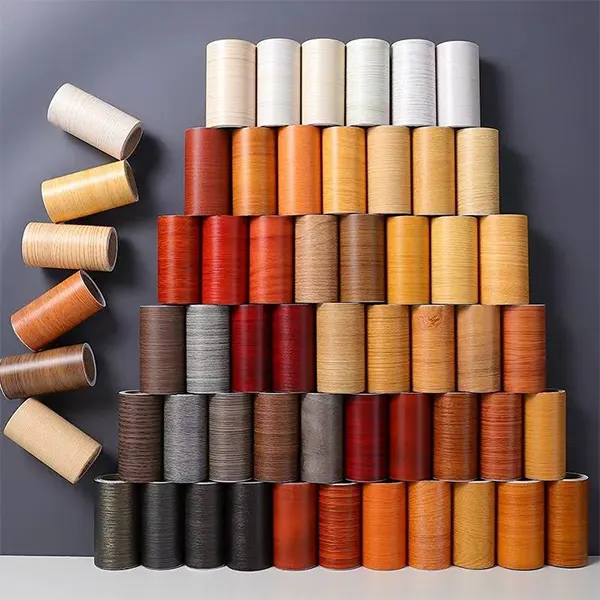
PVC Protective Film vs PE Film: a practical guide to the key differences, common applications, and how to choose the right protective film for your project. This article breaks down material properties, installation tips, and real-world use cases so you can pick the best option for durability, appearance, and cost.
PVC (polyvinyl chloride) protective film is a vinyl-based product often used where surface protection and decorative finishes are needed. It frequently comes with adhesive backing or a tacky finish designed to cling to surfaces like painted panels, laminated furniture, or metal.
PE (polyethylene) film is a simpler polymer film commonly used for packaging, rust prevention, and heavy-duty temporary protection. PE films tend to be more flexible and chemically inert compared with PVC.
Understanding the basic performance traits of each film helps narrow selection quickly. Below are the most important technical differences and how they affect real applications.
| Feature | PVC Film | PE Film |
|---|---|---|
| Material | Vinyl-based, can be printed/embossed | Polyethylene, plain or co-extruded |
| Typical Uses | Surface protection, decorative wraps, furniture & flooring protection | Packaging, rust-preventive covers, pallet wrapping, construction masking |
| Adhesion | Often has adhesive—removable or permanent | Usually non-adhesive or lightly tacky; can be taped |
| Durability | Higher surface resistance to abrasion and printing | Good tear resistance; lower decorative options |
| Temperature & UV | Can yellow under UV; choose UV-stable grades for outdoors | Better UV stability in untreated low-cost grades; thicker PE helps |
| Cost | Moderate to higher depending on print/finish | Typically lower cost per square meter |
PVC protective film is ideal when you need appearance-preserving protection—for example, protecting glossy cabinetry, laminated panels, or decorative metal surfaces during transit or installation. It’s also used where printed graphics or textured finishes are required.
PE film is the go-to for shipping and industrial protection—pallet wrapping, construction site masking, anti-rust films for metal sheets, and temporary floor protection. If cost-efficiency and moisture barrier are priorities, PE is often the better choice.
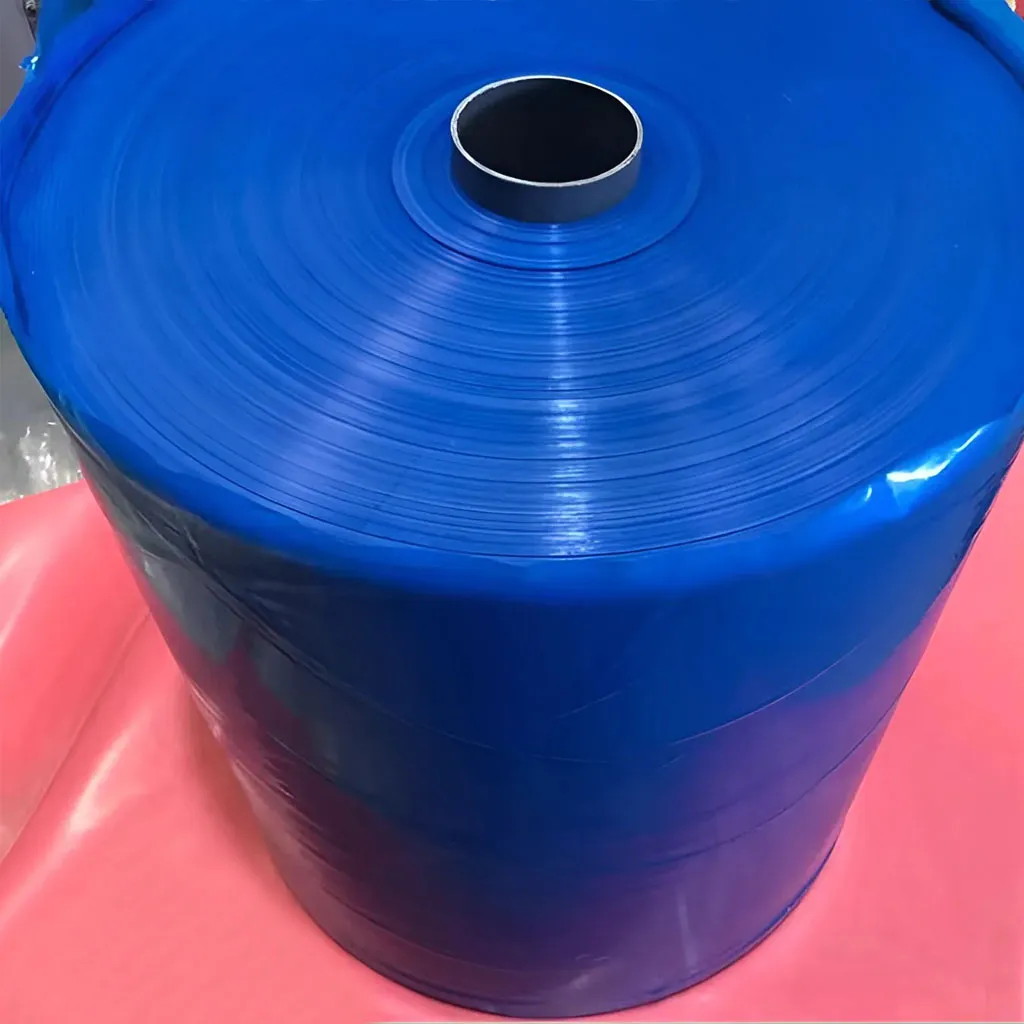
PVC Pros: great for printed/embossed finishes, strong adhesion options, excellent for surface-level scratch protection. Cons: can yellow or leave residue in long exposures, typically costlier than PE.
PE Pros: affordable, flexible, moisture resistant, good for anti-rust and heavy industrial wrapping. Cons: limited decorative finishes, usually non-adhesive so fit/fastening may be needed.
– For decorative panels, furniture, or architectural elements: choose PVC with the right adhesive grade and a thickness that resists puncture during installation.
– For temporary protection during transport, shipping, or outdoor construction: choose PE with sufficient gauge (thickness) and optionally a UV-stable or anti-rust treated variant.
– Always test a small area for adhesive residue and for compatibility with painted or delicate surfaces before full application.
Apply film to a clean, dry surface using a squeegee to remove air pockets. For adhesive PVC, follow the manufacturer’s recommended dwell time before long-term exposure to sunlight or heat. Remove slowly at a low angle to reduce residue risk. If residue occurs, use a mild solvent recommended for the underlying surface.
Both PVC and PE are recyclable in specific streams, but availability varies by region. PE is generally easier to recycle; PVC contains chlorine and stabilizers that complicate recycling. Consider reuse, buy-back programs, or sourcing films with recycled content when environmental impact is a concern.
If your priority is appearance, printability, or decorative protection—PVC is often the better choice. If you need cost-effective, heavy-duty, moisture-resistant protection for packaging or construction, PE is usually preferable.
Pulivk — Henan Pulivk New Materials Co., Ltd. provides calendering, printing, and split-packaging lines with full in-house production to ensure consistent quality, flexible OEM, and global export experience: https://pvcfilmtec.com/
Match material features to the job: choose PVC for surface-sensitive, decorative, or printed protection and PE for budget-conscious, industrial, or moisture-sensitive tasks. When in doubt, request samples in the intended thickness and adhesive type and perform a short on-site test.