Address
304 North Cardinal St.
Dorchester Center, MA 02124
Work Hours
Monday to Friday: 7AM - 7PM
Weekend: 10AM - 5PM
Address
304 North Cardinal St.
Dorchester Center, MA 02124
Work Hours
Monday to Friday: 7AM - 7PM
Weekend: 10AM - 5PM


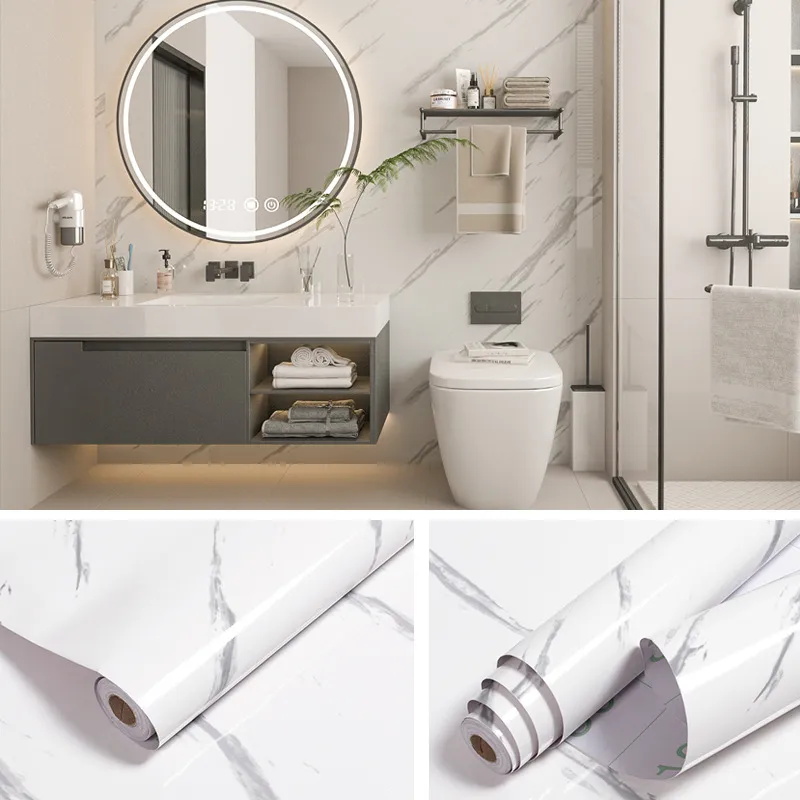
PVC scratch-resistant film is a versatile protective and decorative material used across furniture, cabinetry, flooring, automotive trim, and commercial surfaces. This guide explains the full manufacturing process, critical quality checks, common applications, and practical tips for spec’ing films that balance durability, aesthetics, and cost-effectiveness.
Scratch resistance protects high-traffic surfaces from daily wear, scuffs, and abrasions. PVC films also deliver consistent color, texture options (matte, glossy, wood grain, marble), and simple installation methods that reduce renovation time and labor costs. For businesses and designers, scratch-resistant films offer a fast way to refresh interiors without full replacements.
• Long-lasting protection with specialized top coats that increase surface hardness and reduce visible marks.
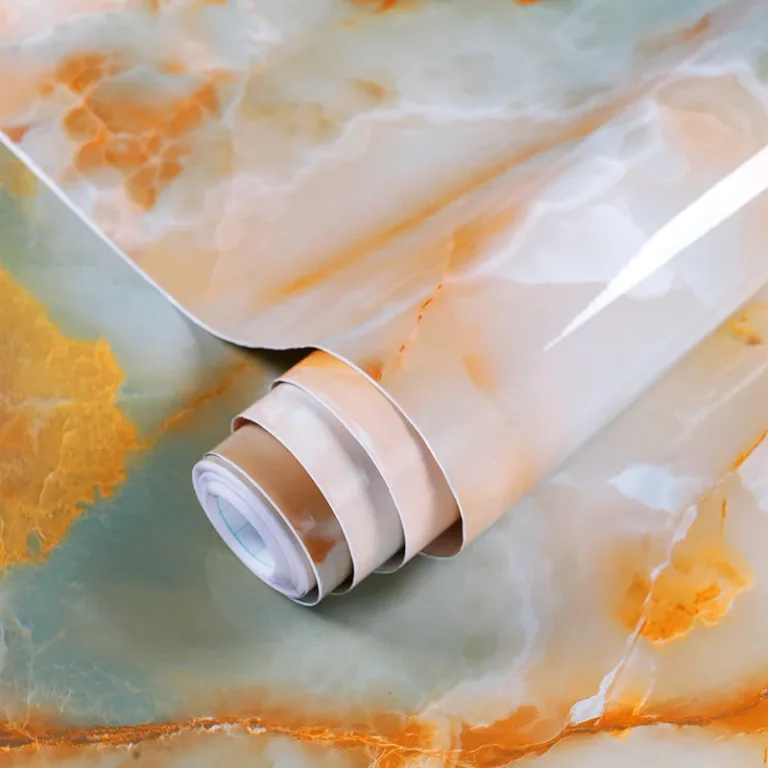
• Wide range of finishes and prints that mimic expensive materials like stone or wood.
• Water and oil resistance options for kitchens and bathrooms.
1. Raw material compounding: PVC resin, stabilizers, plasticizers, pigments, and additives are blended to achieve the desired flexibility and weather resistance.
2. Calendering or extrusion: Molten PVC is formed into film using calendering lines for smooth, uniform thickness. Calendered processing allows precise control over texture and surface finish.
3. Printing and patterning: High-resolution printing lines apply wood grain, marble, metallic, or custom patterns. Multi-layer printing and protective lacquers are added for depth and durability.
4. Coating and scratch-resistant topcoat: A clear hard coat is applied to improve abrasion resistance. Formulations can be tuned for different hardness levels and gloss ratings.
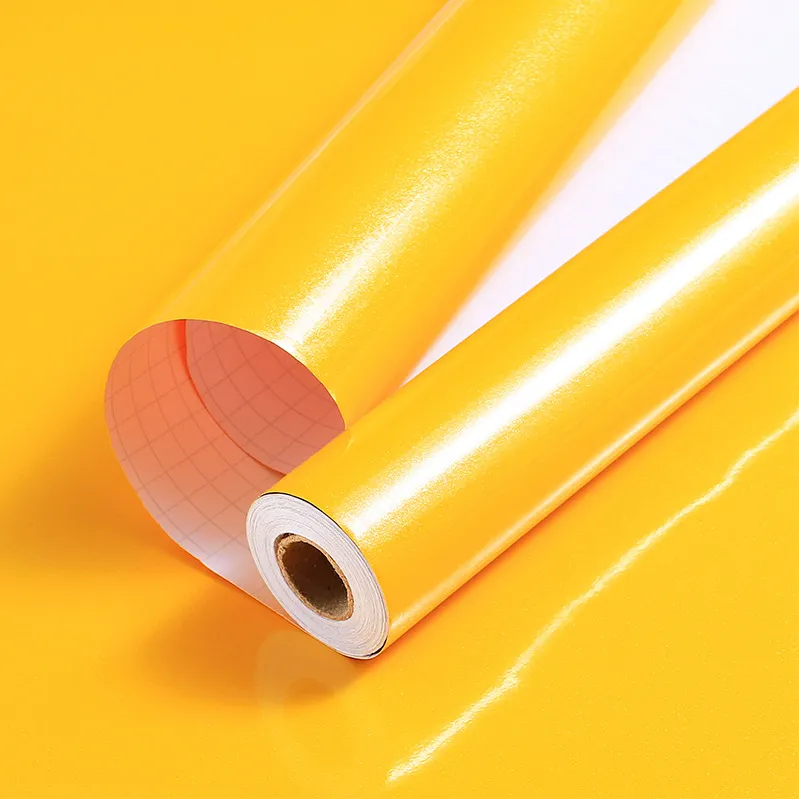
5. Adhesive application (for self-adhesive film): Pressure-sensitive adhesives are coated and then protected with release liners for easy installation.
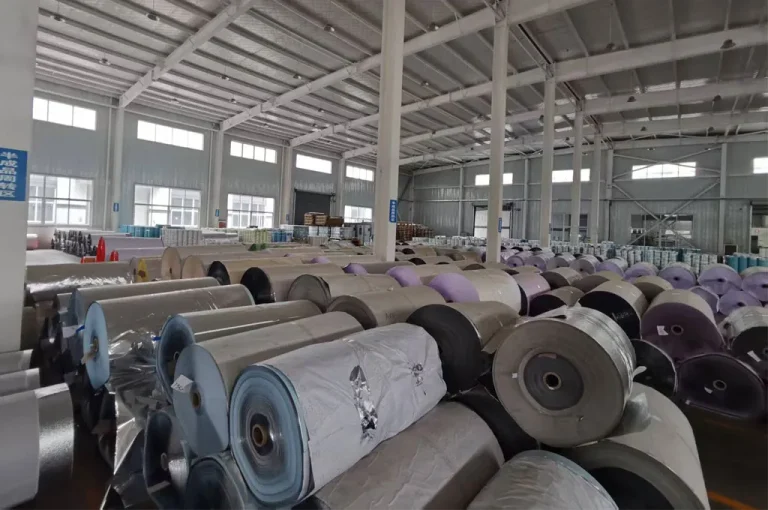
6. Slitting and split-packaging: Large rolls are split into required widths and lengths, individually wrapped for dust protection, and labeled for logistics.
• Raw material inspection (pigment match, plasticizer content).
• Thickness uniformity and tensile strength tests after calendering.
• Print color consistency and registration accuracy.
• Scratch and abrasion testing on finished film surfaces.
• Adhesion and peel testing for self-adhesive variants.
| Property | Typical Range | Notes |
|---|---|---|
| Thickness | 50–500 µm | Common 80–250 µm for decorative films |
| Surface hardness | 2H–6H (topcoat) | Higher H = better scratch resistance |
| Roll widths | 300–1500 mm | Custom widths available |
| Adhesive | Solvent-based / Water-based PSA / Non-adhesive | Select by application & substrate |
| Temperature range | -10°C to 60°C | High-temp grades available |
• Furniture surfacing: Use matte or wood-grain scratch-resistant films for tables, cabinets, and wardrobes. Ensure substrate is smooth and clean for best adhesion.
• Flooring overlays: Heavy-duty scratch-resistant films combined with anti-slip textures work well for temporary or budget-friendly flooring renovations.
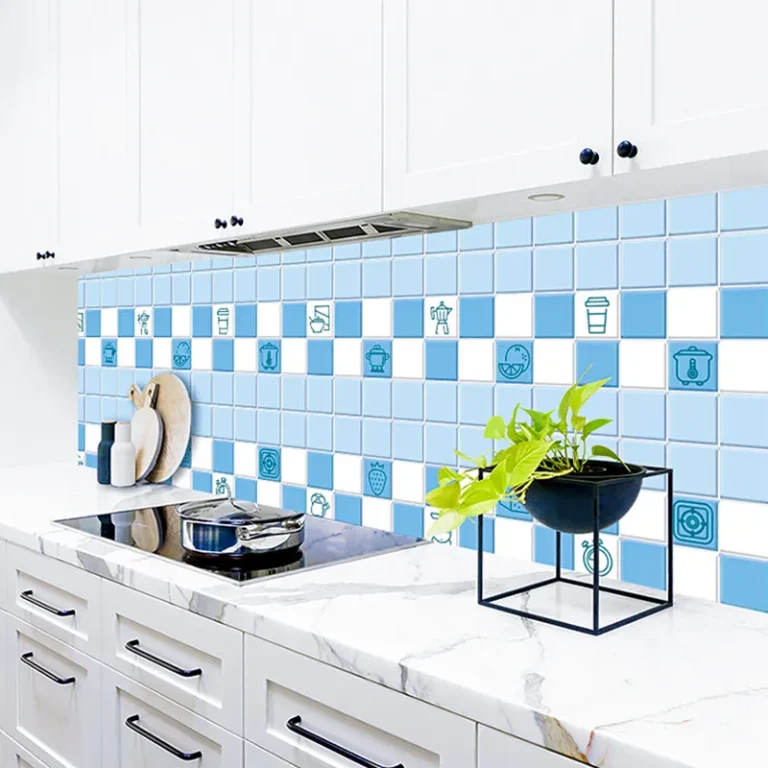
• Kitchen countertops and backsplashes: Select oil- and water-resistant topcoats with higher gloss options for easier cleaning.
• Automotive trim and decals: Thin calendered films with high abrasion resistance protect door panels and interior trims.
• Surface prep: Remove dust, oils, and laitance. Use primer if recommended for low-energy plastics.
• Temperature: Install at moderate room temperatures (15–30°C) to improve adhesive flow and minimize bubbles.
• Application method: Use squeegees for smooth laydown; heat guns can help conform film to curved surfaces but avoid overheating the PVC.
• Edge sealing: Seal exposed edges where moisture could creep under the film in wet areas.
Modern formulations focus on lower VOC adhesives and lead-free stabilizers. For projects in regions with strict environmental standards, request material declarations and test reports for REACH, RoHS, or equivalent regional compliance.
Bulk calendered runs and in-house printing reduce lead times. Typical production lead times vary by order size and customization level; standard stocked patterns may ship faster than bespoke printed designs.
Pulivk operates full in-house production with calendering, printing, and split-packaging lines to ensure quality control, flexible OEM services, and reliable lead times—ideal for exporters and large-volume buyers.
• Desired finish (matte/gloss/wood/marble)
• Required scratch hardness (H rating)
• Adhesive type or non-adhesive
• Roll width and core diameter
• Environmental compliance needs
Choose films with proven abrasion test results and request sample swatches for color and topcoat feel. For high-traffic commercial spaces, prioritize higher hardness topcoats and thicker films to extend lifetime and reduce maintenance costs.