Address
304 North Cardinal St.
Dorchester Center, MA 02124
Work Hours
Monday to Friday: 7AM - 7PM
Weekend: 10AM - 5PM
Address
304 North Cardinal St.
Dorchester Center, MA 02124
Work Hours
Monday to Friday: 7AM - 7PM
Weekend: 10AM - 5PM


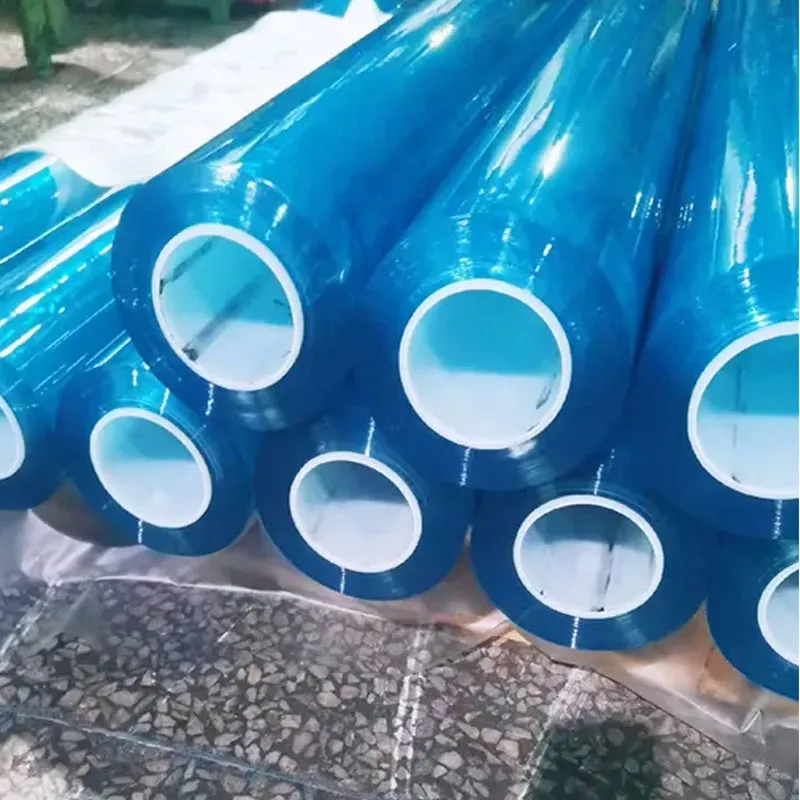
In the dynamic world of packaging, finding the right material that balances protection, presentation, and cost-effectiveness is crucial. PVC shrink film has emerged as a versatile and reliable solution, meeting diverse needs across industries. This article delves into the various types of PVC shrink film, their extensive applications, and the custom solutions available to tailor packaging to specific requirements.
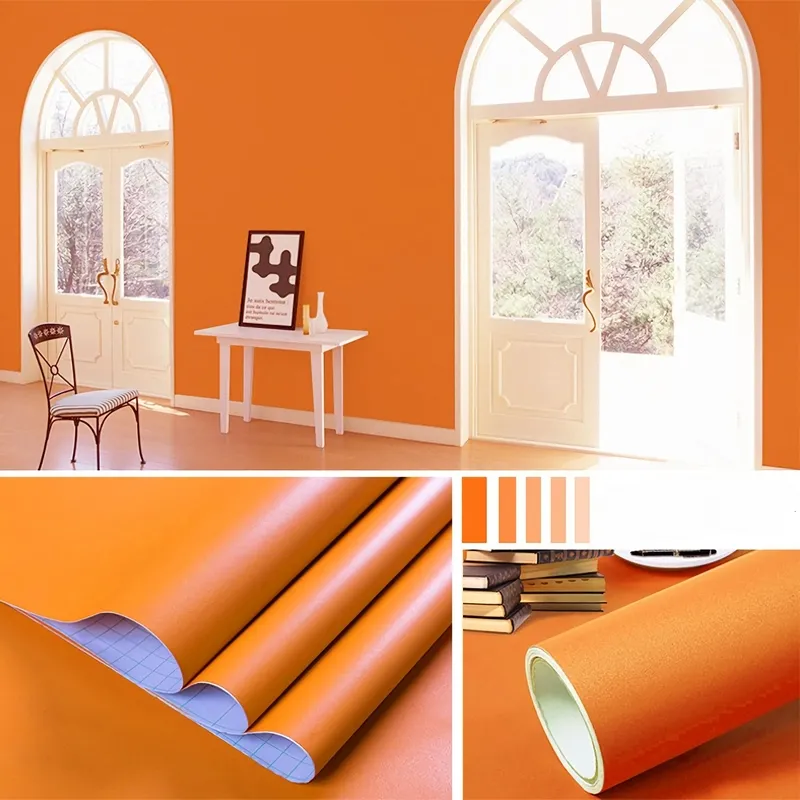
Polyvinyl Chloride (PVC) shrink film is a thermoplastic material known for its excellent clarity, strength, and shrink properties. When heat is applied, the film contracts tightly around the product, creating a secure, tamper-evident, and visually appealing package. Its versatility stems from the ability to modify its formulation to achieve different levels of thickness, clarity, strength, and shrink percentage.
A key advantage of PVC shrink film is its high clarity and gloss, which enhances product visibility and shelf appeal. It also offers good puncture resistance and durability, protecting goods during storage and transit.
The functionality of PVC shrink film can be categorized into several main types, each suited for specific packaging challenges.
This is the most common type, offering a balance of clarity, strength, and shrink performance. It is ideal for bundling multiple items together, such as bottles, cans, or boxes, creating a stable multi-pack for retail. Its reliable performance makes it a staple in food and beverage, consumer goods, and pharmaceutical packaging.
Engineered for demanding applications, this film boasts enhanced tensile strength and puncture resistance. It is perfect for packaging heavy or irregularly shaped items, industrial parts, or products with sharp edges that might compromise standard films. For related heavy-duty surface protection in other industries, explore options like Floor Film.
Beyond protection, packaging is a powerful marketing tool. PVC shrink film can be pre-printed with high-quality graphics, logos, barcodes, and product information using flexographic or rotogravure printing. This eliminates the need for secondary labels and creates a seamless, branded look. The printing process requires precise control, much like the production of decorative films such as Wood Grain Film or Marble Film.
This film features micro-perforations that allow air and moisture to escape during the shrinking process. It is essential for packaging fresh produce, baked goods, or other items that require breathability to maintain freshness and prevent condensation build-up inside the package.
The adaptability of PVC shrink film makes it indispensable across numerous sectors.
🔹 Food & Beverage: Used for bundling bottles, cans, yogurt cups, and snack trays. Perforated films are used for vegetables and fruits. It provides tamper evidence and hygiene.
🔹 Consumer Goods: Ideal for packaging software boxes, toys, stationery, and tools. The film secures the product to a cardboard backing, preventing pilferage.
🔹 Pharmaceuticals: Secures medicine bottles, vials, and blister packs together, ensuring integrity and providing a clean, professional appearance.
🔹 Industrial & Hardware: Bundles tools, parts, and construction materials. High-performance films protect metal components from dust and corrosion.
🔹 Promotional & Multi-Packs: Creates attractive multi-unit promotions, encouraging bulk purchases while clearly displaying the products inside.
Off-the-shelf solutions don’t always fit unique product shapes, branding needs, or logistical requirements. This is where custom PVC shrink film solutions become critical. Leading manufacturers offer tailored services to meet exact specifications.
• Thickness (Gauge): Customized from very thin films for lightweight items to thick, heavy-duty gauges for industrial protection.
• Shrink Ratio & Force: Adjusted to ensure a perfect, wrinkle-free fit around simple or complex geometries without damaging the product.
• Color & Clarity: Available in crystal clear, tinted colors (like black, white, or custom Pantone matches), or opaque finishes for premium branding.
• Additives & Coatings: Films can be engineered with UV inhibitors for outdoor storage, anti-fog agents for refrigerated items, or anti-static properties for electronic components.
• Printing & Finishing: Full custom printing with specific color matching, sequential numbering, or security features. This level of bespoke design parallels the customization available in decorative applications, such as creating a Glossy Wardrobe Film for furniture.
Working with a specialized producer for custom shrink film offers significant advantages:
Material Efficiency: A film tailored to your product’s exact dimensions minimizes waste, reducing material costs and environmental impact.
Enhanced Brand Identity: Unique colors, textures (like a soft-touch feel), and premium printing create standout packaging that reinforces brand value.
Optimized Logistics: Custom roll widths and lengths can be designed to fit specific automated packaging machinery, maximizing line speed and reducing downtime.
Technical Support: Expert partners assist with film selection, machinery compatibility testing, and troubleshooting, ensuring a smooth operation from start to finish.
For businesses looking to innovate their packaging, exploring a manufacturer’s full product range and technical knowledge base is an excellent first step.
Selecting the optimal film involves evaluating several factors:
1. Product Characteristics: Consider weight, shape, sharpness, and sensitivity to heat.
2. Packaging Machinery: The film must be compatible with your L-sealer, sleeve wrapper, or shrink tunnel in terms of sealability and shrink temperature.
3. Supply Chain Requirements: Evaluate needs for durability during shipping, shelf-life, and whether the package will be stored indoors or outdoors.
4. Regulatory Compliance: For food contact, ensure the film complies with relevant FDA or EU regulations.
Consulting with a knowledgeable supplier who can provide samples and run tests is the most reliable way to make the correct choice.
PVC shrink film generally offers higher clarity and gloss at a lower cost, with a wider range of available gauges. POF film is known for its exceptional toughness, higher shrink force, and more environmentally friendly reputation (being chlorine-free). The choice depends on the specific application, budget, and performance requirements.
Yes, but it is critical to use food-grade PVC shrink film that is compliant with regulations like the U.S. FDA or EU standards. These films are formulated with approved additives to ensure they are safe for direct or indirect food contact.
The necessary thickness (measured in microns or gauge) depends on your product’s weight, size, and fragility. Heavier or sharper items require thicker film. A reliable supplier can recommend the appropriate gauge based on your product specifications and may offer trial samples for testing.
While traditional printing methods like rotogravure have high setup costs, modern digital printing options are making short-run, customized printed shrink film more accessible and cost-effective than ever, allowing for greater flexibility in marketing and promotions.
The industry is addressing environmental concerns. PVC shrink film is recyclable (Recycling Code #3), and advancements are being made in using recycled content. Furthermore, because it is lightweight and can be engineered to use minimal material without sacrificing protection, it can help reduce the overall carbon footprint of packaging by optimizing material use and reducing transportation weight.