Address
304 North Cardinal St.
Dorchester Center, MA 02124
Work Hours
Monday to Friday: 7AM - 7PM
Weekend: 10AM - 5PM
Address
304 North Cardinal St.
Dorchester Center, MA 02124
Work Hours
Monday to Friday: 7AM - 7PM
Weekend: 10AM - 5PM



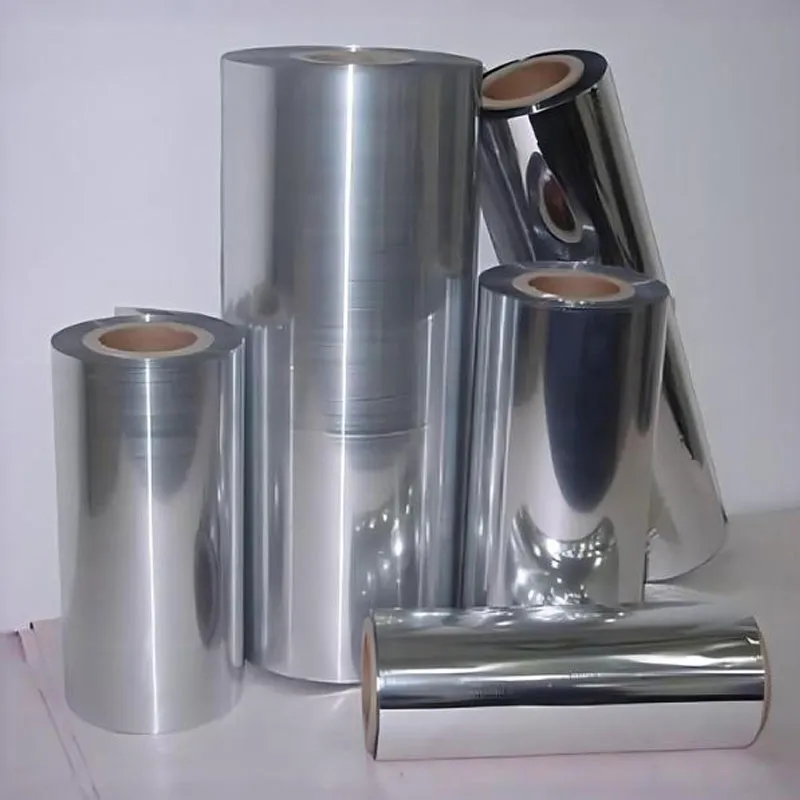
The price of PVC soft film depends on a mix of raw materials, production methods, specification choices, and logistics. Understanding the key cost drivers and practical benefits helps buyers—from furniture manufacturers to packaging suppliers—choose the best option for quality and budget.
When comparing quotes, evaluate the following factors carefully. Small specification changes can produce large price differences.
PVC resin grade and the type/amount of plasticizers, stabilizers, and additives determine base material cost. Films with upgraded additives (UV stabilizers, anti-scratch coatings, antibacterial agents) carry a premium.
Thicker films (measured in mils or microns) require more raw material and processing time. Typical commercial options range from ultra-thin protective films to heavy decorative films—choose thickness to match durability requirements.
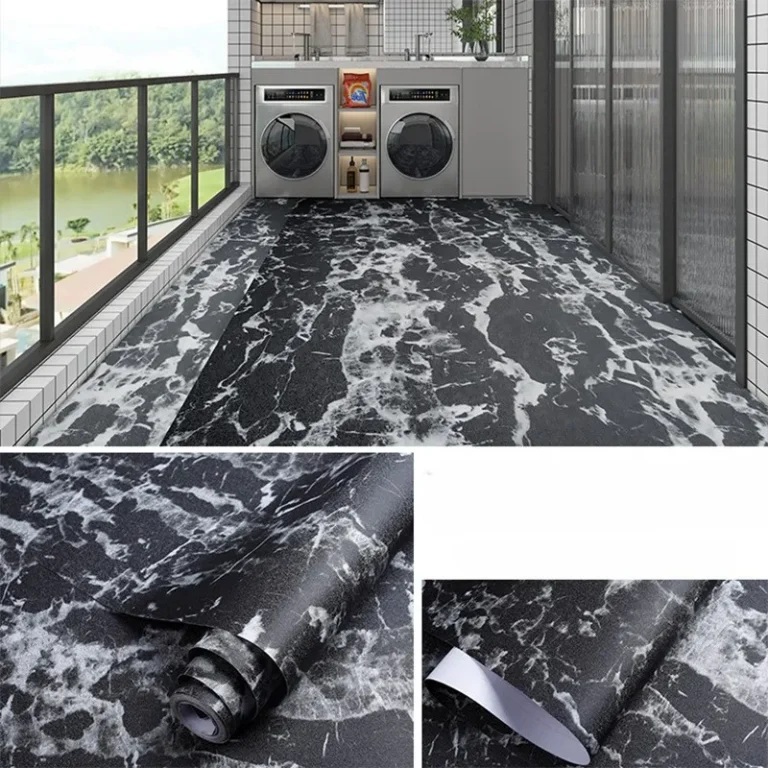
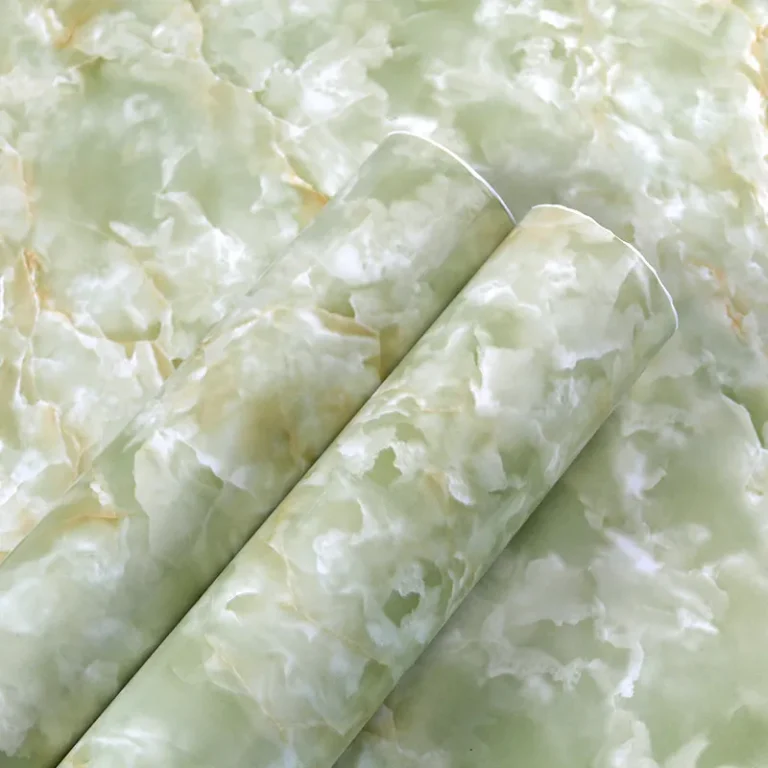
Calendered PVC films are generally more economical for large runs and offer consistent thickness. Printed, embossed, pearlescent or 3D textured finishes add processing steps and increase cost. Surface treatment (glossy or matte coatings) also affects pricing.
MOQ, roll length, cut-to-size, split packaging and custom colors/prints influence per-unit price. Higher volume orders generally unlock better unit pricing.
Global PVC resin costs, plasticizer and pigment availability, and freight inflation impact quotes. Local tariffs, taxes, and seasonal demand swings also matter.
Products backed by strict QC processes or certifications (antibacterial, fire-retardant, food-contact approvals) will be priced higher but reduce long-term risk.
| Factor | Typical Impact on Price |
|---|---|
| Material Grade & Additives | High |
| Thickness (micron/mils) | Medium to High |
| Finish & Printing | Medium |
| Order Quantity | High (per-unit reduces with volume) |
| Logistics & Duties | Variable |
PVC soft film offers a strong balance of cost and performance. Key benefits include:
Follow a structured selection process to align product performance with budget:
Is the film for cabinetry, flooring skirting, protective masking, or packaging? High-traffic floors need thicker, anti-scratch films; decorative panels can prioritize appearance and texture.
List required thickness, tensile strength, elongation, surface finish, and any required certifications. These specs help suppliers deliver accurate pricing and samples.
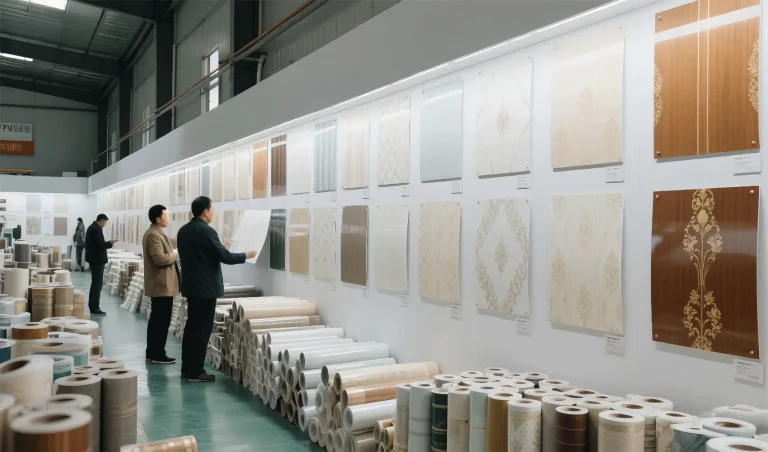
Choose suppliers with in-house production lines (calendering, printing, split-packaging) and robust QC—this lowers lead times and improves consistency. For example, Pulivk (https://pvcfilmtec.com/) operates full in-house calendering, printing and packaging lines to ensure stable quality and flexible OEM options.
Always test color accuracy, adhesion, water/chemical resistance and wear under realistic conditions before committing to large orders.
Consider product lifespan, installation cost, replacement rate and warranty. A slightly higher upfront price may be more economical if replacement cycles are reduced.
Smart procurement strategies can lower unit cost without sacrificing quality:
Use this short checklist when evaluating quotes:
Match film specs to function, verify supplier production and QC, test samples under real conditions, and compare lifecycle costs—not just the quoted unit price. With the right approach you can secure a PVC soft film solution that balances price, performance, and delivery reliability.