Address
304 North Cardinal St.
Dorchester Center, MA 02124
Work Hours
Monday to Friday: 7AM - 7PM
Weekend: 10AM - 5PM
Address
304 North Cardinal St.
Dorchester Center, MA 02124
Work Hours
Monday to Friday: 7AM - 7PM
Weekend: 10AM - 5PM


 ByPulivk
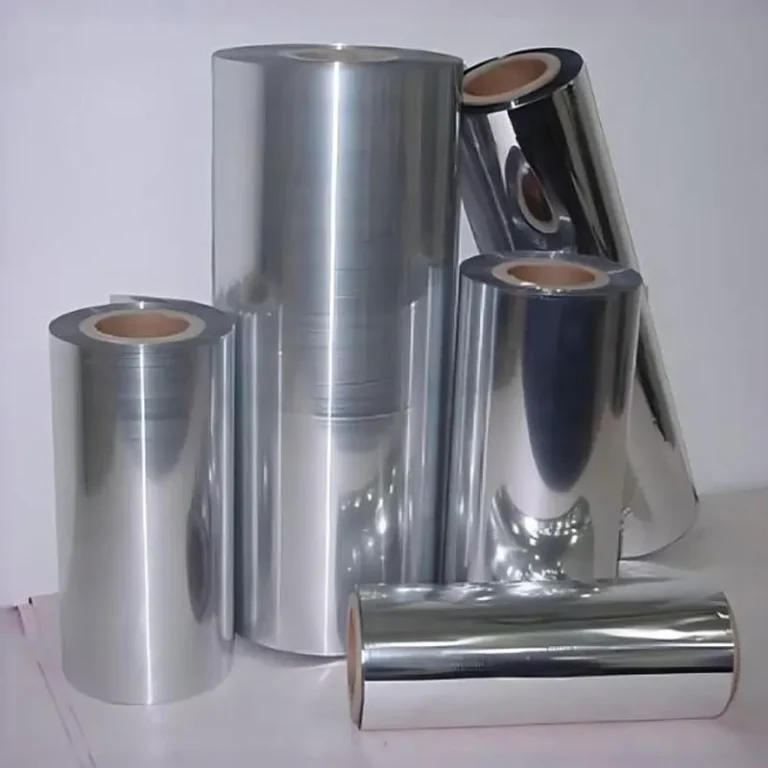
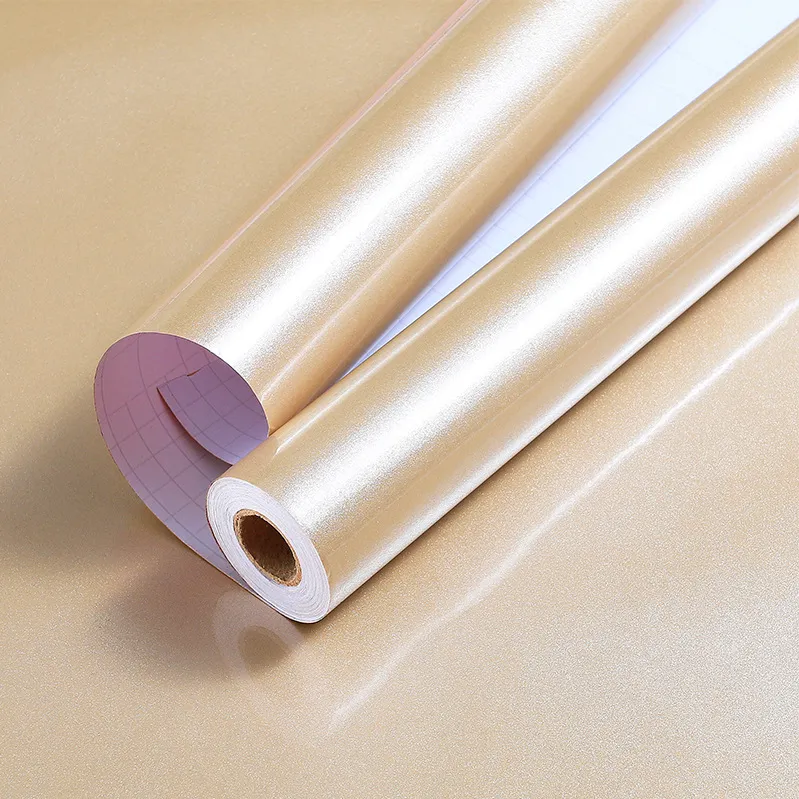
The global market for PVC technical film continues to expand, driven by its unmatched versatility across industries ranging from construction and furniture manufacturing to electronics and medical applications. With excellent mechanical properties, chemical resistance, and customizable aesthetics, these engineered films are redefining material performance standards worldwide.
PVC technical film refers to polyvinyl chloride-based sheeting engineered for specialized functional or decorative purposes. Unlike standard packaging films, technical grades often meet stringent requirements for ASTM PVC Film Standard compliance, ensuring consistent thickness, tensile strength, and thermal stability. These films are manufactured through precise calendering or extrusion processes, resulting in uniform gauge control and superior surface quality.
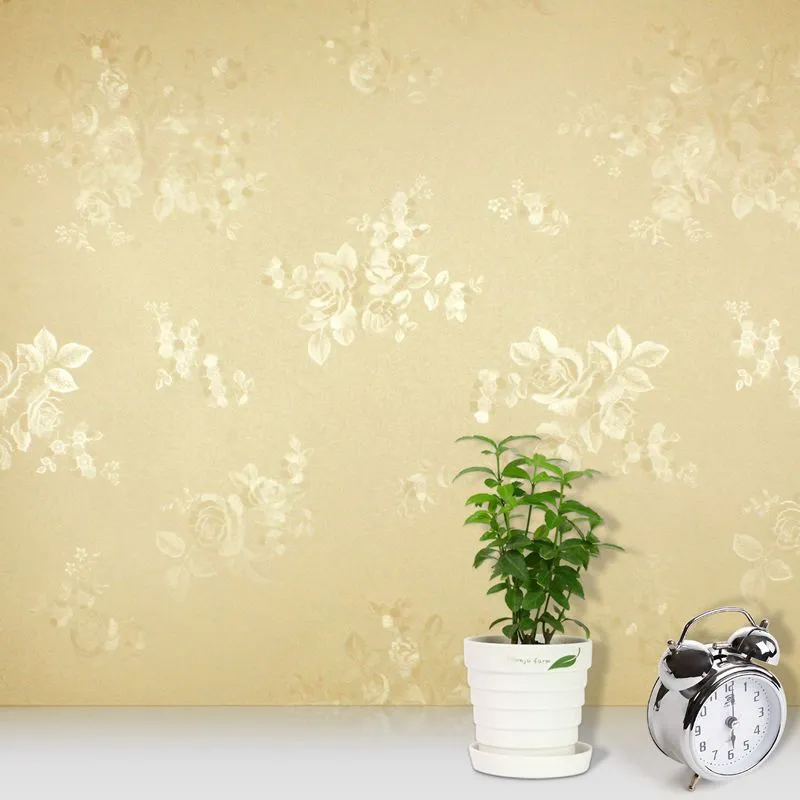
The adaptability of PVC technical film makes it indispensable in modern manufacturing. Below is a summary of primary application sectors and their specific film requirements.
| Industry | Typical Applications | Key Film Properties Required |
|---|---|---|
| Furniture Manufacturing | Surface lamination for cabinets, wardrobes, tabletops | Scratch resistance, wood grain texture fidelity, UV stability |
| Building & Construction | Wall panels, ceiling coverings, PVC skirting film | Dimensional stability, fire retardancy, moisture resistance |
| Electronics & Appliances | Panel overlays, protective masking, insulation layers | Anti-static properties, heat resistance, precise thickness control |
| Flooring Solutions | Vinyl floor coverings, protective wear layers | Abrasion resistance, slip resistance, compliance with PVC Flooring Standard |
| Medical & Cleanroom | Sterile packaging, antibacterial surfaces, containment barriers | Biocompatibility, chemical inertness, easy sterilization |
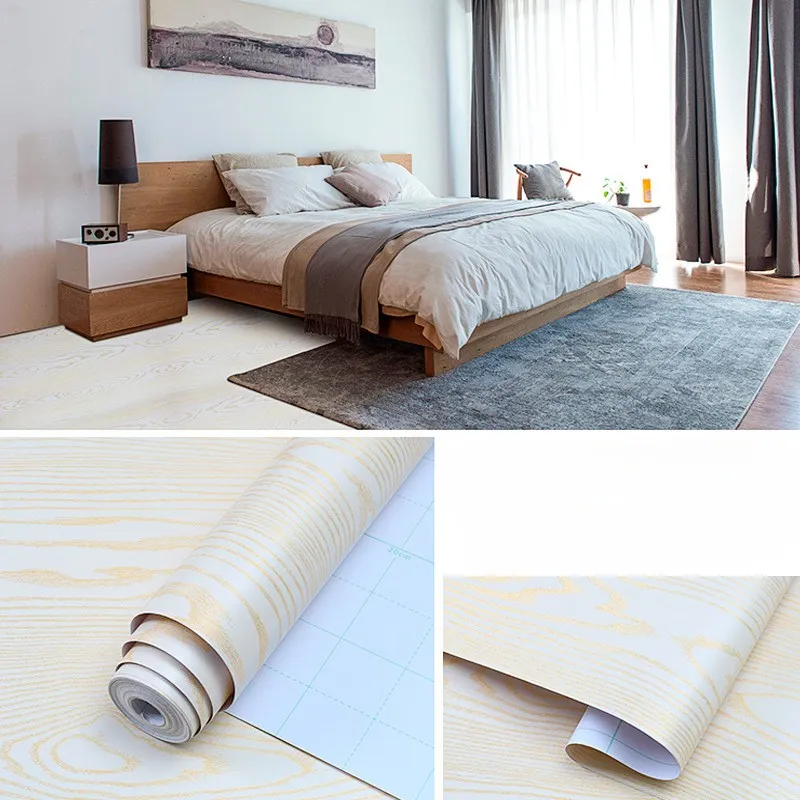
Choosing PVC technical film over alternative materials offers distinct advantages that directly impact product longevity and manufacturing efficiency.
Technical PVC films exhibit excellent tensile strength and tear resistance. When tested according to Plastic Film Tear Resistance protocols, high-quality films maintain structural integrity under significant mechanical stress. This durability ensures long service life in demanding environments.
Resistance to acids, alkalis, oils, and household chemicals makes these films suitable for applications like kitchen surfaces and industrial protective coverings. Advanced formulations withstand prolonged UV exposure without yellowing or embrittlement. Anti-fog and anti-static variants address niche requirements in specialized sectors.
Modern calendering technology enables an extensive palette of colors, patterns, and surface textures. From wood grain film finishes that replicate natural timber to high-gloss solid colors and metallic effects, designers gain virtually unlimited creative options. Embossed, matte, and soft-touch surfaces add tactile dimension to flat substrates.
Compared to natural materials like wood veneer, leather, or stone, PVC technical films deliver comparable aesthetics at a fraction of the cost. Easy lamination through heat or pressure-sensitive adhesives streamlines production workflows and reduces labor expenses.
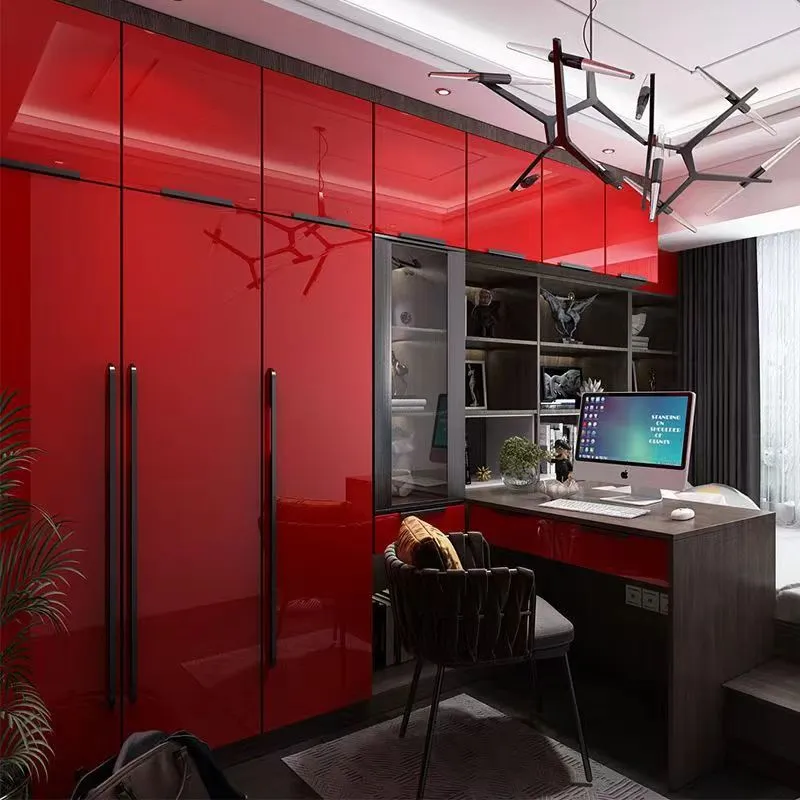
Selecting the appropriate film requires careful evaluation of application requirements, substrate compatibility, and environmental exposure conditions. Consider the following factors to make an informed decision.
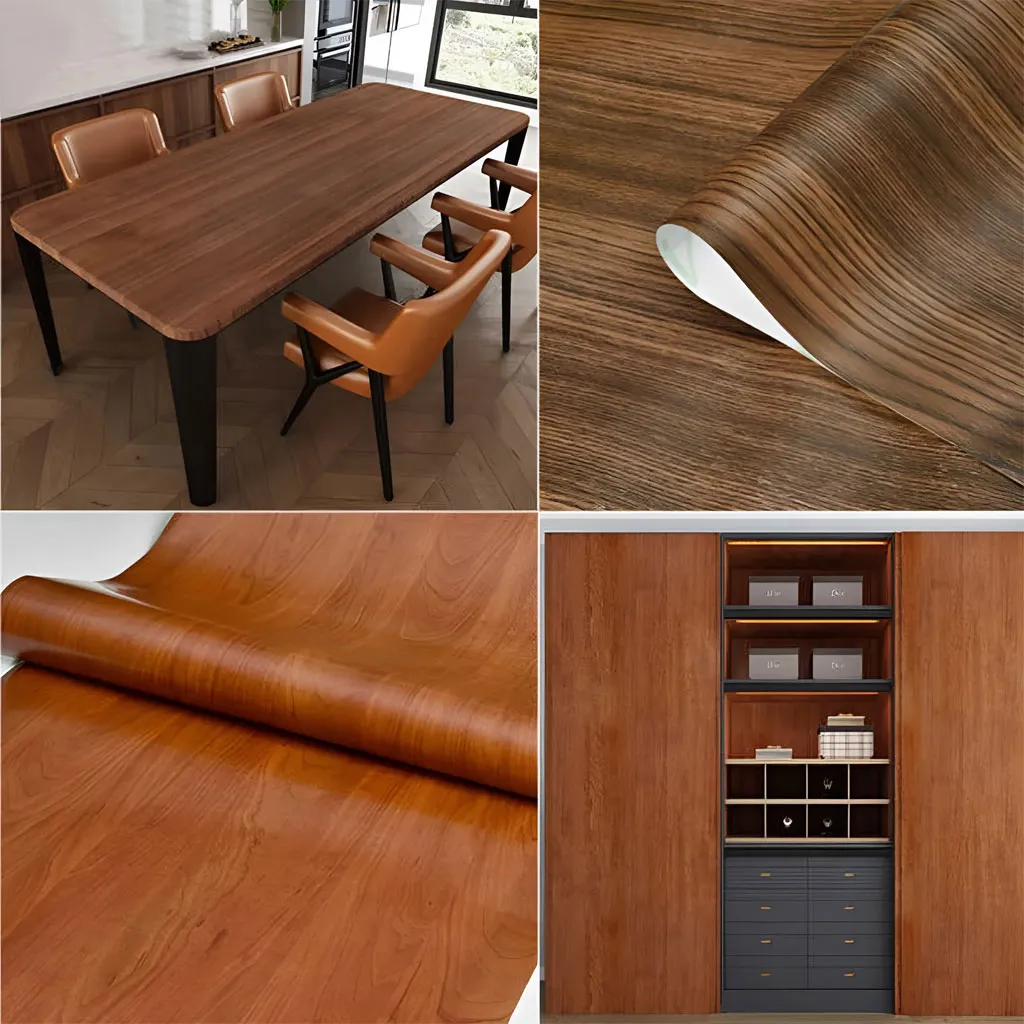
Proper application techniques maximize film performance and appearance. Cold lamination with environmentally friendly adhesives suits most indoor applications, while hot lamination using vacuum presses achieves superior adhesion on contoured surfaces. Surface preparation is critical — substrates must be clean, dry, and free from dust or grease. Post-application, avoid abrasive cleaners and harsh chemicals to preserve surface integrity.
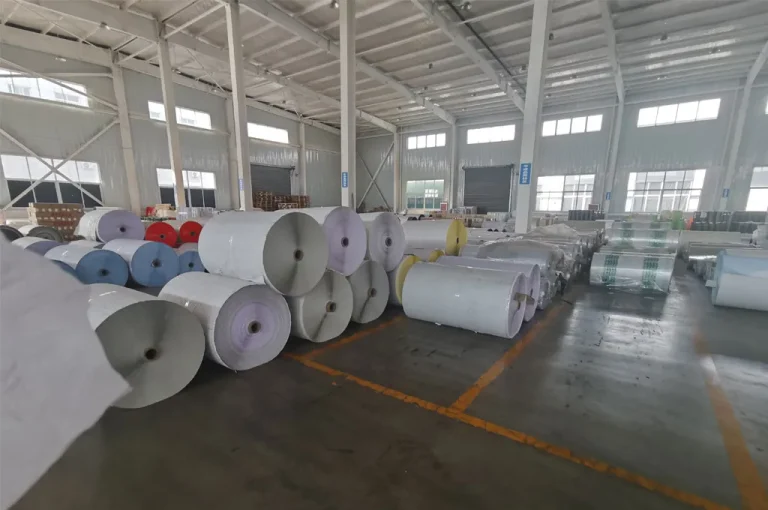
Reputable manufacturers implement rigorous quality control protocols throughout production. Automated optical inspection systems detect surface defects, while precision thickness gauges monitor gauge uniformity in real time. Physical property testing — including tensile strength, elongation, tear resistance, and thermal shrinkage — validates conformance to published specifications. Request certificates of analysis to verify batch-level performance data.
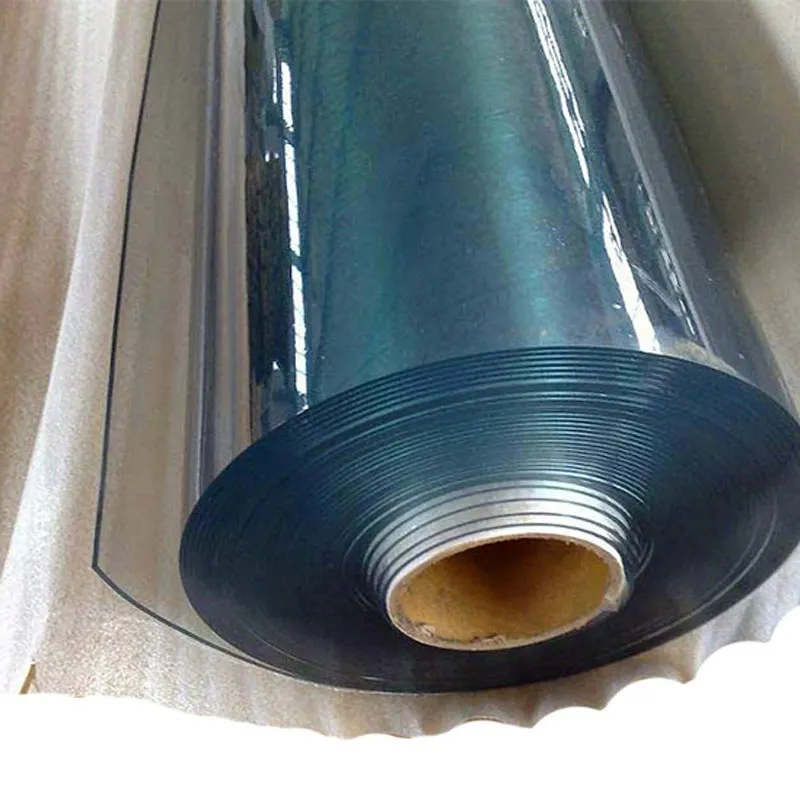
Modern PVC film manufacturing increasingly incorporates recycled content and bio-based plasticizers, reducing environmental footprint without compromising performance. Phthalate-free and heavy-metal-free formulations address regulatory requirements and consumer preferences. Closed-loop production systems minimize waste, and scrap film is typically reground and reprocessed, supporting PVC Circular Economy principles.
The industry continues to evolve with innovations in nano-coatings for enhanced scratch and stain resistance, antimicrobial surface treatments for healthcare environments, and digitally printed custom patterns that eliminate plate costs for short runs. Smart films with embedded sensors and responsive color-changing properties represent emerging frontiers for technical PVC applications.
Whether you are sourcing films for furniture lamination, wall decoration, floor film installations, or industrial protective layers, understanding material specifications and supplier capabilities ensures optimal project outcomes. Evaluate your requirements against the criteria outlined above, and prioritize suppliers with demonstrated technical expertise and reliable quality systems.