Address
304 North Cardinal St.
Dorchester Center, MA 02124
Work Hours
Monday to Friday: 7AM - 7PM
Weekend: 10AM - 5PM
Address
304 North Cardinal St.
Dorchester Center, MA 02124
Work Hours
Monday to Friday: 7AM - 7PM
Weekend: 10AM - 5PM


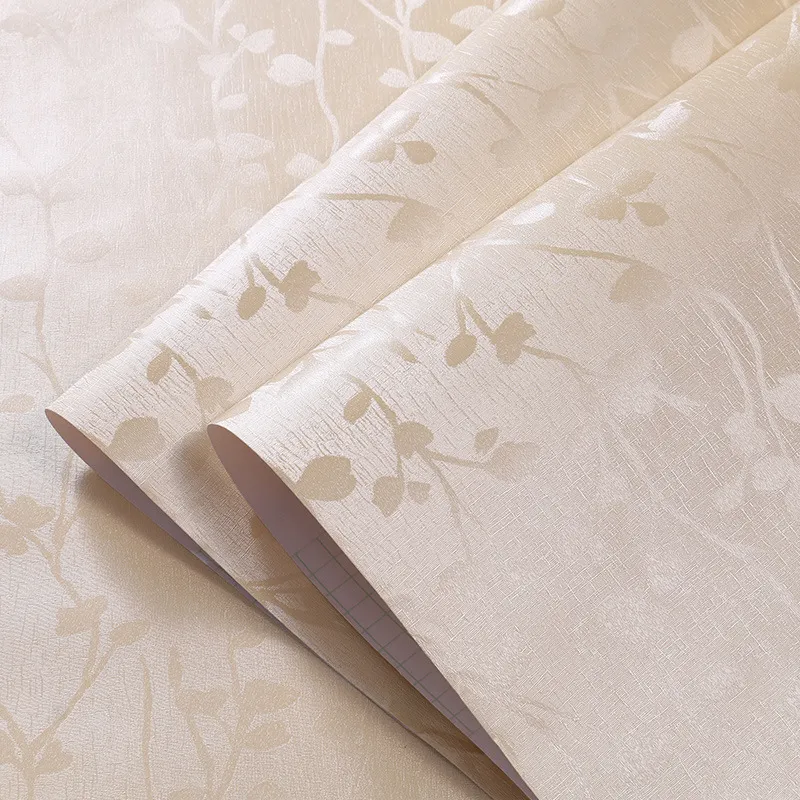
PVC vinyl film, a versatile and widely used material, is a thin sheet manufactured from polyvinyl chloride. Its adaptability stems from the ability to be formulated and processed into an extensive range of types, each serving distinct purposes across numerous industries. From enhancing the aesthetic appeal of furniture to providing durable protection in industrial settings, PVC film is a cornerstone material in modern manufacturing and design.
The diversity of PVC film is its greatest strength. Manufacturers like Pulivk Film produce a broad spectrum to meet varying demands. Broadly, films can be categorized by their production method, surface finish, and intended application.
Calendered Film: Produced by passing heated PVC compound through heavy rollers, this method creates films with excellent dimensional stability and consistency. It’s ideal for applications requiring uniform thickness and strength, such as flooring or large-format decorative panels. Explore our range of calendered films for robust solutions.
Cast Film: Made by spreading liquid PVC onto a moving belt, cast films are known for their exceptional clarity, high gloss, and soft texture. They are often used for high-quality packaging and protective layers.
Multilayer & Composite Films: These involve laminating PVC with other materials like fabrics (cloth-based film), foams, or other polymer layers. This combines properties, such as adding strength, insulation, or specific tactile qualities.
The surface treatment defines the visual and tactile character of the film, making it suitable for specific design contexts.
The application of PVC vinyl film is virtually limitless, driven by its durability, cost-effectiveness, and design flexibility.
This is one of the largest application areas. PVC films are laminated onto particleboard, MDF, or other substrates to create finished surfaces for kitchen cabinets, wardrobes, office furniture, and shelving. Films like glossy wardrobe film or matte cabinet films offer a seamless, easy-to-clean alternative to traditional paint or laminate.
PVC films revolutionize interior spaces. They are used for:
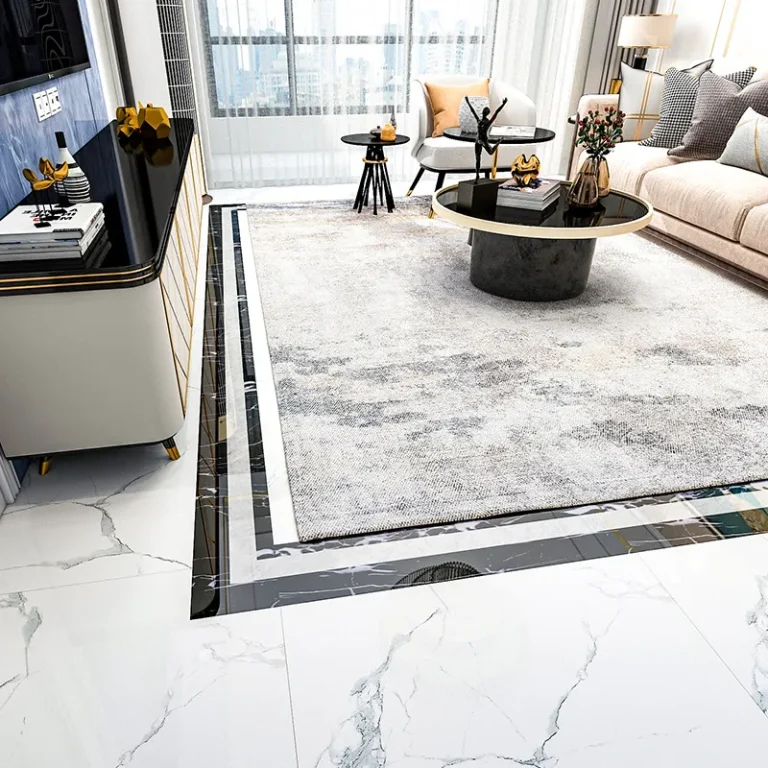
PVC films are integral to both flexible vinyl sheet flooring and luxury vinyl tiles (LVT). They form the wear layer and decorative layer, providing designs that mimic hardwood, marble, or stone with high abrasion resistance. Specialized floor films are engineered for high-traffic areas in homes, hospitals, and schools.
While standard products serve many needs, the true potential of PVC film is unlocked through customization. Leading providers offer comprehensive OEM/ODM services to tailor every aspect of the film to the client’s precise requirements.
Physical Specifications: Thickness (gauge), width, roll length, and core size can be adjusted to fit specific machinery or application needs.
Aesthetic Design: This is the core of customization. Companies can match any Pantone color, replicate specific wood grains, stone veins, or abstract patterns from provided samples or digital files. Unique textures, like a custom 3D emboss, can also be developed.
Functional Properties: Additives can be incorporated to achieve:
➤ Anti-static for electronics handling.
➤ UV resistance for outdoor use.
➤ Enhanced flame retardancy for public transport or buildings.
➤ Food-grade compliance for packaging applications.
➤ Anti-bacterial properties for healthcare environments.
Adhesive & Backing: Films can be supplied with permanent, removable, or high-tack pressure-sensitive adhesives (PSA). Different liner papers can be specified for easy application.
Packaging: Custom labeling, roll packaging (shrink wrap, cardboard boxes), and palletization ensure products arrive safely and are ready for your production line.
Engaging with a manufacturer for custom solutions typically follows a structured path:
Selecting a supplier goes beyond product catalogs. Key considerations include:
For more insights into material properties and applications, visit our knowledge base.
Calendered film is generally stronger, more dimensionally stable, and cost-effective for thicker gauges, making it ideal for flooring and rigid panels. Cast film offers superior clarity, a softer feel, and excellent forming capabilities, making it preferred for high-gloss finishes and complex wraps.
Yes, but it requires specific formulation. Standard PVC films may degrade under prolonged UV exposure. For outdoor use, films must be specially engineered with UV stabilizers and weather-resistant additives to prevent fading, cracking, or loss of adhesion.
Thickness choice depends on the substrate, application method, and required durability. For example, furniture laminates often use 0.15mm to 0.3mm films, while heavy-duty flooring may use 0.5mm or more. Your film supplier can provide specific recommendations based on your use case.
The industry has made significant strides. Many manufacturers now offer phthalate-free, heavy-metal-free, and recyclable PVC compounds. It’s important to inquire about a supplier’s specific environmental policies, material certifications, and any take-back or recycling programs they support.
Lead time varies based on complexity. Simple color matches might take 2-3 weeks for sampling and 4-6 weeks for production. Developing a全新的 texture or functional coating could extend to 8-12 weeks. Reputable suppliers provide clear timelines after reviewing project specifications.
For more detailed answers, please refer to our comprehensive FAQ page.