Address
304 North Cardinal St.
Dorchester Center, MA 02124
Work Hours
Monday to Friday: 7AM - 7PM
Weekend: 10AM - 5PM
Address
304 North Cardinal St.
Dorchester Center, MA 02124
Work Hours
Monday to Friday: 7AM - 7PM
Weekend: 10AM - 5PM


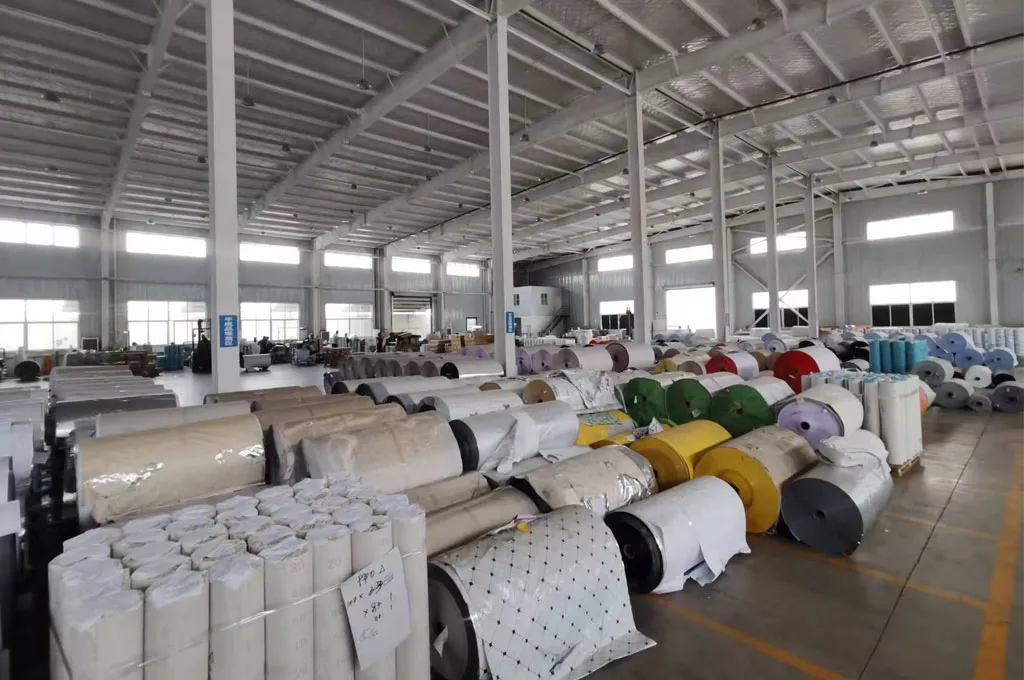
In the world of flexible packaging and decorative materials, two polymers dominate the conversation: Polyvinyl Chloride (PVC) and Polyethylene (PE). While both are plastics widely used in film form, their properties, manufacturing processes, and ideal applications differ significantly. Understanding these differences is crucial for designers, manufacturers, and procurement specialists to select the right material for their project, ensuring performance, cost-effectiveness, and sustainability.
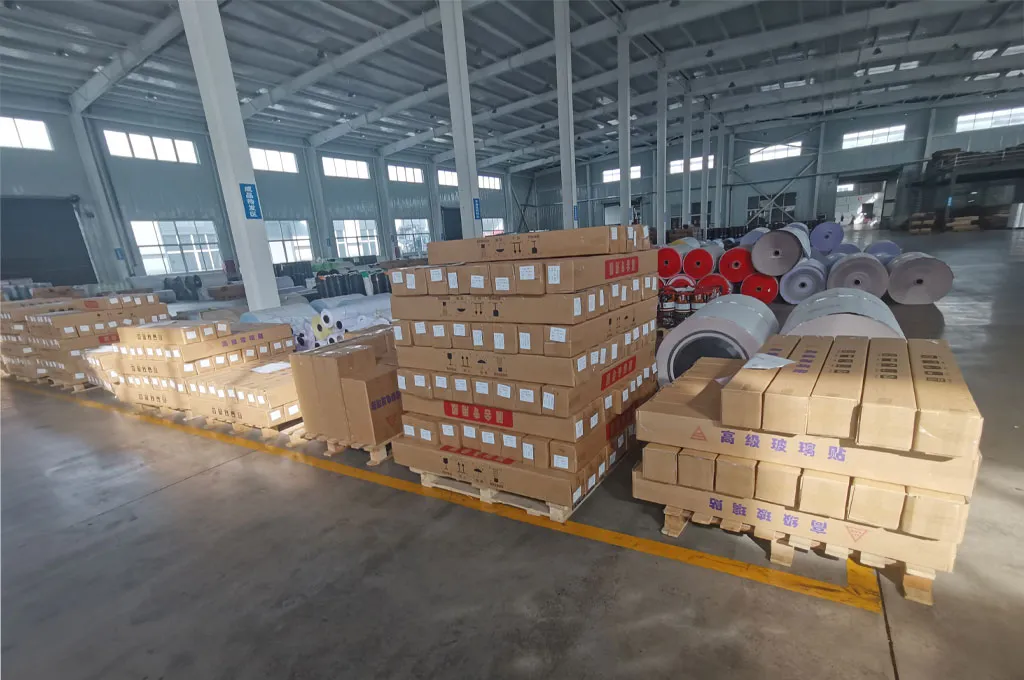
The journey of PVC and PE films begins with their core chemistry. PVC (Polyvinyl Chloride) is a synthetic polymer made from vinyl chloride monomers. Its structure allows for a high degree of modification through additives like plasticizers, stabilizers, and pigments. This makes PVC incredibly versatile, ranging from rigid, unplasticized forms (uPVC) to soft, flexible films. The production of PVC film often involves a calendering process, where the molten compound is passed through a series of heated rollers to achieve precise thickness and surface finish.
Key Point: PVC’s adaptability comes from additives. Plasticizers, for instance, determine its flexibility, allowing it to mimic materials like leather or create soft-touch surfaces for consumer electronics.
On the other hand, PE (Polyethylene) is a simpler polymer, a long chain of ethylene monomers. It is categorized by its density: Low-Density PE (LDPE), Linear Low-Density PE (LLDPE), and High-Density PE (HDPE). PE films are primarily produced through blown or cast extrusion processes, creating a more homogeneous and chemically resistant material. PE is inherently flexible without the need for plasticizers, which is a critical distinction from PVC.
Choosing between PVC and PE hinges on their physical and chemical properties. Below is a breakdown of their key characteristics:
PVC: Offers excellent clarity and can be produced in crystal-clear forms. Its superior printability and ability to hold intricate textures, embossing, and metallic finishes make it the preferred choice for high-end decorative applications, advertising graphics, and product labeling.
PE: Generally has a more milky or hazy appearance, especially LDPE. While it can be printed on, the surface is less receptive to fine detail compared to PVC, making it better suited for functional rather than decorative purposes.
PVC: Provides a good barrier to gases, oils, and odors, which is why it’s used in food packaging for items like fresh meat and produce. Specific formulations can enhance these properties further.
PE: HDPE offers excellent moisture barrier properties but is generally more permeable to gases. LDPE has poor barrier properties against both gases and moisture, making it ideal for applications where breathability is needed.
PVC: Resistant to oils, acids, and alkalis. However, certain plasticizers can migrate or be extracted by solvents. Modern formulations focus on using non-phthalate, environmentally friendly plasticizers to address these concerns.
PE: Highly resistant to most chemicals and solvents. It is inert and does not leach plasticizers, making it a safe choice for food contact and medical packaging. PE is also more resistant to environmental stress cracking.
PVC: Known for its toughness, abrasion resistance, and dimensional stability. It maintains its shape and color well over time, which is critical for long-term applications like flooring films or furniture laminates.
PE: Offers high tensile strength and impact resistance, especially LLDPE and HDPE. It is very flexible and has excellent “tear resistance,” but can be prone to stretching under load.
The distinct properties of PVC and PE films naturally lead them to different market segments.
PVC film’s versatility makes it a star in decorative and protective roles:
PE film is the workhorse of protective and containment packaging:
Selecting the right film is a multi-factorial decision. Follow this framework to guide your choice:
Is the need primarily decorative/aesthetic or functional/protective?
Will the film be exposed to UV light, extreme temperatures, chemicals, or outdoor weather?
Are there specific food contact, medical, or environmental regulations (REACH, RoHS, FDA)? What are the end-of-life considerations?
While raw material costs fluctuate, PE is generally less expensive per kilogram. However, PVC often offers more features per unit area (print, texture, barrier). Calculate the total cost-in-use, not just the material cost.
For complex projects, consulting with a technical specialist from a manufacturer like Pulivk Film is invaluable. They can provide samples, such as specific decorative films or specialized laminates, for real-world testing.
This is complex. PE has a simpler recycling pathway in many regions. Modern PVC can also be recycled, and its durability can lead to longer product life (e.g., in construction), offsetting initial impact. The “greenness” depends on the specific formulation, application lifespan, and local waste management infrastructure. Always request environmental product declarations from suppliers.
While PE can be printed and colored, it typically cannot match the high-definition print quality, deep embossing, and rich aesthetic effects (like metallic or pearlized finishes) achievable with PVC film. PVC remains the superior choice for demanding decorative and visual applications.
Both can be formulated for outdoor durability. UV-stabilized PVC is excellent for long-term outdoor signage and wraps due to its colorfastness and resistance to weathering. Certain PE films (like greenhouse film) are also engineered for prolonged UV exposure. The choice depends on the specific durability requirements—abrasion resistance (PVC) vs. tensile/tear strength (PE).
Historically, concerns centered on lead stabilizers and phthalate plasticizers. Reputable manufacturers now use calcium-zinc stabilizers and non-phthalate, FDA/REACH-compliant plasticizers for sensitive applications. Always verify the compliance certificates for your intended use, especially for toys, food contact, or medical devices.
For rigid, form-fitting, and clear packaging (blister packs), PVC is often chosen. For flexible, stretchable, moisture-resistant wrapping (pallet stretch wrap, bag liners), PE is the default. Consider the product’s needs: clarity and rigidity (PVC) vs. flexibility and moisture barrier (PE).