Address
304 North Cardinal St.
Dorchester Center, MA 02124
Work Hours
Monday to Friday: 7AM - 7PM
Weekend: 10AM - 5PM
Address
304 North Cardinal St.
Dorchester Center, MA 02124
Work Hours
Monday to Friday: 7AM - 7PM
Weekend: 10AM - 5PM


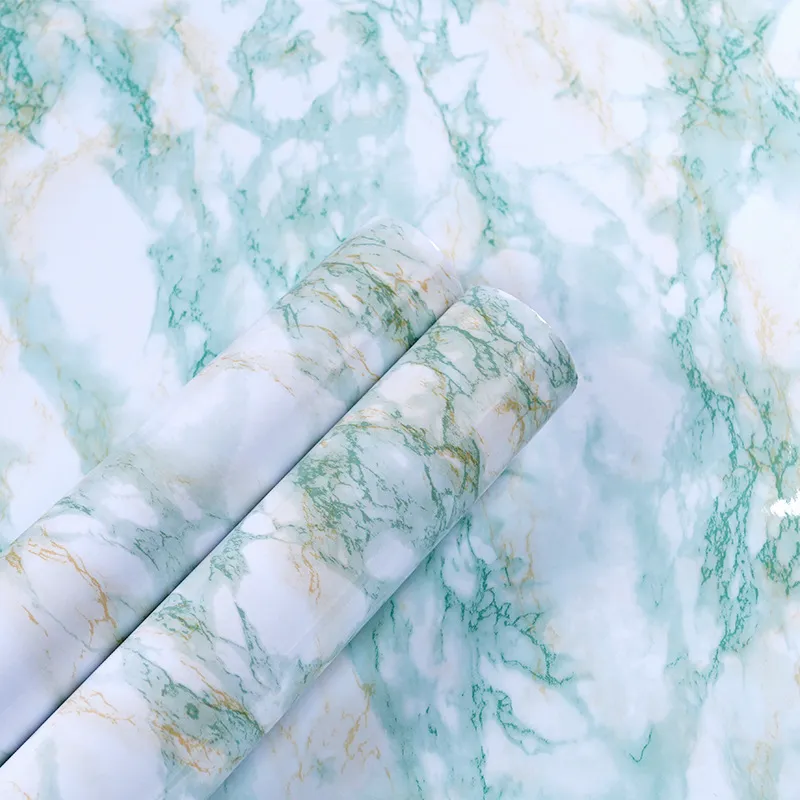
Outdoor PVC weatherproof film is a cost-effective way to protect surfaces and add decorative finishes, but how long does PVC film last when exposed to sun, rain, wind and pollution? This guide breaks down real-world lifespan ranges, the main factors that accelerate degradation, practical maintenance tips, and how to choose a film that meets your outdoor durability needs.
PVC weatherproof film is a thin polymer layer designed for exterior applications — cladding, signage, vehicle wraps, protective overlays and architectural accents. These films are often calendered or cast PVC, sometimes formulated with UV stabilizers, anti-fade inks, or protective clearcoats to withstand outdoor conditions.
Weather resistance, UV stability, adhesive longevity, flexibility across temperature swings, and surface hardness determine an outdoor film’s usable life. Films with added UV absorbers or high-quality overlaminate coatings perform noticeably better over years of outdoor exposure.
Understanding these variables helps set realistic expectations and choose the right product for your climate and use-case.
UV radiation is the chief cause of PVC fading, chalking and embrittlement. Direct, continuous sun (south-facing façades) shortens film life compared with shaded locations.
Frequent heating and cooling cycles cause expansion and contraction, stressing film edges and bonds. Very high temperatures can accelerate plasticizer migration and softening.
Persistent moisture, salt air (coastal areas), and freeze-thaw cycles can degrade adhesives and promote delamination or lifting at seams.
Industrial pollutants, acid rain, and cleaning agents with solvents will damage some films or erode protective coatings.
Abrasions from wind-blown particles, human contact, or vehicle movement reduce clarity and performance over time.
| Film Type / Finish | Expected Outdoor Life | Notes / Conditions |
|---|---|---|
| Standard PVC (no UV additives) | 1–3 years | Best for temporary covers and short-term signage |
| UV-stabilized PVC film | 3–7 years | Good for medium-term exterior cladding and wraps |
| PVC with clear overlaminate | 5–10 years | Best resistance to abrasion and UV — often used for vehicle and architectural film |
| Special weatherproof (marine/coastal-grade) | 7–12+ years | Formulated for extreme UV/salt/chemical exposure; premium option |
Small upgrades in product selection and installation lead to major gains in longevity.
UV absorbers, HALS (hindered amine light stabilizers) and weather-rated adhesives reduce fading and edge lift. For long-term exterior use, specify films with these additives.
A clear overlaminate shields printed layers from abrasion and UV — it can add several years to life expectancy and preserve gloss/texture.
Thorough cleaning, priming porous substrates, and using mechanical edge-seals or trim profiles prevents moisture ingress and peeling. Professional installation often outperforms DIY for long-term projects.
Locate films away from direct, prolonged sun if possible, add overhangs, and avoid edges that catch wind. Placement can be as important as product choice.
Routine care helps detect issues early and prolongs film life.
Look for fading/chalking, stiffening or cracking, persistent edge lift, discolored printing, or loss of gloss. When these appear across a large surface area, replacement is the safest option to restore protection and aesthetics.
Match expected exposure and budget to the film specification:
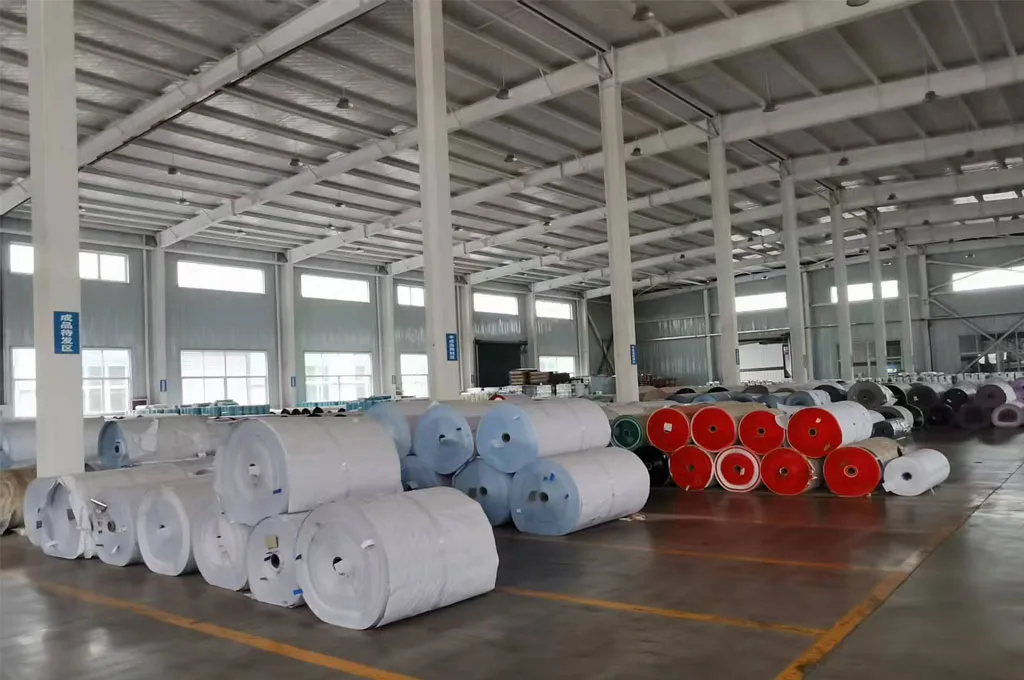
For reliable quality control and custom options, consider suppliers with full in-house production capabilities and export experience — Pulivk (https://pvcfilmtec.com/) manufactures calendered, printed and split-packaged PVC films with strict QC and flexible OEM support.
Q: How long will a vehicle wrap last outdoors?
A: High-quality cast PVC with overlaminate typically lasts 5–7 years; premium marine-grade wraps can exceed 7 years with care.
Q: Can I extend life by replacing only damaged panels?
A: Yes — targeted repairs often restore function and appearance without full replacement, provided matched materials and adhesives are used.
When in doubt, prioritize films explicitly rated for exterior use and request real-world durability data or test samples under your local climate conditions — small up-front costs for better film and installation usually save money over the lifetime of the application.