Address
304 North Cardinal St.
Dorchester Center, MA 02124
Work Hours
Monday to Friday: 7AM - 7PM
Weekend: 10AM - 5PM
Address
304 North Cardinal St.
Dorchester Center, MA 02124
Work Hours
Monday to Friday: 7AM - 7PM
Weekend: 10AM - 5PM


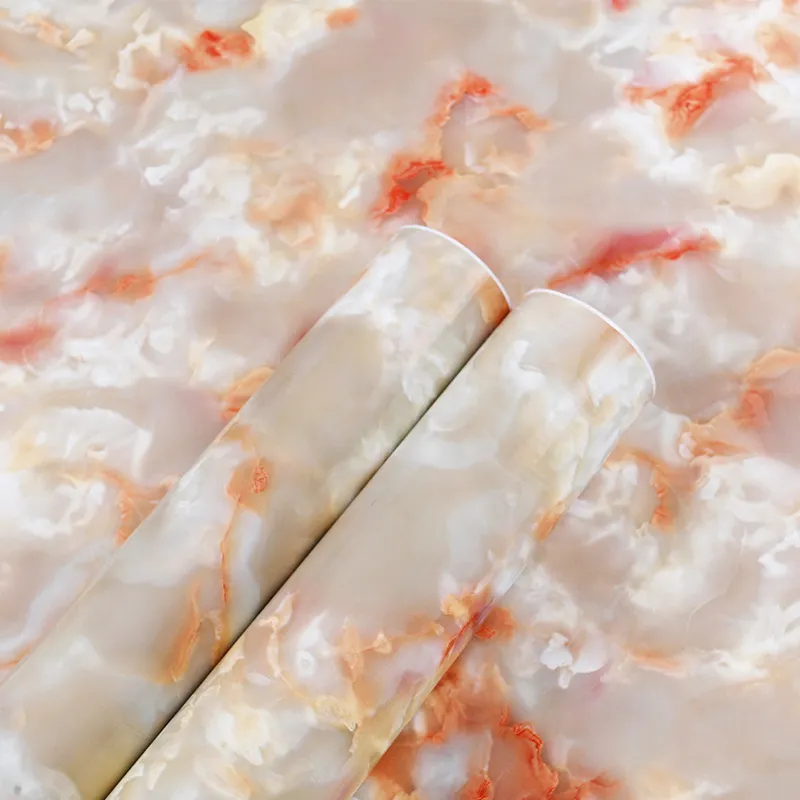
In the world of modern design and manufacturing, the quest for materials that offer both aesthetic appeal and practical functionality is never-ending. Among these, PVC Wood Grain Film has emerged as a standout solution, seamlessly blending the timeless beauty of natural wood with the superior durability and versatility of advanced polymers. This innovative material is revolutionizing surfaces across industries, offering a cost-effective and sustainable alternative to solid wood without compromising on visual warmth or texture.
The popularity of PVC Wood Grain Film is built on a foundation of compelling advantages that address the core needs of designers, manufacturers, and end-users alike.
Unlike natural wood, which is susceptible to warping, cracking, and moisture damage, PVC film provides exceptional resistance. It is waterproof, scratch-resistant, and immune to termites or rot. This makes it an ideal choice for high-traffic areas, humid environments like kitchens and bathrooms, and outdoor-adjacent applications where real wood would deteriorate.
One of the most significant benefits is the dramatic reduction in material and installation costs compared to solid wood or high-end veneers. The film itself is more affordable, and its application process—often involving lamination onto substrates like MDF or particle board—is faster and requires less skilled labor, leading to overall project savings. For projects like vinyl kitchen flooring or cabinet refacing, it offers a premium look on a practical budget.
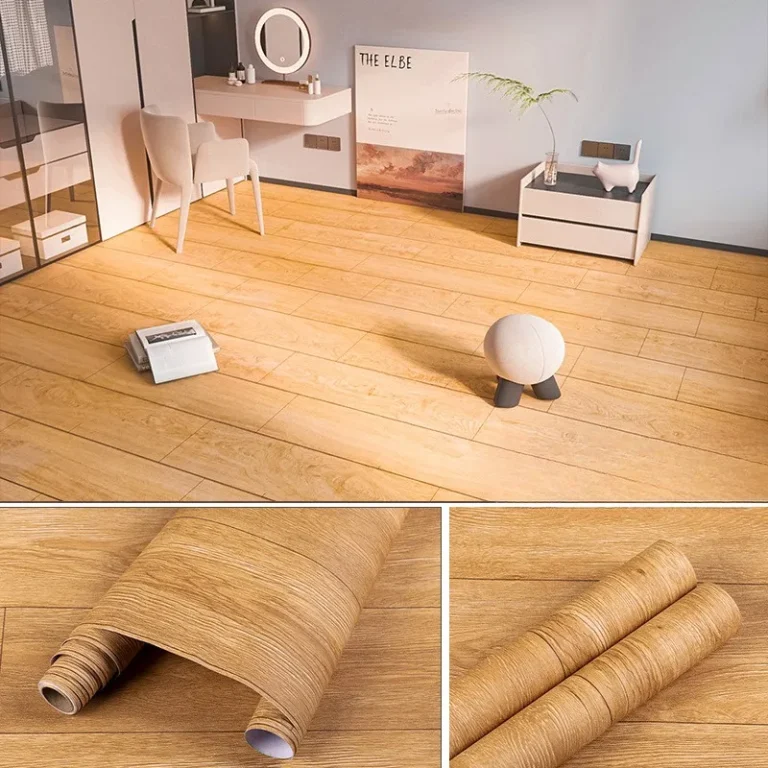
The technology behind printing and embossing PVC films allows for an astonishing range of wood grain reproductions. From classic oak and rich walnut to exotic teak and rustic reclaimed barnwood, the fidelity to nature is impeccable. This versatility extends beyond color and grain; textures can be embossed to feel like real wood, and finishes can vary from matte to satin to high-gloss, as seen in options like glossy wardrobe film.
PVC Wood Grain Film surfaces are incredibly easy to clean and maintain. A simple wipe with a damp cloth is usually sufficient to remove dust, stains, or spills. There is no need for periodic sanding, sealing, or varnishing, which are mandatory and costly upkeep routines for natural wood. This low-maintenance characteristic is a major driver for its use in commercial spaces and busy households.
Modern PVC films, especially from responsible manufacturers, are formulated to be environmentally conscious. Many are produced using eco-friendly, non-toxic inks and are free from heavy metals and phthalates. They often comply with international safety standards like REACH and RoHS. Furthermore, by using the film as a veneer over engineered wood substrates, it promotes the efficient use of forest resources, making it a more sustainable choice than relying solely on solid timber.
The utility of PVC Wood Grain Film spans a vast spectrum, transforming surfaces in both residential and commercial settings.
This is one of the primary applications. The film is laminated onto panels for kitchen cabinets, wardrobes, TV units, bookshelves, and office furniture. It provides a consistent, flawless finish that is difficult to achieve with natural wood veneers across large production runs. It allows furniture makers to offer a wide variety of styles without maintaining massive inventories of different wood types.
Architects and interior designers utilize it for wall paneling, door skins, window frames, and decorative column covers. It can unify the aesthetic of a space by matching millwork with furniture. For specific applications like PVC skirting film, it offers a perfect, durable finish for baseboards that seamlessly integrates with wooden floors or wall panels.
In shops, restaurants, hotels, and offices, PVC Wood Grain Film is used for feature walls, reception desks, display counters, and partition screens. Its durability ensures it can withstand the wear and tear of public spaces while maintaining its elegant appearance for years, making it a cost-effective solution for brand-conscious businesses.
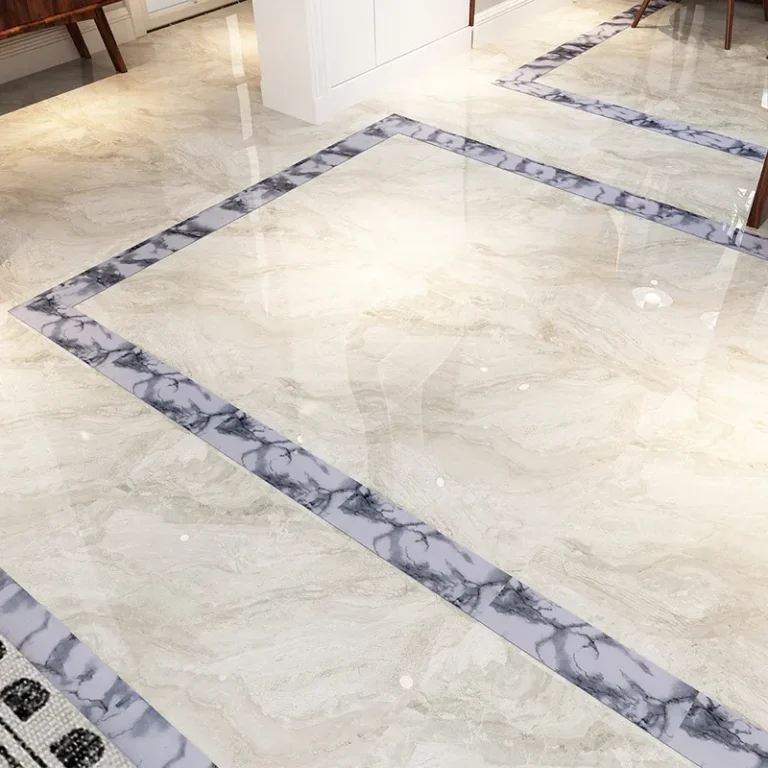
The application of this technology isn’t limited to mimicking wood. The same calendered film production process can create a universe of textures. For instance, 3D silk texture film offers a luxurious tactile surface, while marble film provides the grandeur of stone without the weight or cost. This highlights the foundational versatility of PVC film as a material platform.
In the automotive, marine, and aviation industries, wood grain films are used for interior trim on dashboards, door panels, and consoles, reducing weight compared to real wood. In electronics, it can be found as an aesthetic finish on speakers, audio equipment, and home appliances.
The true power of PVC Wood Grain Film is unlocked through customization. Leading producers understand that off-the-shelf solutions don’t always fit unique project visions or technical specifications.
OEM/ODM services allow for deep customization. Clients can provide specific wood samples, color palettes (Pantone codes), or digital artwork to be matched precisely. Grain patterns can be adjusted for scale and direction. This is perfect for brands wanting a unique, proprietary look for their product lines or for large projects requiring a specific, consistent aesthetic across all elements.
Customization goes beyond looks. Key technical parameters can be tailored:
• Thickness & Width: Films can be produced in various gauges and roll widths to suit different laminating equipment and end-use strength requirements.
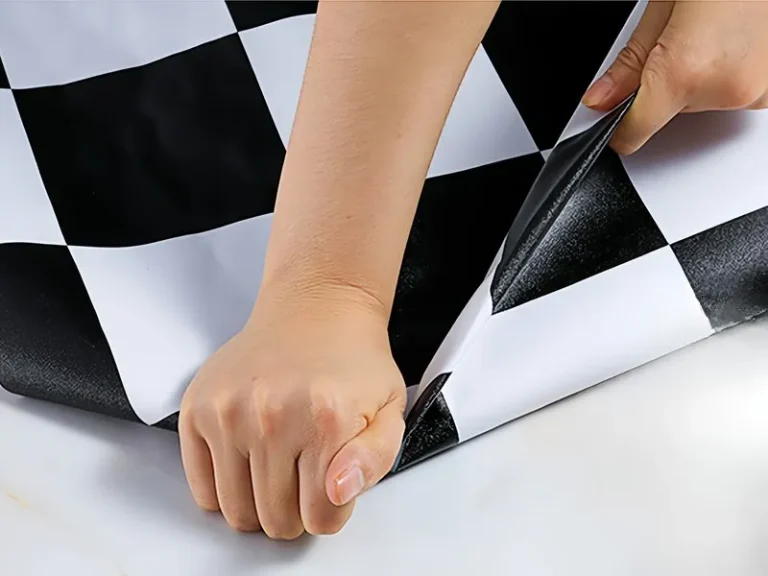
• Adhesive Systems: Options include heat-activated, pressure-sensitive (self-adhesive), or solvent-based adhesives for bonding to different substrates.
• Surface Treatments: Films can be engineered with additional properties like anti-fog, anti-static, UV resistance for outdoor use, or enhanced abrasion resistance for flooring applications like specialized floor film.
A full-service manufacturer controls the entire process—from calendering and printing to embossing and slitting. This vertical integration, as practiced by firms with comprehensive product capabilities, ensures quality consistency, allows for tighter production scheduling, and enables flexible packaging (e.g., specific roll lengths, protective wrapping) to meet exact shipping and handling needs.
When seeking custom solutions, partner with a manufacturer that demonstrates proven OEM/ODM experience, robust R&D support, and transparent communication. The ability to produce small pilot runs for testing before full-scale production is crucial. A partner with global export experience will also be adept at handling documentation, certifications, and logistics for international shipments, ensuring a smooth process from concept to delivery.
PVC film is generally more durable, water-resistant, and cost-effective than real wood veneer. It offers greater consistency in color and pattern across batches and requires virtually no maintenance. However, for purists seeking the unique, natural variations and feel of genuine wood, veneer retains prestige. PVC film is the superior choice for high-moisture areas, budgets, and projects requiring uniformity.
Standard interior-grade film is not recommended for full outdoor exposure. However, specially formulated exterior-grade PVC films with enhanced UV stabilizers and weather-resistant coatings are available. For any exterior project, it is essential to specify this requirement to your supplier to ensure the film’s longevity and colorfastness.
It can be successfully laminated onto a variety of smooth, stable substrates. The most common are Medium-Density Fibreboard (MDF), particle board, and plywood. It can also be applied to metals, plastics, and existing finished surfaces (for refurbishment) using the appropriate adhesive system. The substrate must be clean, dry, and flat for optimal results.
Yes, reputable manufacturers almost always provide samples. This allows you to evaluate the color accuracy, texture, thickness, and adhesion performance on your specific substrate. It’s a critical step in the custom design process and for quality assurance.
Important quality parameters include: consistent thickness across the roll, color matching and print clarity, adhesion strength (peel test), surface finish integrity (no scratches or impurities), and dimensional stability (resistance to shrinking or stretching). Certifications for safety and environmental standards are also key indicators of quality.