Address
304 North Cardinal St.
Dorchester Center, MA 02124
Work Hours
Monday to Friday: 7AM - 7PM
Weekend: 10AM - 5PM
Address
304 North Cardinal St.
Dorchester Center, MA 02124
Work Hours
Monday to Friday: 7AM - 7PM
Weekend: 10AM - 5PM


In the dynamic world of modern manufacturing and interior design, PVCoated PVC Film has emerged as a cornerstone material, offering a unique blend of versatility, durability, and aesthetic appeal. This specialized film involves applying a protective or functional polyvinyl chloride (PVC) coating to a substrate, enhancing its properties for a vast array of applications. From revitalizing furniture surfaces to providing durable protection in demanding industrial environments, PVCoated PVC Film is a solution that bridges the gap between form and function.
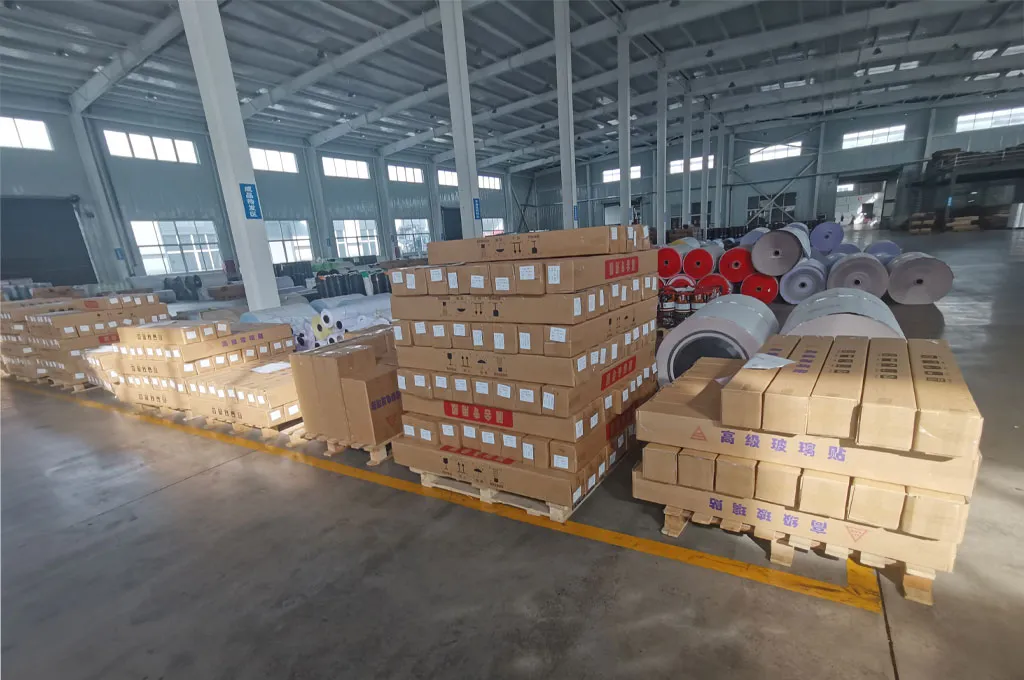
At its core, PVCoated PVC Film is a composite material. It typically starts with a base film—which could be PVC itself or another material like polyester—that is then coated with a layer of specially formulated PVC. This coating process is what imparts the film’s defining characteristics. The coating can be engineered to provide specific surface finishes, such as high-gloss, soft-touch matte, or textured effects, and can include additives for enhanced functionality like UV resistance, anti-bacterial properties, or improved weatherability.
Key Takeaway: The “PVCoated” aspect is transformative. It’s not just a simple film; it’s a engineered surface solution where the coating tailors the material’s performance to meet precise application demands, offering far greater customization than standard films.
The adoption of PVCoated PVC Film is driven by a compelling set of benefits that address both practical and aesthetic needs across industries.
The PVC coating acts as a robust shield. It significantly increases the material’s resistance to scratches, abrasions, chemicals, and moisture. This makes it ideal for high-traffic areas or surfaces exposed to harsh conditions. For instance, in furniture applications, it protects against daily wear and tear, while in industrial settings, it safeguards equipment from corrosive substances.
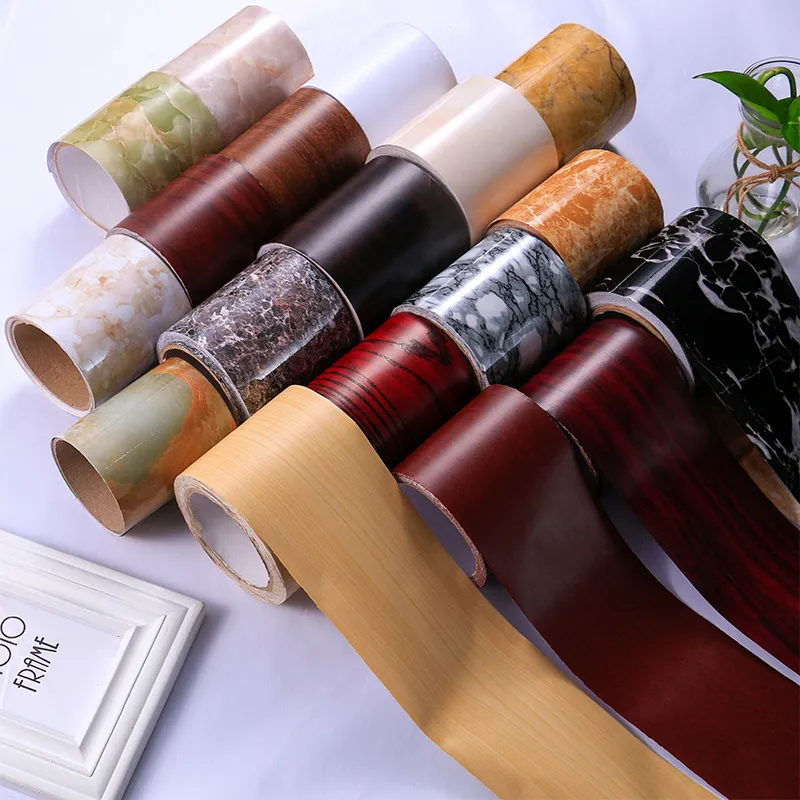
This is where creativity meets technology. The coating process allows for an almost limitless range of visual effects. Manufacturers can achieve deep, realistic wood grains, elegant marble veining, sleek metallic finishes, or vibrant solid colors. Films like the Wood Grain Film or Marble Film are perfect examples, offering the luxury of natural materials without the associated cost and maintenance.
Beyond looks, the coating can be functional. It can be formulated to be anti-static for electronics packaging, food-safe for contact surfaces, or have anti-fog properties. Specialized films, such as those with enhanced grip or sound-dampening qualities, extend the material’s utility into new domains.
PVCoated films often provide a more economical alternative to solid materials like wood, stone, or metal. They are lightweight, reducing shipping costs, and can be applied efficiently over existing surfaces, minimizing waste from renovations. Furthermore, advancements in production, like the efficient processes behind Calendered Film, contribute to a lower overall environmental footprint compared to resource-intensive alternatives.
The true power of PVCoated PVC Film lies in its wide-ranging applicability. It seamlessly integrates into numerous sectors, providing tailored solutions.
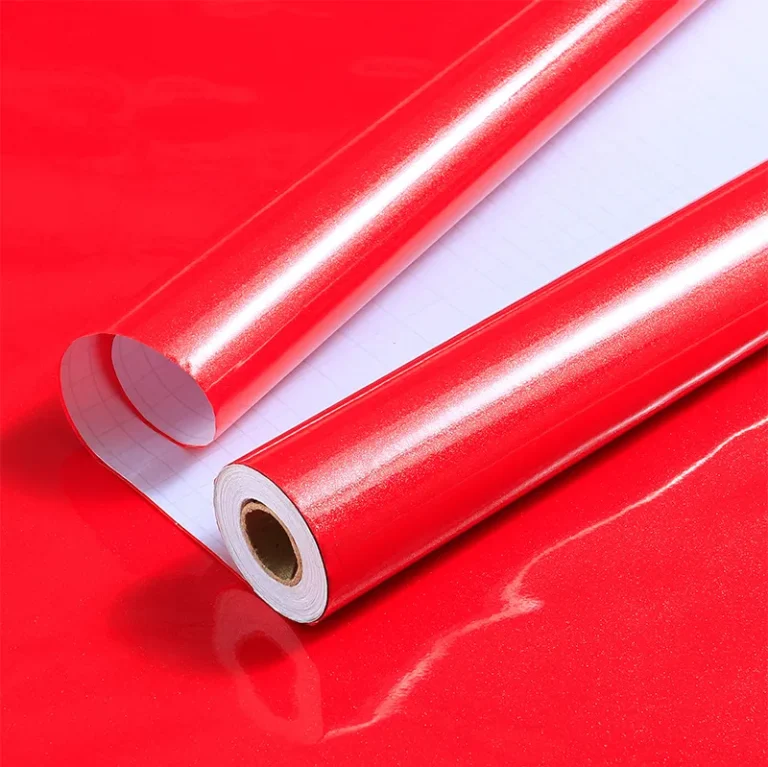
This is a primary market. The film is laminated onto particleboard or MDF to create doors, panels, and furniture components. It offers a flawless, durable finish that resists fading, staining, and impact. A Glossy Wardrobe Film can create a modern, reflective look, while textured options provide a tactile, premium feel.
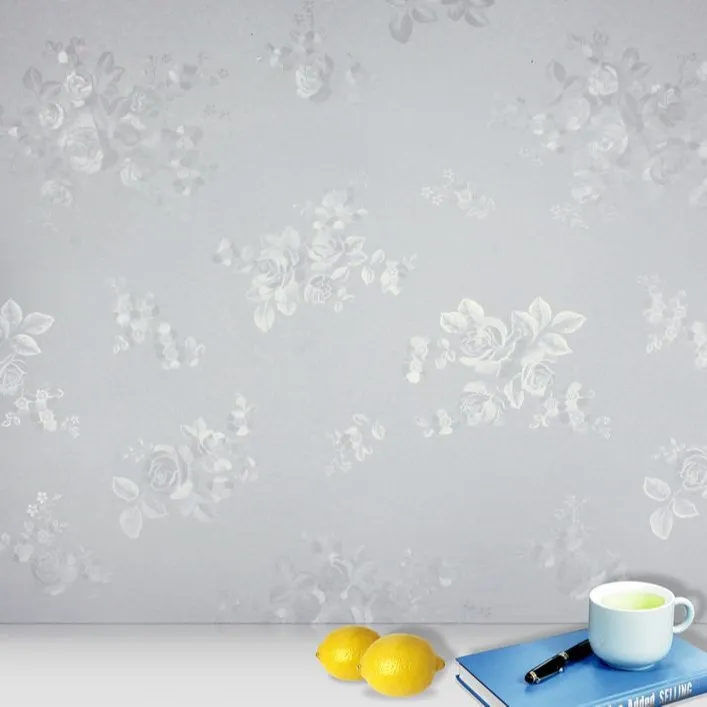
Architects and designers use these films for feature walls, ceiling panels, column wraps, and retail displays. They allow for rapid, dramatic transformations without structural changes. The film can mimic expensive materials, enabling bold design statements on a budget. Products like Solid Color Wallpaper offer a clean, contemporary aesthetic for modern spaces.
In both residential and commercial spaces, PVCoated PVC films are used in luxury vinyl flooring and protective floor layers. They provide waterproof, scratch-resistant surfaces that are easy to clean and maintain. Explore options such as Floor Film for durable surface solutions.
Within vehicles, these films are used for interior trim, dashboard components, and decorative accents. The coating ensures the material can withstand temperature fluctuations, UV exposure, and constant use while maintaining its appearance.
From appliance exteriors to the protective packaging of sensitive devices, the film’s protective and aesthetic qualities are invaluable. It can provide a soft-touch feel on tool handles or a high-tech look on gadget casings.
Off-the-shelf products meet many needs, but the most significant value often comes from customization. Leading producers understand that each project has unique parameters.
Customization Parameters Include:
• Thickness & Dimensions: Precise roll width, length, and film gauge to fit specific machinery or coverage needs.
• Color & Pattern Matching: Advanced digital printing and coating techniques can match any Pantone color or replicate custom patterns, including brand-specific designs.
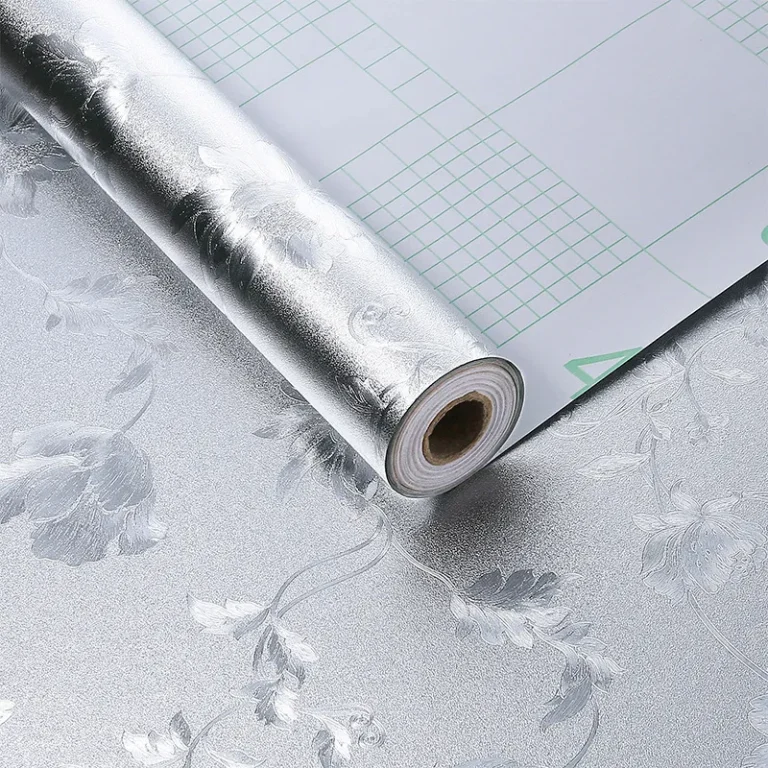
• Surface Texture & Finish: From ultra-glossy to deeply textured 3D effects, like those found in 3D Silk Texture Film.
• Functional Additives: Incorporating properties like flame retardancy, anti-microbial protection, or enhanced adhesion.
• Packaging & Logistics: Custom roll sizes, core diameters, and protective packaging for safe global shipment.
For businesses looking to develop a proprietary product line, engaging with a manufacturer offering full OEM (Original Equipment Manufacturer) or ODM (Original Design Manufacturer) services is key. This partnership involves close collaboration from the conceptual and design phase through to production and quality assurance. A partner with integrated capabilities—controlling the entire process from calendering and coating to printing and slitting—ensures greater consistency, faster turnaround times, and more effective cost control. This full-cycle control is crucial for maintaining the high standards required in markets like Europe and North America, where safety and environmental regulations are stringent.
Standard PVC film is a homogeneous sheet. PVCoated PVC Film involves a layered structure where a specialized PVC coating is applied to a base film. This coating is what provides the enhanced surface properties, whether for extra protection, a specific tactile feel, or advanced functional features like anti-static performance.
When properly specified, it is highly durable. Films designed for these areas typically have coatings with high resistance to moisture, steam, household chemicals, and abrasion. For example, films akin to Kitchen Anti-oil Film are engineered to resist grease and be easy to wipe clean, making them excellent for backsplashes and cabinet surfaces.
Yes, but it requires specific formulation. Outdoor-grade PVCoated films include additives in the coating to resist UV radiation, preventing fading and brittleness. They are also formulated to withstand wider temperature ranges and precipitation. It is essential to specify “outdoor” or “weather-resistant” grades for such projects.
MOQs vary significantly based on the complexity of the customization, color, and material. While large production runs are most cost-effective, many reputable manufacturers offer flexible MOQs to accommodate sample orders, trial runs, and smaller boutique projects. Direct consultation with the supplier is necessary to determine the specific MOQ for your requirements.
Reputable manufacturers adhere to international standards. Key certifications to look for include REACH, RoHS, and FDA compliance (for specific applications). They should provide material safety data sheets (MSDS) and test reports confirming the absence of heavy metals and phthalates. Always request this documentation from your supplier.