Address
304 North Cardinal St.
Dorchester Center, MA 02124
Work Hours
Monday to Friday: 7AM - 7PM
Weekend: 10AM - 5PM
Address
304 North Cardinal St.
Dorchester Center, MA 02124
Work Hours
Monday to Friday: 7AM - 7PM
Weekend: 10AM - 5PM


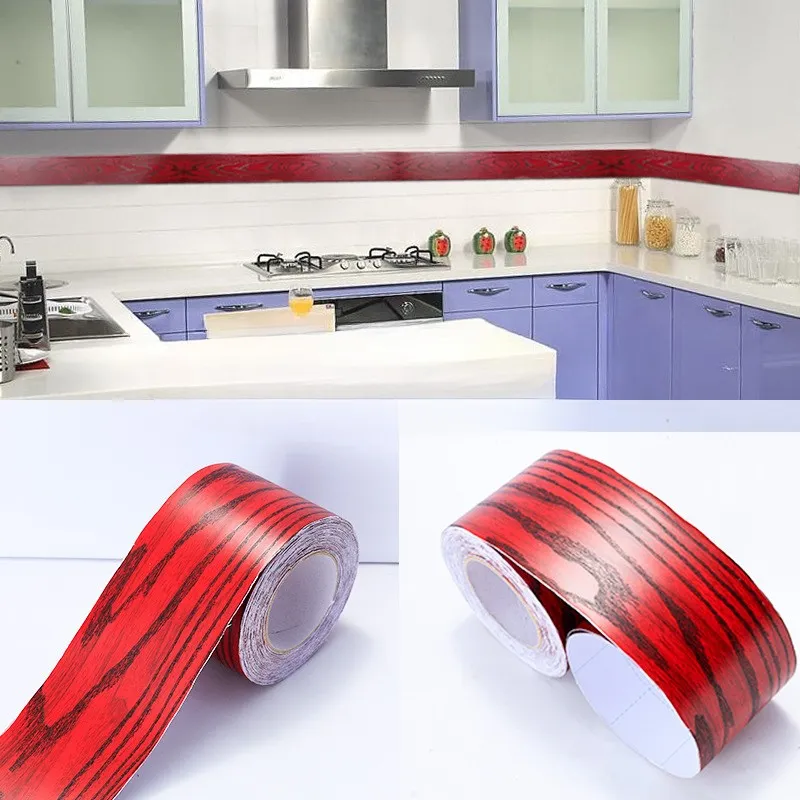
Rigid PVC film stands as a cornerstone material in modern manufacturing and design, prized for its exceptional durability, chemical resistance, and versatility. Unlike its flexible counterpart, rigid PVC film offers superior dimensional stability and strength, making it an indispensable solution across a vast spectrum of industries. From enhancing the aesthetics of furniture to providing protective layers in electronics, its applications are as diverse as they are critical. This article delves into the core properties of rigid PVC film, explores its wide-ranging applications, and highlights the custom solutions available to meet specific project demands.
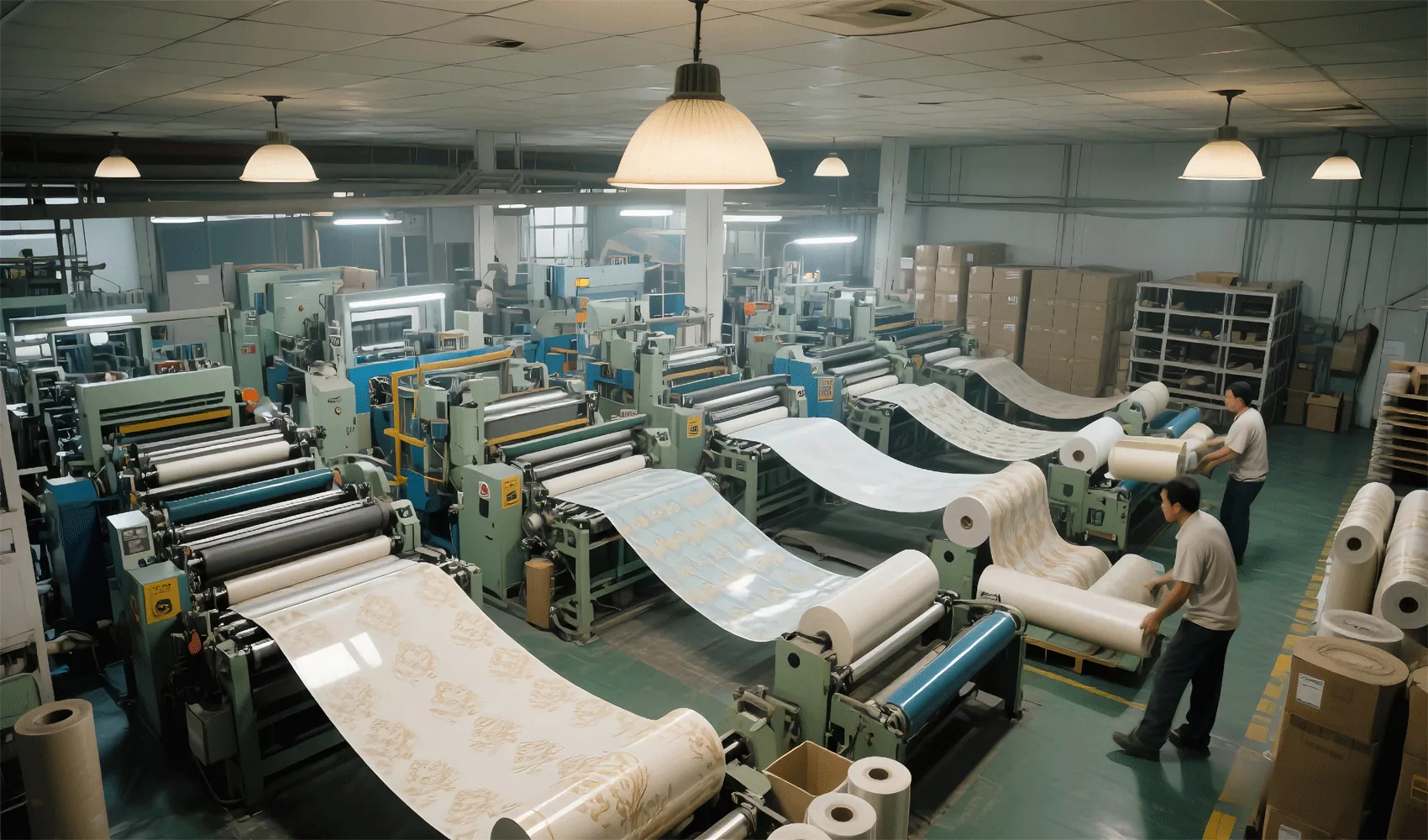
The utility of rigid PVC film is rooted in its unique set of physical and chemical characteristics. Understanding these properties is essential for selecting the right material for any application.
One of the most celebrated features of rigid PVC film is its remarkable toughness. It exhibits excellent resistance to impact, abrasion, and general wear and tear. This makes it ideal for surfaces that face frequent use or potential physical stress, such as flooring applications or protective panels. The material maintains its integrity over long periods, ensuring a long service life and reducing the need for frequent replacements.
Rigid PVC film is inherently resistant to a wide array of chemicals, including acids, alkalis, oils, and fats. Coupled with its near-zero water absorption rate, this property makes it perfectly suited for environments where exposure to moisture or corrosive substances is common. In settings like kitchens, bathrooms, or laboratories, PVC films provide a reliable, non-porous barrier that is easy to clean and sanitize.
The film maintains its shape and size under varying temperature and humidity conditions, preventing warping or shrinking. Furthermore, many rigid PVC films are formulated to be self-extinguishing and meet stringent flame-retardant standards. This combination of stability and safety is crucial for construction, transportation, and electronic applications where material performance cannot be compromised.
Rigid PVC film provides a superb substrate for printing, laminating, and embossing. It can be manufactured in a clear, transparent form or infused with a multitude of colors and effects. Advanced techniques allow for the creation of highly realistic textures, such as authentic wood grain, elegant marble patterns, or sophisticated metallic finishes. This aesthetic flexibility allows designers to achieve high-end looks for furniture and interiors without the cost and maintenance of natural materials.
The robust properties of rigid PVC film translate into practical benefits across numerous sectors. Its adaptability makes it a preferred material for both functional and decorative purposes.
In furniture making, rigid PVC film is extensively used for surface lamination on cabinets, wardrobes, tables, and shelves. It offers a cost-effective way to achieve durable, scratch-resistant, and visually appealing surfaces. Films with woodgrain or solid colors are popular for creating cohesive interior designs. For modern, sleek interiors, a high-gloss finish on wardrobe doors can add a touch of contemporary elegance.
The construction industry leverages rigid PVC film for wall panels, ceiling systems, partition boards, and skirting. Its moisture resistance makes it excellent for areas like bathrooms and kitchens. Specialized films, including those with enhanced weatherability, are used for exterior cladding and signage, providing longevity and color fastness against the elements.
Within electronics, rigid PVC film serves as protective front panels, insulating layers, and decorative trims on appliances. In the automotive sector, it is used for interior door panels, dashboard components, and trim pieces, where its durability and ease of cleaning are major advantages. The material can also be treated for anti-static properties, which is vital in sensitive electronic environments.
For packaging, rigid PVC film is used to create clear blisters, clamshells, and boxes that showcase products while providing protection. In advertising and display, its printability makes it perfect for point-of-sale displays, exhibition graphics, and durable signage that requires high visual impact.
Off-the-shelf products cannot always meet the specific challenges of a project. This is where the value of custom-engineered rigid PVC film truly shines. Manufacturers like Pulivk Film offer comprehensive OEM/ODM services to deliver solutions that fit exact specifications.
Every project has unique dimensional requirements. Custom solutions allow for precise control over:
✓ Thickness: Ranging from ultra-thin films for delicate applications to thicker gauges for structural components.
✓ Width and Roll Length: Tailored to fit specific machinery or to minimize waste during application.
✓ Surface Texture: Options include smooth glossy, matte, embossed patterns, or sophisticated 3D textures that provide both visual and tactile appeal.
Brand consistency and design integrity often depend on exact color matching. Advanced production facilities can match any Pantone® or RAL color sample. Furthermore, custom patterns can be developed from scratch or digitally printed, enabling the creation of unique, branded, or designer-specific films that are unavailable elsewhere. This is particularly valuable for creating distinctive accent walls or branded retail environments.
Beyond aesthetics, the functional performance of PVC film can be enhanced through various treatments:
For projects targeting specific markets like Europe or North America, compliance with regional safety and environmental regulations is non-negotiable. Reputable suppliers can provide films that comply with REACH, RoHS, FDA (for indirect food contact), and various fire safety standards (e.g., UL94, B1). They can also supply the necessary test reports and documentation to streamline your product certification process.
Rigid PVC film offers a superior balance of cost, performance, and processability. It is generally more cost-effective than acrylic while providing better chemical resistance and inherent flame retardancy compared to PET. Its excellent thermoforming capabilities also allow for more complex shapes than many alternatives.
Yes, but it requires specific formulation. Standard rigid PVC film can degrade under prolonged UV exposure. For outdoor use, it is essential to select films that are compounded with UV stabilizers and are rated for exterior durability to prevent yellowing, brittleness, and loss of mechanical properties.
The process usually starts with a consultation where you detail your requirements (application, dimensions, performance needs, aesthetics). The manufacturer may then produce lab samples for approval. After sample confirmation, a pilot production run might be conducted before moving to full-scale manufacturing, ensuring every parameter meets your specifications.
Modern rigid PVC films can be produced with a focus on sustainability. This includes using non-phthalate plasticizers, heavy-metal-free stabilizers, and incorporating recycled content. Furthermore, PVC is a thermoplastic and is technically recyclable. Many manufacturers adhere to international environmental management standards like ISO 14001.
Lead time varies significantly based on the complexity of the customization and order volume. Simple color or size modifications may have a lead time of 2-4 weeks. Developing a completely new pattern or texture with specific certifications can take 6-8 weeks or more. Reputable suppliers provide clear timelines and maintain proactive communication throughout the production cycle.