Address
304 North Cardinal St.
Dorchester Center, MA 02124
Work Hours
Monday to Friday: 7AM - 7PM
Weekend: 10AM - 5PM
Address
304 North Cardinal St.
Dorchester Center, MA 02124
Work Hours
Monday to Friday: 7AM - 7PM
Weekend: 10AM - 5PM


Self-adhesive vinyl film, often simply called self-adhesive film or adhesive vinyl, is a versatile and user-friendly material that has revolutionized countless DIY, commercial, and industrial projects. Its defining feature is a pressure-sensitive adhesive backing protected by a release liner, allowing for easy application to a vast array of surfaces. This ultimate guide delves into its applications, benefits, types, and the custom solutions available from leading manufacturers like Pulivk Film.
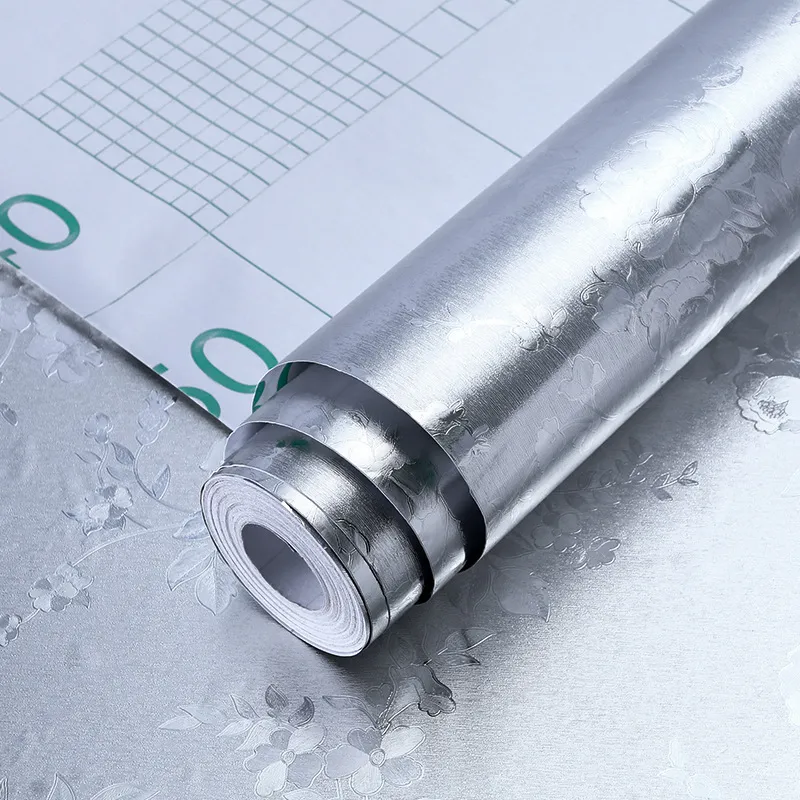
At its core, self-adhesive vinyl film is a thin, flexible sheet made primarily from Polyvinyl Chloride (PVC) or other polymer blends. One side is coated with a permanent, removable, or repositionable adhesive, while the other side features a decorative or functional finish. The material is supplied in rolls with a protective backing paper or liner that is peeled away during application. This simple mechanism makes it accessible to professionals and hobbyists alike, eliminating the need for messy liquids, brushes, or specialized tools typically associated with traditional adhesives.
The true power of self-adhesive vinyl lies in its incredible range of uses. From refreshing home interiors to creating bold brand identities, its applications are nearly limitless.
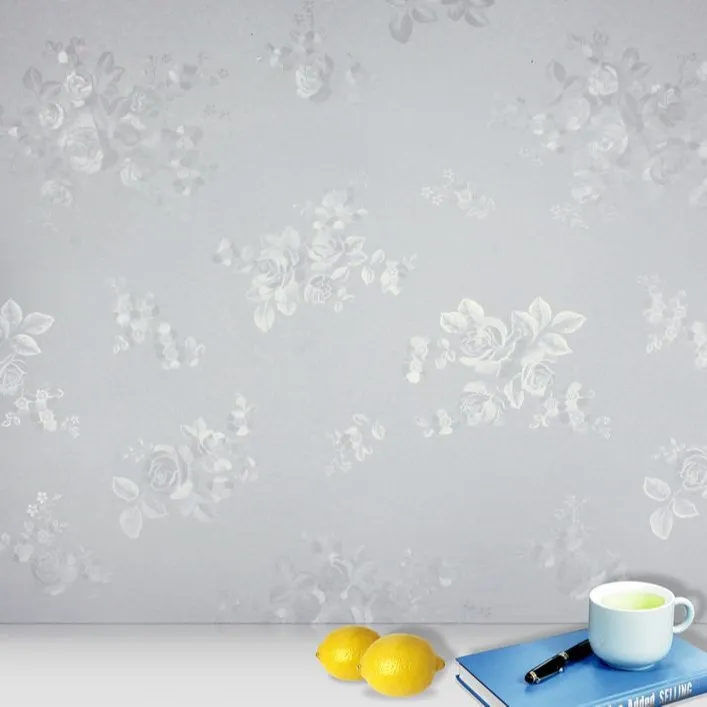
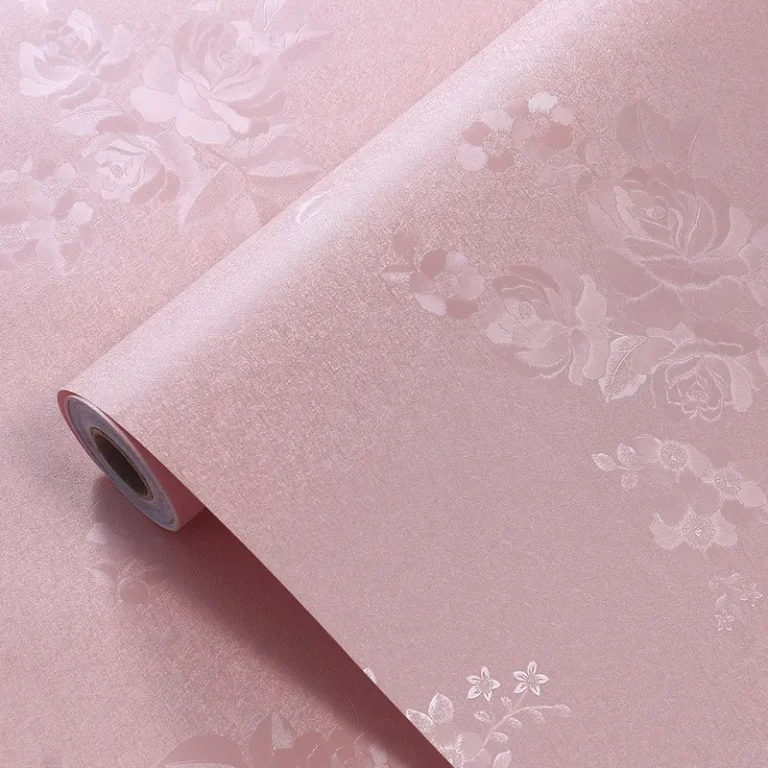
This is one of the most popular domains for adhesive vinyl. It offers a cost-effective, non-permanent way to transform spaces without renovation.
Businesses leverage adhesive vinyl for high-impact visual communication.
Beyond aesthetics, specialized adhesive films serve critical functional roles.
Choosing the right film is crucial for project success. Films are categorized by their adhesive type, finish, and intended use.
Permanent Adhesive: Designed for long-term, durable bonding. Ideal for outdoor signage, vehicle wraps, and surfaces that won’t need changing.
Removable/Repositionable Adhesive: Allows for adjustment during application and clean removal later. Perfect for rental properties, temporary promotions, or DIY trial runs.
Low-Tack Adhesive: For delicate surfaces like painted walls or paper, ensuring removal without damage.
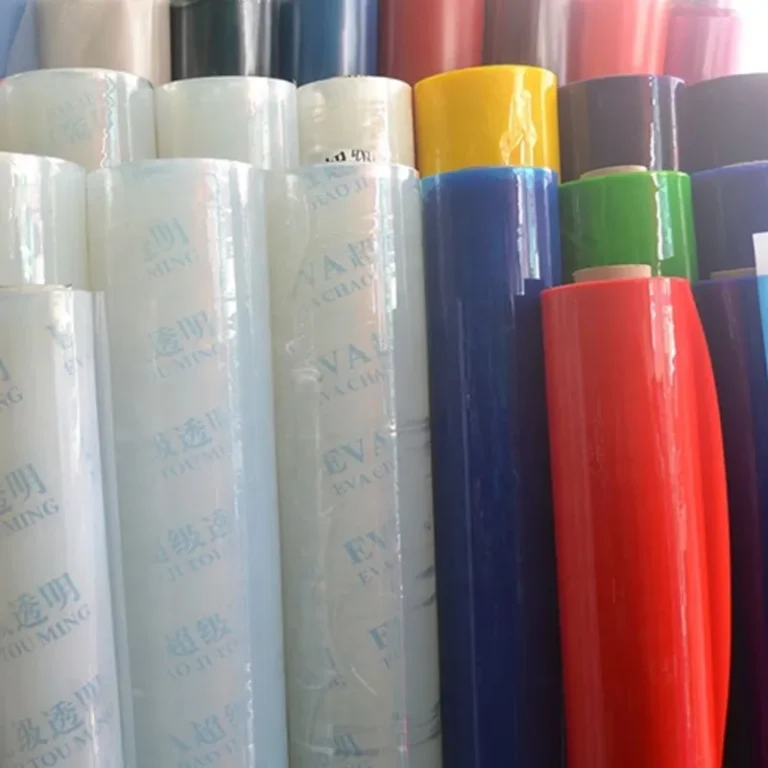
Manufacturers like Pulivk offer an extensive portfolio to suit any design vision:
While standard rolls are widely available, the most impactful projects often require tailored solutions. This is where partnering with an expert manufacturer becomes invaluable.
Pulivk Film’s OEM/ODM services exemplify this capability. Their full in-house control over the calendered film production process—from raw material to printing and slitting—allows for deep customization:
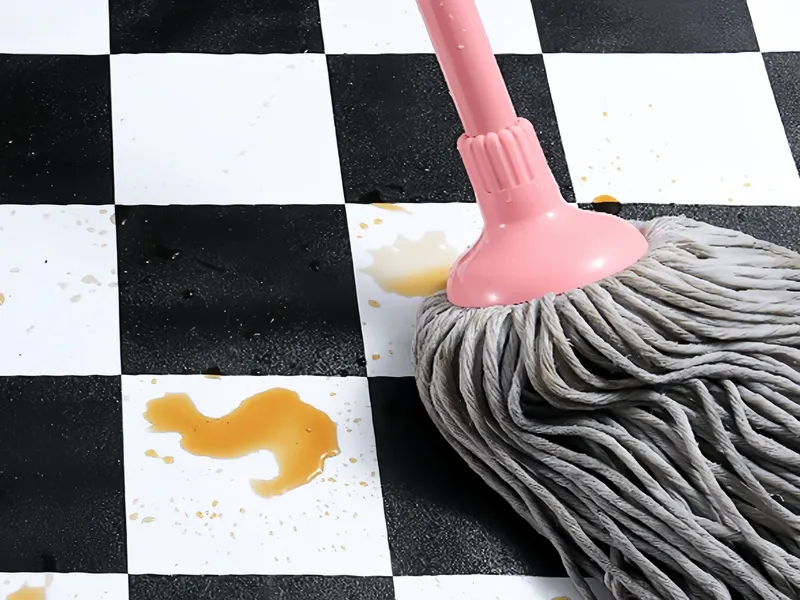
This level of customization ensures the film performs perfectly in its intended environment, whether it’s a high-traffic vinyl kitchen flooring, a branded retail display, or a specialized industrial component.
The surface must be completely clean, dry, smooth, and free of dust, oil, or wax. Use isopropyl alcohol or a mild detergent for cleaning. Any cracks or imperfections should be filled and sanded smooth, as the film will conform to and highlight surface flaws.
Yes, but you must select a film specifically rated for outdoor use. These films contain UV inhibitors to prevent rapid fading and have durable, weather-resistant adhesives and top coatings. Always check the manufacturer’s specifications for expected outdoor lifespan.
Calendered vinyl is made by pressing PVC compound through heavy rollers. It’s more rigid, cost-effective, and great for short to medium-term applications like decals and flat surfaces. Cast vinyl is poured onto a casting sheet, making it thinner, more flexible, and conformable. It’s premium-grade, ideal for long-term outdoor use and complex curves like full vehicle wraps.
Start by heating the film gently with a hairdryer or heat gun to soften the adhesive. Peel back slowly at a low angle (45 degrees or less). If residue remains, apply an adhesive remover (like citrus-based goo gone) and gently rub with a soft cloth. Always test any removal method in an inconspicuous area first.
Reputable suppliers like Pulivk adhere to international standards such as ISO 9001 (Quality Management) and ISO 14001 (Environmental Management). Their products often comply with REACH, RoHS, and FDA regulations, ensuring safety and environmental responsibility. Always request material safety data sheets (MSDS) or test reports for specific applications.