Address
304 North Cardinal St.
Dorchester Center, MA 02124
Work Hours
Monday to Friday: 7AM - 7PM
Weekend: 10AM - 5PM
Address
304 North Cardinal St.
Dorchester Center, MA 02124
Work Hours
Monday to Friday: 7AM - 7PM
Weekend: 10AM - 5PM


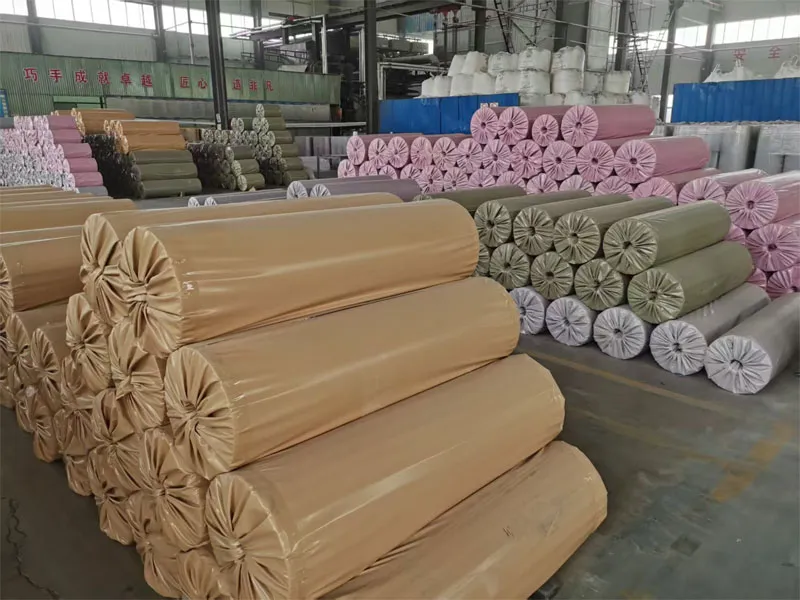
Shrink wrap packaging is a versatile, cost-effective way to protect, bundle, and present products across industries. This guide explains how shrink wrap works, the common materials and machines used, key benefits, and practical tips to choose the right specifications for your product line.
Shrink wrap is a polymer film that tightens around an item when heat is applied. The film conforms to the shape of the product, creating a secure, tamper-evident seal that can be used for single items, multipacks, and palletized cargo. Shrink wrap is available in a range of gauges, finishes, and formulations to suit retail, industrial, and food-grade needs.
Manufacturers select film based on strength, clarity, and thermal behavior. Typical shrink films include:
The shrink wrapping process has three main steps:
A sheet or sleeve of film is placed around or drawn over the product using a manual or automated wrapper (e.g., L-bar sealer, sleeve wrapper).
Heat tunnels, impulse shrinkers, or heat guns apply controlled heat to the film. The stretched film shrinks back to its original dimensions and tightly conforms to the product.
Once cooled, the film retains a tight, protective seal. Some lines add tamper tags, labels, or pads before final packing.
Machine choice affects throughput and finish. Typical settings to consider:
| Component | Typical Range | Best For |
|---|---|---|
| Film gauge | 30–150 microns | Retail items to pallet loads |
| Tunnel temp | 120–220°C (depending on film) | Clean, uniform shrink |
| Machine speed | 25–200 packs/min | From low-volume to high-volume lines |
Shrink wrap is popular because it delivers practical benefits across the supply chain:
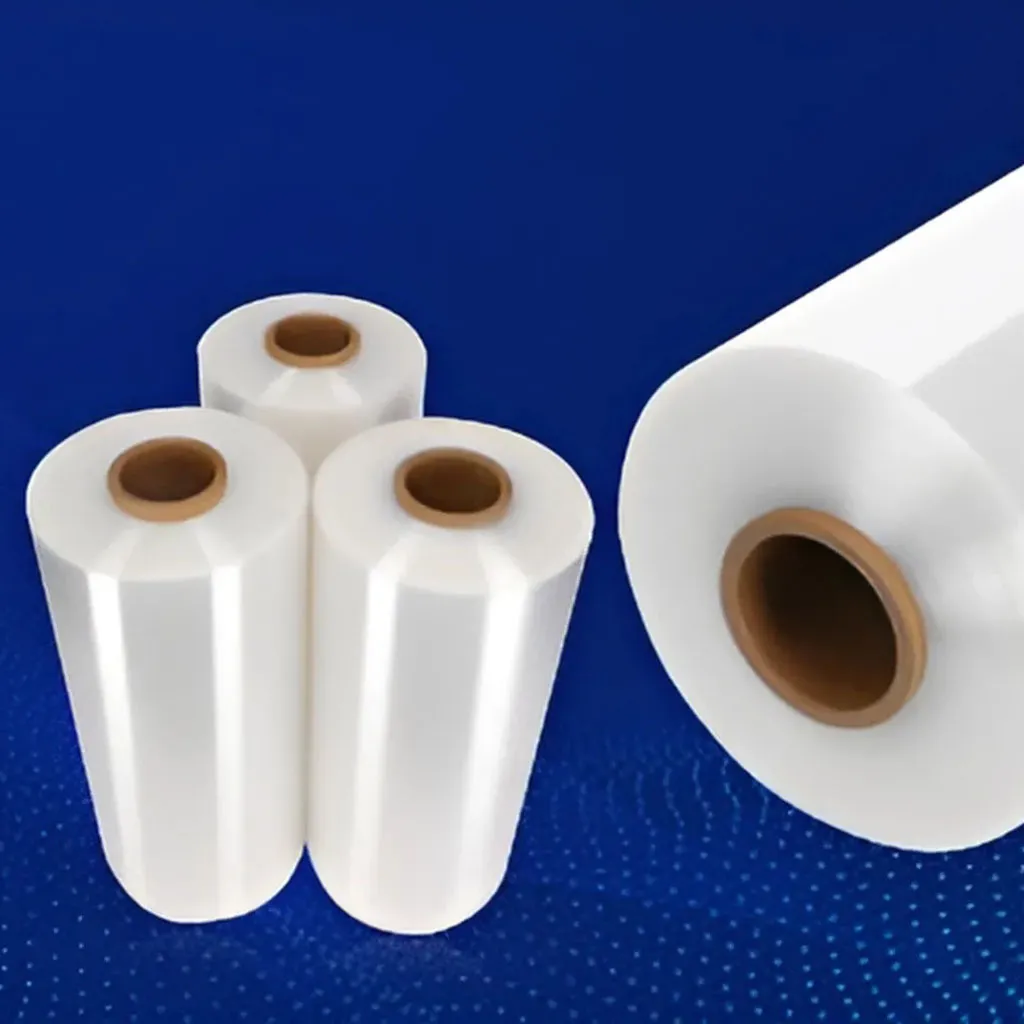
Shrink wrap finds use in many sectors including:
Sustainability matters: many firms now prefer mono-materials like POF and PE that are easier to recycle. Consider these steps to reduce footprint:
When sourcing shrink film or machines, ask about:
Look for a partner that controls production from raw materials to split-packaging to ensure consistent quality and predictable lead times. Pulivk offers full in-house production capabilities across calendering, printing, and packaging—helpful when you need OEM flexibility and stable delivery for export markets.
Shrink wrap remains a flexible, efficient packaging method suitable for small retail products through to heavy palletized shipments. Choosing the right film type, gauge, and machine settings—paired with a supplier that provides reliable quality and split-packaging options—will maximize protection, presentation, and cost-effectiveness for your operation.