Address
304 North Cardinal St.
Dorchester Center, MA 02124
Work Hours
Monday to Friday: 7AM - 7PM
Weekend: 10AM - 5PM
Address
304 North Cardinal St.
Dorchester Center, MA 02124
Work Hours
Monday to Friday: 7AM - 7PM
Weekend: 10AM - 5PM


 ByPulivk
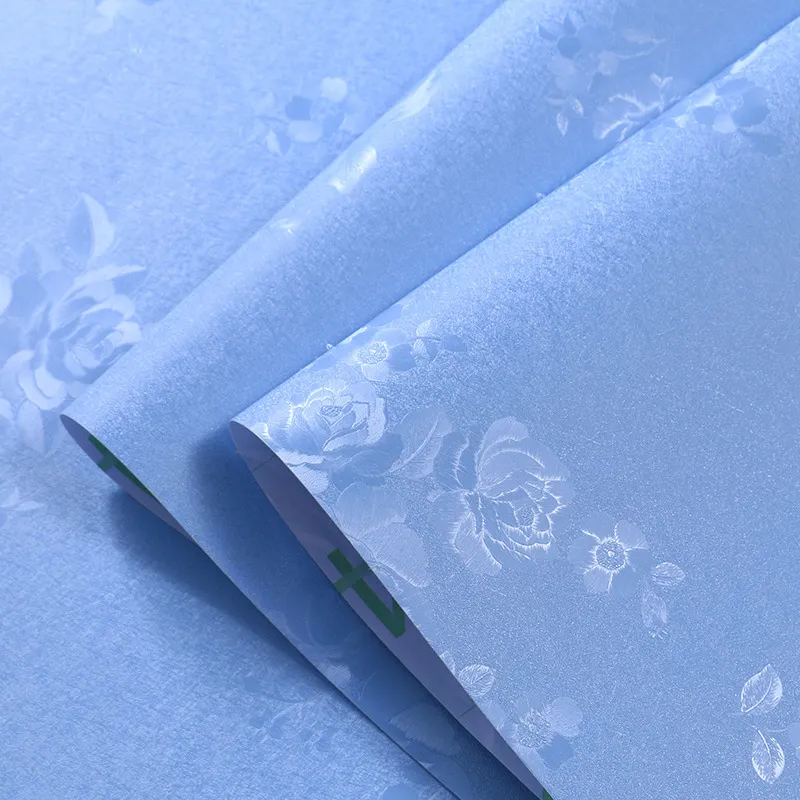
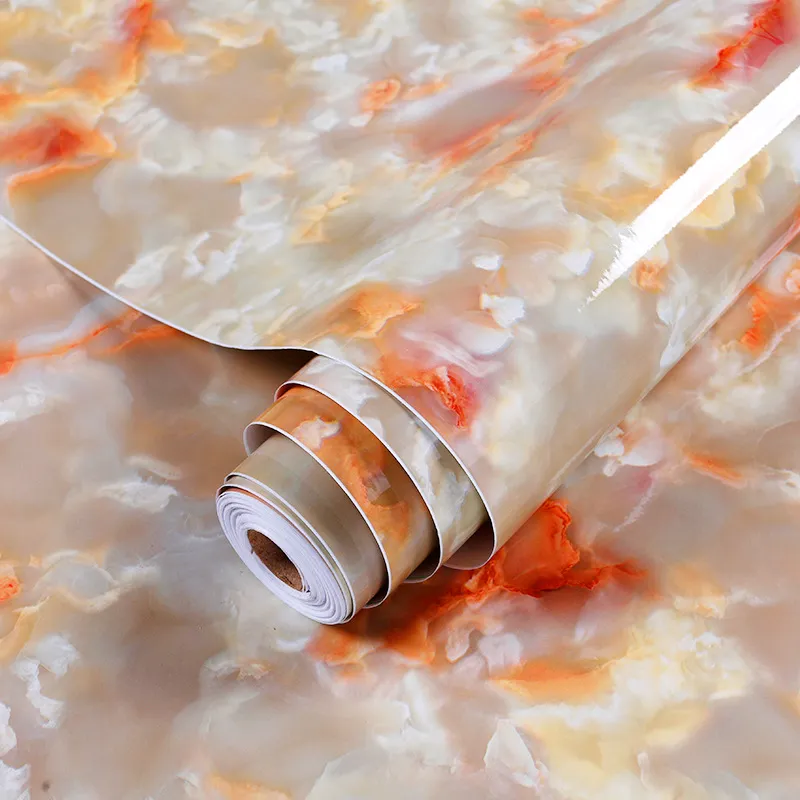
Achieving a premium look for interior surfaces no longer requires expensive raw materials. With advanced solid emboss PVC film manufacture, businesses can replicate high-end textures like leather, wood, and stone with remarkable accuracy. This technology bridges the gap between visual appeal and practical performance, offering a lightweight yet durable alternative to traditional materials. Whether you are outfitting a residential kitchen or designing commercial furniture, the depth and consistency of the embossed pattern are critical. Leading PVC film manufacturer facilities now utilize precision calendering lines to ensure every meter of film meets strict aesthetic standards without compromising structural integrity.
Not all embossed films deliver the same performance. The definition of a superior product lies in the stability of the calender processing and the formulation of the raw materials. Solid emboss PVC film manufacture involves pressing a three-dimensional pattern into a homogeneous PVC layer, creating a texture that is integral to the material rather than superficially printed. This method ensures the pattern won’t wear off under friction, maintaining its appearance over time. The thickness must be uniform to prevent weak spots during vacuum pressing applications.
The backbone of any reliable solid emboss PVC film is its formulation. High-grade PVC resin combined with impact modifiers and UV stabilizers helps the film resist yellowing and cracking, even in demanding environments. Unlike coated papers, PVC films offer inherent water resistance, making them ideal for kitchen and bathroom installations. The density of the film directly impacts the sharpness of the embossed detail; a denser film holds a deeper, more defined grain.
From a subtle matte sand to an aggressive deep wood pore, the texture must be compatible with the intended calendered film application method. Wrapping three-dimensional edges on doors requires a film with sufficient elongation properties, while flat-panel applications demand absolute flatness without curling. The embossing process must be balanced with the film’s internal tension to prevent memory effects that cause delamination later.
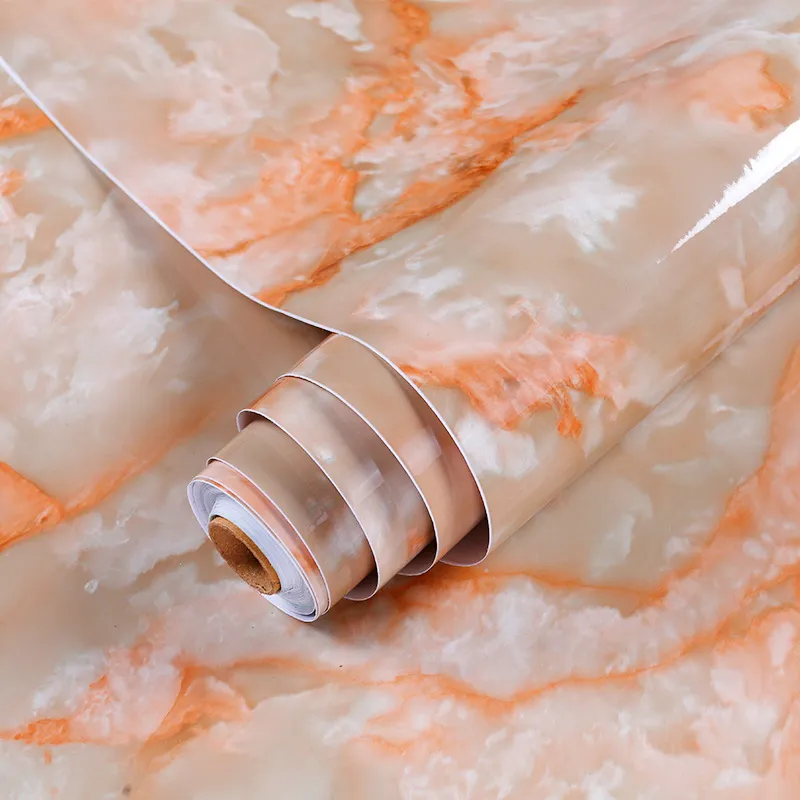
Procurement managers and technical directors need to look beyond the visual sample. The mechanical properties of the film dictate its performance on high-speed laminating lines. A proper solid emboss PVC film manufacture process should result in predictable thermal shrinkage and tensile strength. The table below outlines key physical properties typically observed in high-grade solid embossed films suitable for furniture and interior decoration.
| Property | Standard Range | Testing Standard |
|---|---|---|
| Thickness Tolerance | 0.08mm – 0.55mm (±5%) | ASTM D1593 |
| Tensile Strength | ≥ 15 MPa | ASTM D882 |
| Tear Resistance | ≥ 35 N/mm | ASTM D1004 |
| Gloss Level | Matte (0-5 GU) / Satin | ASTM D2457 |
| Width Capacity | Up to 1500mm | Custom Slitting Available |
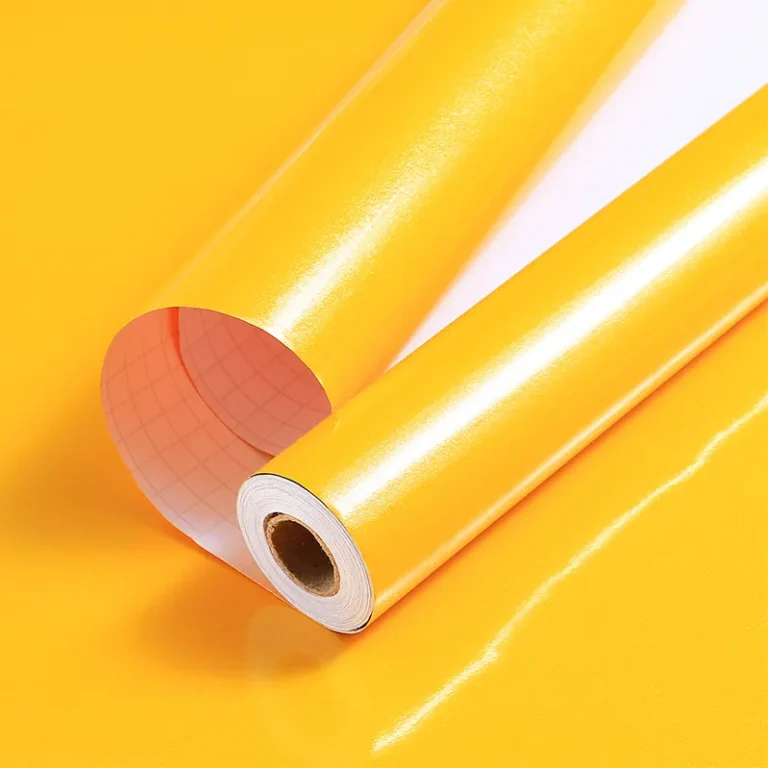
The shift toward solid color wallpaper and embossed films is driven by practical economics and performance benefits. Compared to natural veneers or laminates, PVC films offer a consistent supply chain unaffected by seasonal wood variations. They also reduce cutting waste, as the rolls can be applied seamlessly over large panels.
Kitchens and bathrooms present extreme challenges for untreated surfaces. A correctly manufactured solid emboss PVC film acts as an impermeable barrier against steam and grease. This makes it a preferred material for cabinet refacing projects where the substrate is old particleboard. The non-porous surface also inhibits bacterial growth, aligning with modern hygiene standards.
Digital color management is a hallmark of professional solid emboss PVC film manufacture. Unlike natural materials that vary by harvest, PVC films are tinted using computerized dispensing systems. This guarantees that the cabinet doors in a large hospitality project match the wall panels exactly, even across different production runs months apart.
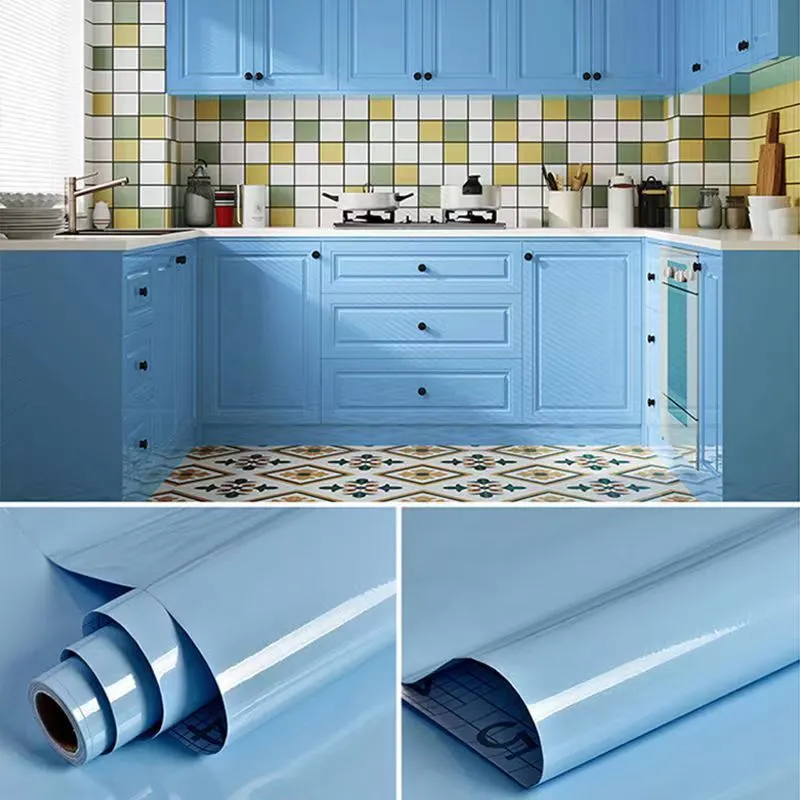
Innovation in embossing rollers has expanded the design vocabulary far beyond simple wood grains. The market now demands hyper-realistic textures that appeal to the sense of touch. Solid emboss PVC film manufacture can produce synchronized texture, where the visual print aligns perfectly with the physical embossing, a process often used for premium wood grain films. Alternatively, solid color embossed films rely purely on the play of light across the deep texture to create interest.
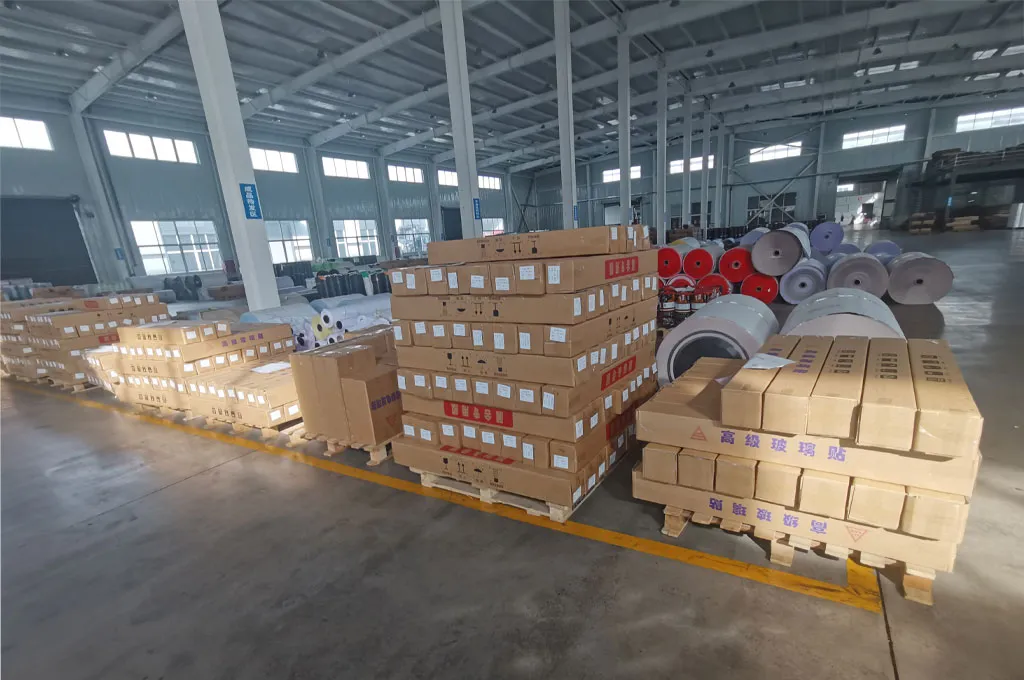
Navigating the supply chain for custom decorative materials can be complex. Henan Pulivk New Materials Co., Ltd. simplifies this by operating a vertically integrated factory. We maintain control over the entire process, from raw material blending to the final peel-off mask laminating. This structure not only reduces third-party costs but also ensures traceability. Our facility houses multiple calendering lines capable of producing films with a PVC Film Dimensional Stability that meets rigorous export requirements, ensuring the product remains flat and stable during transit.
We develop and maintain our own embossing rollers in-house. This allows for rapid prototyping of custom textures without the lead times associated with third-party engravers. Whether you need to match an existing architectural sample or develop a unique proprietary grip pattern, our team can translate your concept into a production-ready embossing cylinder.
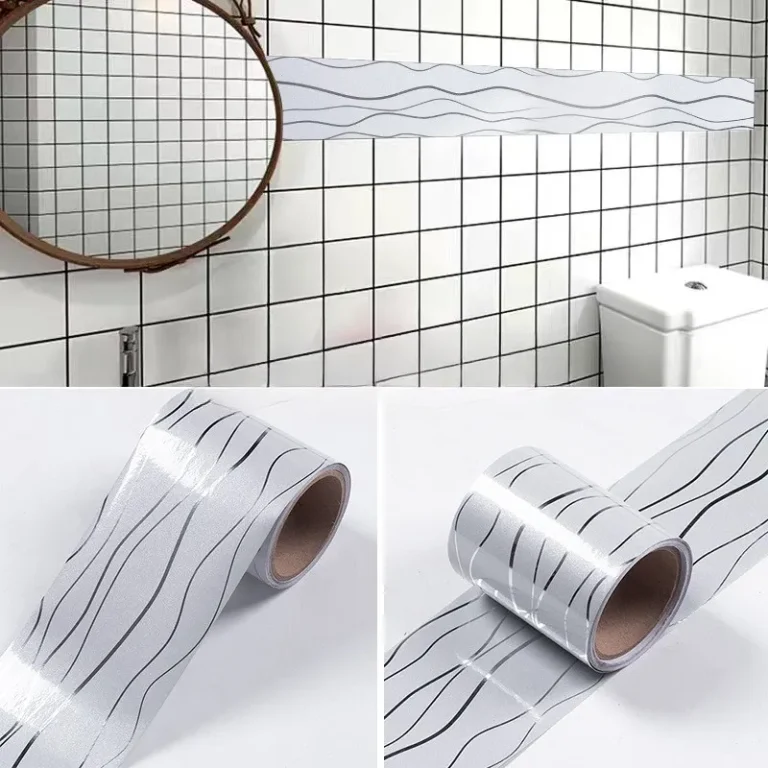
While we specialize in solid embossed varieties, our product line extends to complement every interior surface. From highly durable floor film that withstands heavy foot traffic to specialized PVC skirting film that protects wall bases, our catalog covers the entire project scope. This versatility allows buyers to consolidate their supply chain with a single reliable partner.
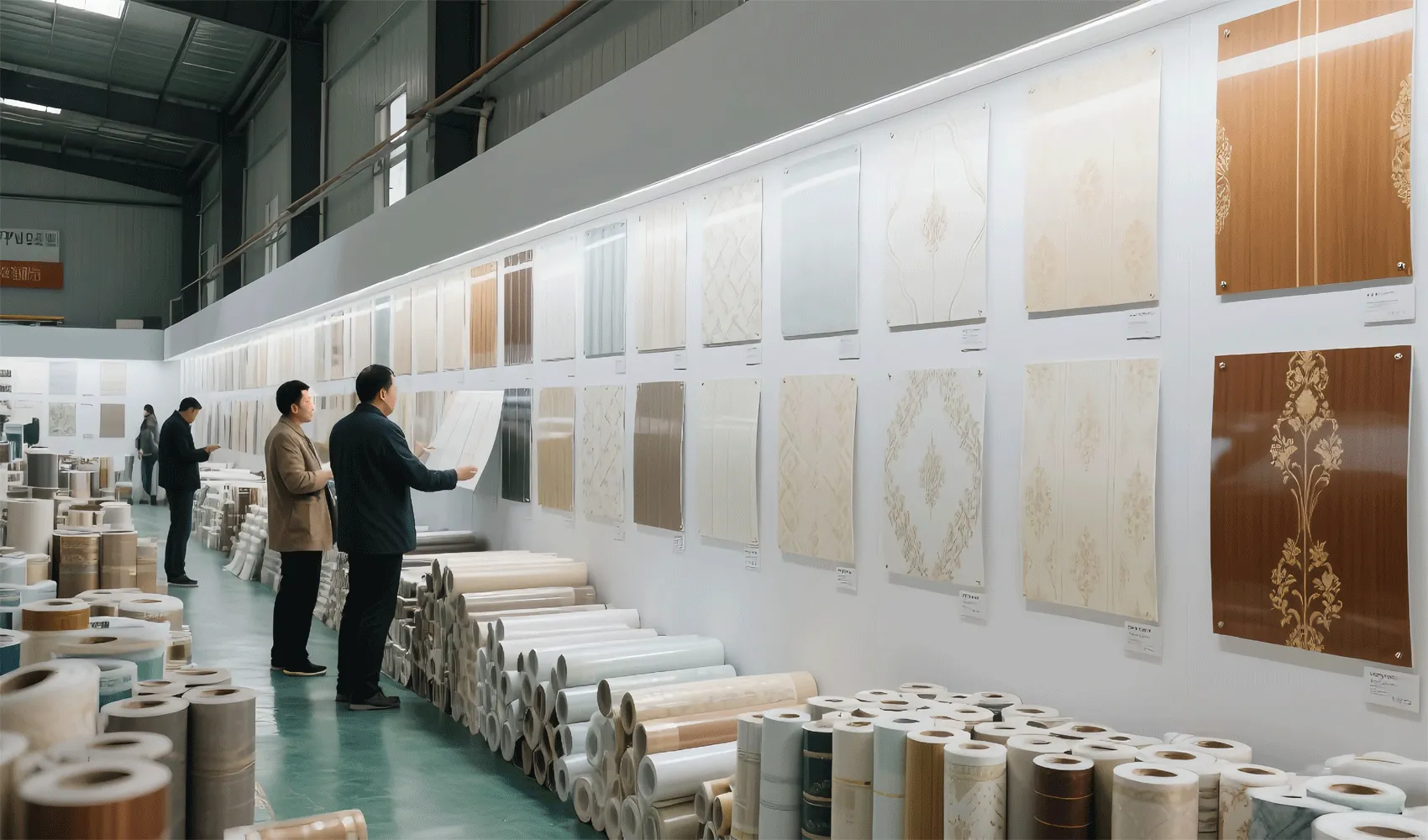
Responsible solid emboss PVC film manufacture extends beyond visual checks. It demands ongoing testing for volatile organic compounds and heavy metals. Our formulations are designed to comply with REACH and RoHS directives, making them suitable for interior residential use and export to regulated markets. We use eco-friendly inks and phthalate-free plasticizers, ensuring the final product is safe for human contact during use and installation.
Compliance with PVC Circular Economy principles is becoming a competitive necessity. Our films are formulated with an eye toward recyclability, and we optimize production to minimize edge scrap. By investing in modern calendering technology, we achieve tighter thickness tolerances, which translates to more square meters per kilogram for our customers and less waste at the laminating press.
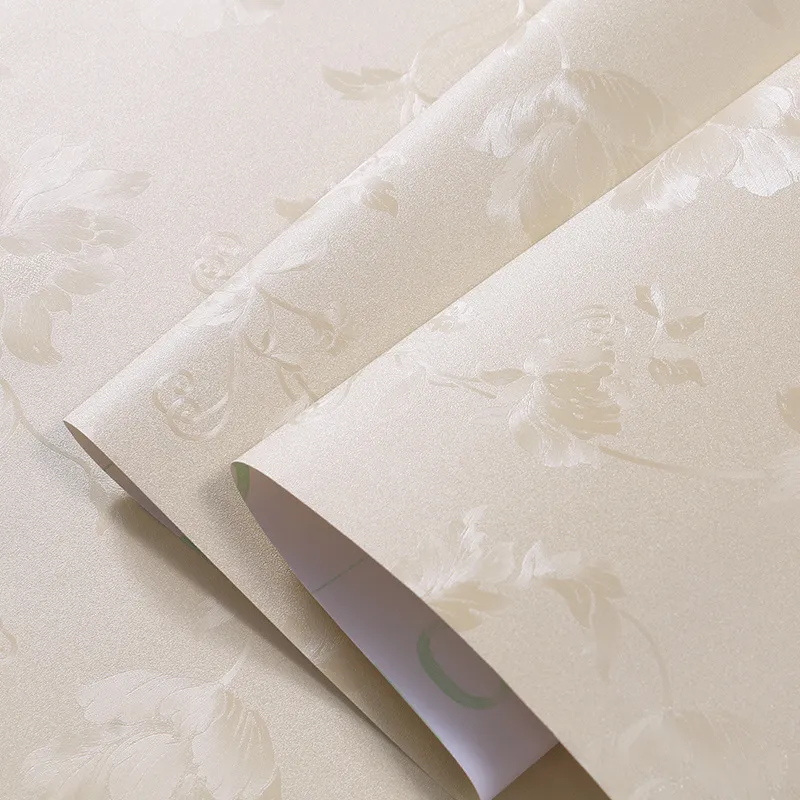
Installing these films correctly is as important as the manufacturing process. The surface must be dust-free, and the adhesive must be compatible with the plasticizer content. For pressure-sensitive varieties, a laminating roller is essential to activate the bond across the entire textured surface. For flat laminating, water-based urethane adhesives often provide the best heat resistance for kitchen cabinets.
For deep-profile cabinet doors, a thickness between 0.16mm and 0.20mm is generally recommended to allow for three-dimensional wrapping without tearing, while flat panels can use a thinner, more economical gauge.
Yes, if the film is formulated with titanium dioxide and UV absorbers. While no PVC is entirely immune to UV degradation, high-quality solid embossed films will retain their color and structural integrity significantly longer than standard interior films.
Custom embossing usually requires a reasonable commitment due to cylinder fabrication costs. Contact our sales team for current contact guidelines regarding tailored textures and color matching.