Address
304 North Cardinal St.
Dorchester Center, MA 02124
Work Hours
Monday to Friday: 7AM - 7PM
Weekend: 10AM - 5PM
Address
304 North Cardinal St.
Dorchester Center, MA 02124
Work Hours
Monday to Friday: 7AM - 7PM
Weekend: 10AM - 5PM


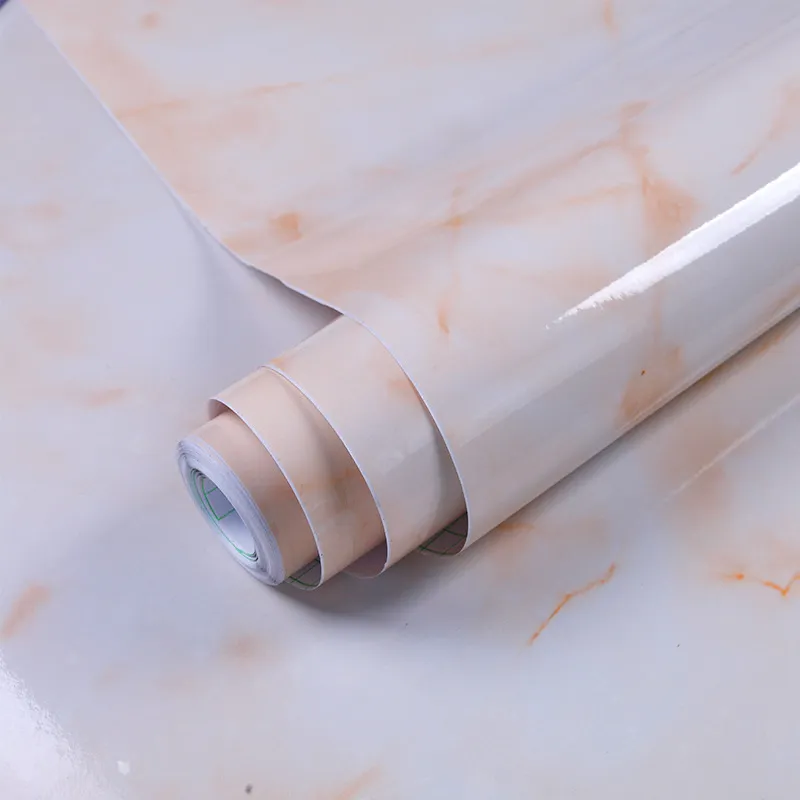
Solid embossed PVC film is one of the most practical decorative materials for manufacturers and contractors who need fast upgrades without sacrificing durability. Whether you’re sourcing for furniture wrapping, wall panels, door surfaces, skirting boards, or flooring protection, promotional offers on embossed PVC films can significantly reduce project costs—especially when you choose the right pattern, right thickness, and right backing for the job.
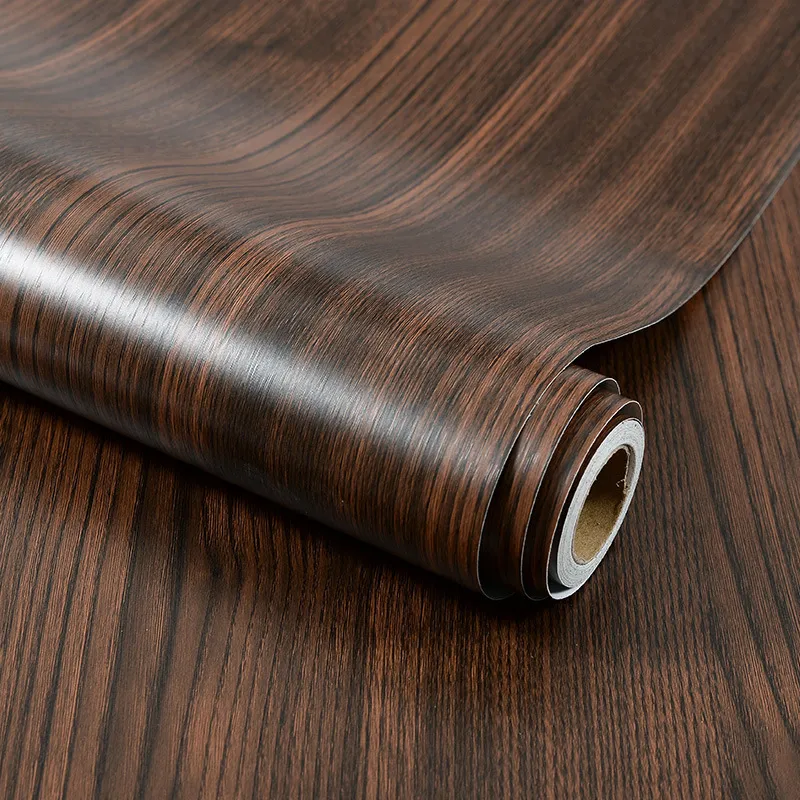
Key takeaway:
Promotions are valuable only when the film’s emboss depth, surface finish, and application method match your production line and end-use environment (kitchen oil, bathroom humidity, high-traffic flooring, etc.).
“Solid embossed” typically refers to PVC decorative film that has a single-color or unified base tone combined with a raised texture created by embossing rollers. Unlike printed woodgrain or marble, a solid embossed pattern focuses on tactile depth—linen, leather, sand, micro-dot, pebble, wave, brushed effects—and uses light/shadow to create a premium look.
Promotions matter because embossed films are often purchased in repeatable batches for continuous lamination or wrapping. A good deal can lower per-meter cost, but only if the film remains consistent across rolls and batches. For stable supply and process compatibility, many buyers source from producers with full-line capability such as calendering, printing, and slitting/packaging—reducing lead time and quality variation.
✔ Better aesthetics
Embossed texture adds perceived value even on solid colors.
✔ Better durability
Many embossed surfaces hide scratches and fingerprints better than flat gloss.
✔ Faster renovation
Use on panels, doors, and skirting to refresh interiors with minimal downtime.
Not all “best deals” are equal. A discounted roll becomes expensive if it causes lamination bubbles, poor adhesion, color mismatch, or high defect rates. When reviewing promotions for solid embossed PVC film, evaluate offers using a process-first checklist.
For large-scale supply, calendered film is widely used for consistent thickness and stable mechanical performance. If your project requires predictable processing, start by comparing calendered options and specifications:
https://pvcfilmtec.com/product/calendered-film/
Ask whether the promotional batch is same formula, same emboss roller, and same gloss level as standard production. Minor differences can shift how a “solid color” looks under showroom lighting.
🧾 Promotion cost checklist:
defect allowance, color consistency, lead time, packaging protection, MOQ flexibility, and whether you can get sample meters before committing.
For interior applications, buyers increasingly require materials compliant with REACH, RoHS, and other safety frameworks. If the film may contact skin (home, medical, or children’s environments), confirm low odor and non-toxic ink/coating. A promotion is only a win if it meets your customer’s compliance checklist.
Solid embossed films can be matte, satin, semi-gloss, or soft-touch. If your product targets premium cabinetry, fingerprint resistance matters. If it’s used on shopfitting or signage, you may prefer slightly higher gloss for visual impact. Confirm the finish and emboss depth with an actual swatch under your lighting conditions.
Solid embossed PVC film is popular because it can match modern minimal interiors while offering texture that feels premium. Below are common use-cases where promotions can help you expand SKUs or bid more competitively.
Solid embossed textures—like linen, leather, or micro-sand—work well for cabinet doors and office furniture because they hide daily wear. For kitchens, prioritize stain resistance and easy cleaning. If your cabinetry projects also involve oily environments, consider pairing decorative films with specialized kitchen protective options when appropriate.
Solid color wall finishes remain a staple in modern commercial interiors (hotels, clinics, offices). When the design calls for clean color blocks, you can also explore solid wallpaper-style materials:
https://pvcfilmtec.com/product/solid-color-wallpaper/
Embossed texture helps reduce “flatness” on large surfaces and can soften glare from overhead lights.
Skirting areas get frequent contact from shoes, mops, and cleaning tools. Embossed films help conceal scuffs while maintaining a consistent design line across the room. For this application, check skirting-specific solutions:
https://pvcfilmtec.com/product/pvc-skirting-film/
In some systems, PVC film is used as a decorative or protective layer—especially where water resistance and easy maintenance are required. If your promotion targets flooring projects, verify abrasion resistance and suitability for traffic level. You can review flooring-related options here:
https://pvcfilmtec.com/product/floor-film/
Beyond decoration, PVC films can offer functional performance like anti-static, insulation support, or protective layering. For electronics, always request testing data for the intended use environment (heat, chemicals, cleaning agents).
Choosing an embossed pattern is not only about taste. It’s about how the surface behaves in manufacturing and in real use. The best pattern is the one that stays consistent across batches, matches customer expectations, and performs well under cleaning, friction, and light.
🖐 Texture selection shortcuts:
Linen / fabric = warm, home-like, reduces glare
Leather / pebble = premium, hides scratches, good for furniture fronts
Micro-sand / matte grain = modern minimal, fingerprint-friendly
Wave / geometric = accent panels, commercial interiors, feature walls
Deeper emboss can look more luxurious, but it can also trap dust in some environments and may require stronger cleaning routines. For hospitals, clinics, and clean-room-adjacent spaces, many buyers prefer fine emboss for easier wipe-down and more hygienic appearance.
Matte embossed surfaces are common for cabinet faces and office interiors due to low reflection. Gloss can make solid colors pop but shows fingerprints more easily. Soft-touch coatings feel premium and are ideal for high-end furniture, though they may require stricter process control and cleaning recommendations.
Are you laminating on MDF/HDF, wrapping profiles, or applying as self-adhesive? Each method affects which film structure is best. For profile wrapping, flexibility and consistent heat behavior matter; for flat lamination, thickness stability and surface energy are key.
Solid colors change dramatically under different light temperatures. Always validate swatches in the final environment (warm home lighting, cool office LED, showroom spotlights). For projects with strict matching, request batch traceability and controlled color management from the supplier.
If you’re a distributor or project supplier, promotions are more effective when they align with your customers’ buying patterns. Instead of pushing random “overstock textures,” structure promotions around common, repeatable demand.
Offer a “kitchen set” (cabinet film + edge/skirting film) or “office set” (doors + partitions) with coordinated solid colors.
Create a promo range of matte embossed neutrals (white, greige, graphite) plus a few statement colors for feature surfaces.
Offer short rolls or meter samples so factories can test lamination speed, heat settings, and trimming behavior.
A promotional embossed PVC film should be supported by the same quality controls as regular production. Before confirming, request basic data and verification. This reduces disputes and prevents hidden costs.
Thickness tolerance, roll length/width, gloss level, emboss consistency, color delta control, adhesion compatibility (if laminated or self-adhesive),
plus compliance statements (e.g., REACH/RoHS) where needed.
Packaging also matters. Films individually wrapped with dust protection and clearly labeled reduce transit damage and mix-ups—especially when you’re buying multiple patterns within one promotion.
The best promotions typically come from suppliers with end-to-end production control (calendering, printing/embossing, slitting, and packaging). This helps maintain stable lead times and reduces variation—important when you’re repeating the same “solid embossed” SKU for multiple customer projects.
If you need ongoing product updates, technical guidance, or OEM/ODM flexibility, it’s also useful to work with a partner that can adjust thickness, width, roll size, and surface treatments (anti-static, anti-fog, functional coatings) based on your market needs. For broader product navigation and specifications, you may browse:
https://pvcfilmtec.com/product/
⭐ Buyer tip:
If you plan to run seasonal promotions, ask for batch reservation or repeat-order color locking so your “deal SKU” stays consistent across quarters.
1) What is PVC film, and is it only for decoration?
PVC film is a thin polyvinyl chloride sheet used for decoration and functional protection. Besides appearance upgrades, it can support durability, easy cleaning, and optional functional treatments (such as anti-static).
2) How do I choose between matte and glossy solid embossed PVC film?
Matte is typically better for fingerprint resistance and low glare; glossy offers brighter visual impact but shows marks more easily. Always confirm with a sample under your real lighting.
3) What should I check first when buying promotional embossed rolls?
Check thickness stability, emboss consistency, color uniformity, packaging protection, and whether the film matches your application method (lamination, wrapping, or self-adhesive use).
4) Can I request custom colors/patterns even during a promotion?
Often yes, depending on the supplier’s OEM/ODM flexibility and MOQ. Many manufacturers support custom thickness, width, color matching, surface finish, and packaging—confirm lead time and batch rules in advance.
5) What applications are solid embossed PVC films best suited for?
Common uses include furniture surfaces (cabinets, doors), interior wall panels, skirting boards, and selected flooring/protection systems—especially where you want a premium tactile feel and better scratch masking than flat surfaces.