Address
304 North Cardinal St.
Dorchester Center, MA 02124
Work Hours
Monday to Friday: 7AM - 7PM
Weekend: 10AM - 5PM
Address
304 North Cardinal St.
Dorchester Center, MA 02124
Work Hours
Monday to Friday: 7AM - 7PM
Weekend: 10AM - 5PM



Stainless steel protective film is a thin, engineered layer applied to stainless surfaces to prevent scratches, contamination, and handling damage during fabrication, transport, and installation. It preserves finish quality, extends asset life, and helps reduce rework costs for manufacturers, fabricators, and installers.
Protection during handling: Films act as a sacrificial barrier against tools, straps, and accidental impacts during fabrication and shipping.
Dust and dirt control: Self-adhesive films keep contaminants off polished or brushed surfaces so final cleaning is faster and less expensive.
Finish preservation: Prevents micro-scratches and surface marring that reduce the aesthetic value of panels, appliances, and architectural features.
| Benefit | What it Means | Typical Impact |
|---|---|---|
| Scratch resistance | Reduces surface damage from abrasives | Fewer reworks, higher first-pass quality |
| Corrosion barrier | Blocks contaminants that promote corrosion | Extended life in coastal or industrial environments |
| Easy removal | Clean peel without adhesive residue | Faster on-site finishing, reduced labor |
| Custom printing & color | Branding and identification on protective layers | Simplified logistics and brand protection |
Protective films are used across industries where stainless steel finish matters:
Architecture & construction: Elevators, handrails, cladding, and façades remain pristine during installation.
Appliances & commercial kitchens: Panels, doors, and control faces are shielded from scratches and grease.
Automotive & transportation: Trim, components, and interior stainless parts stay damage-free through assembly and shipping.
In food processing and medical equipment, protective film helps maintain hygiene by preventing contamination on stainless surfaces before final sterilization or cleaning. Anti-static and antibacterial film grades further reduce risks in sensitive settings.
Adhesive layer: A carefully formulated pressure-sensitive adhesive (PSA) bonds to stainless without leaving residue and peels cleanly when required.
Carrier film: The carrier (PVC, PE, or specialty calendered film) provides the mechanical barrier against abrasion, UV, and moisture. Select carriers for high-temperature forming or outdoor exposure as needed.
Surface release liner and printing: Many films include printed markings or instructions to guide installers and identify protected faces, helping reduce installation errors.
Film thickness — Thicker films offer better abrasion resistance but may affect conformability around complex bends. Typical stainless protective films range from 30µm to 200µm depending on the application.
Adhesion level — Choose low-tack for delicate finishes or higher-tack for long-term outdoor protection. Temperature rating is crucial for heat-treated or hot-formed panels.
Clean surface before application to avoid trapping dirt beneath the film. Apply with a squeegee to remove air pockets and ensure edge adhesion. Remove film within the recommended dwell time and peel slowly at a low angle to avoid lifting coatings.
For indoor polished finishes: Thin, clear PVC film with low-residue adhesive works well.
For outdoor or heavy-duty transport: Use UV-stabilized, thicker films with stronger adhesion and higher temperature resistance.
Where possible, select recyclable carrier films and work with suppliers who provide split-packaging or reclaimed material programs. Proper disposal depends on local recycling rules for PVC/PE materials.
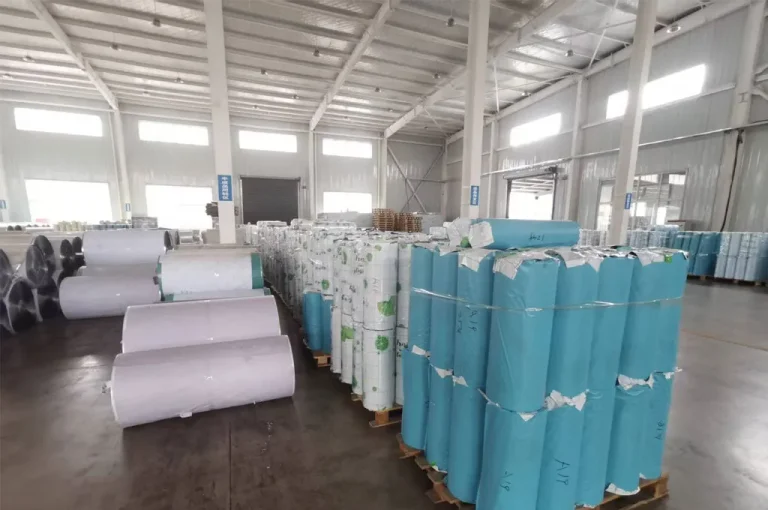
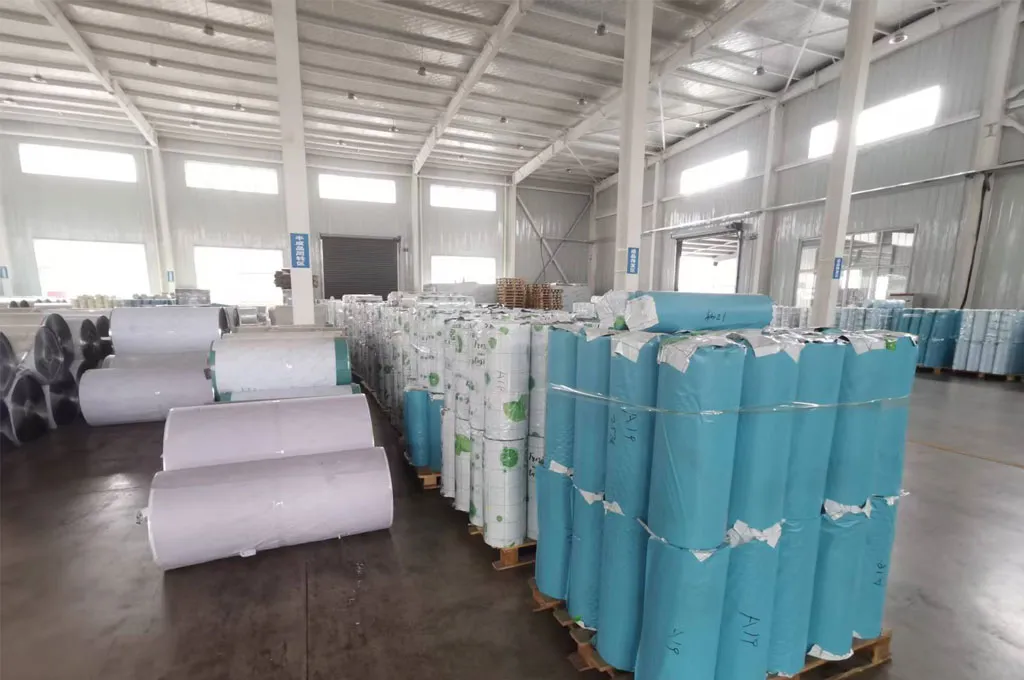
For reliable supply and customization—sizes, prints, and packaging—Pulivk (Henan Pulivk New Materials Co., Ltd.) operates full in-house production with calendering, printing, and split-packaging lines to ensure consistent quality and timely delivery.