Address
304 North Cardinal St.
Dorchester Center, MA 02124
Work Hours
Monday to Friday: 7AM - 7PM
Weekend: 10AM - 5PM
Address
304 North Cardinal St.
Dorchester Center, MA 02124
Work Hours
Monday to Friday: 7AM - 7PM
Weekend: 10AM - 5PM


In the world of modern materials, Super Clear PVC film stands out as a versatile and indispensable solution across countless industries. Its unique combination of optical clarity, durability, and flexibility has made it a go-to choice for designers, manufacturers, and DIY enthusiasts alike. This guide delves deep into the benefits, various types, and extensive applications of this remarkable material, providing a comprehensive understanding of its capabilities.
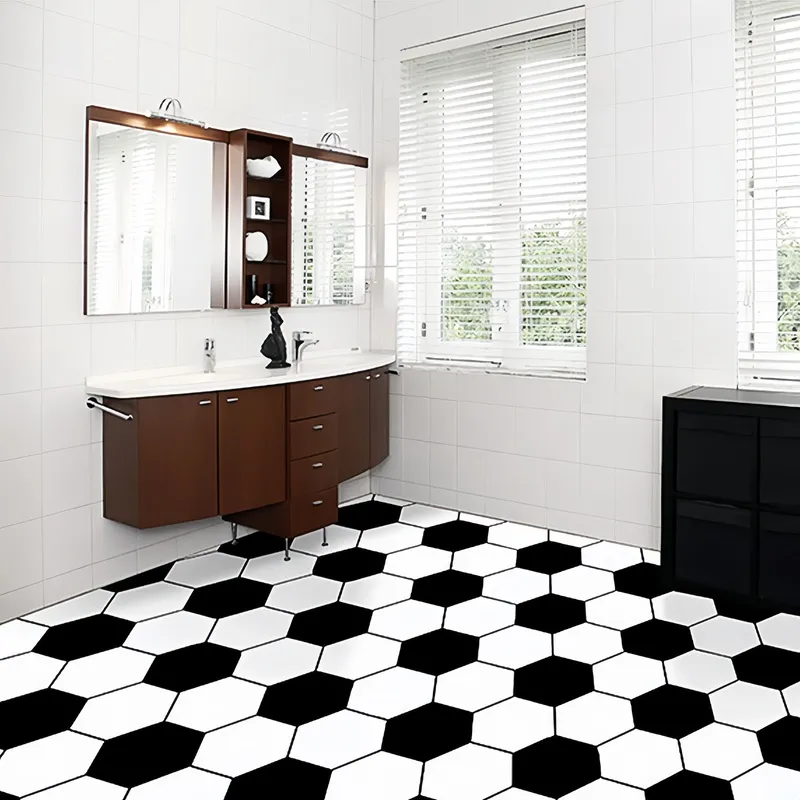
The popularity of Super Clear PVC film is no accident. It is the direct result of a powerful set of advantages that address key needs in manufacturing and design.
Crystal-Clear Transparency: The primary benefit is its exceptional clarity, which rivals glass but without the associated weight, fragility, or cost. It allows for unobstructed viewing, making it perfect for display cases, product packaging, and protective barriers.
Superior Durability: PVC film is highly resistant to tears, impacts, and abrasion. It protects surfaces from scratches, stains, and chemical spills, significantly extending the lifespan of the underlying material.
Weather & UV Resistance: High-quality films are treated to resist yellowing and degradation from sunlight and harsh weather conditions, ensuring long-term clarity and performance both indoors and outdoors.
Lightweight and Flexible: Its minimal weight reduces structural load and shipping costs. The inherent flexibility allows it to conform to curved or irregular surfaces with ease, enabling applications impossible for rigid materials.
Ease of Processing: PVC film can be easily die-cut, printed on, laminated, and heat-sealed. This processability integrates seamlessly into automated production lines, boosting efficiency. For specialized textures, explore options like 3D Silk Texture Film.
Cost-Effectiveness: Compared to glass, acrylic, or other clear polymers, Super Clear PVC film often provides a more economical solution without a substantial sacrifice in performance, offering excellent value for money.
Not all clear films are created equal. Variations in manufacturing and additives create a spectrum of types tailored for specific uses. Understanding these differences is key to selecting the right film.
Calendered PVC Film: Produced by pressing molten PVC compound between heavy rollers, this method yields films with excellent dimensional stability, consistent thickness, and a brilliant glossy finish. It’s ideal for applications requiring rigidity and a premium surface appearance. Discover more about this process with our Calendered Film.
Blown PVC Film: Created by extruding a tube of PVC that is then inflated and cooled. This film tends to be softer, more pliable, and has better cling properties, making it suitable for stretch wrapping and protective packaging.
Films range from ultra-thin (0.05mm) for lightweight protection to thick, rigid sheets (0.5mm+) that can function as structural components. The choice depends on the required level of protection, flexibility, and structural support.
The utility of Super Clear PVC film spans from everyday consumer products to specialized industrial uses. Its adaptability is its greatest strength.
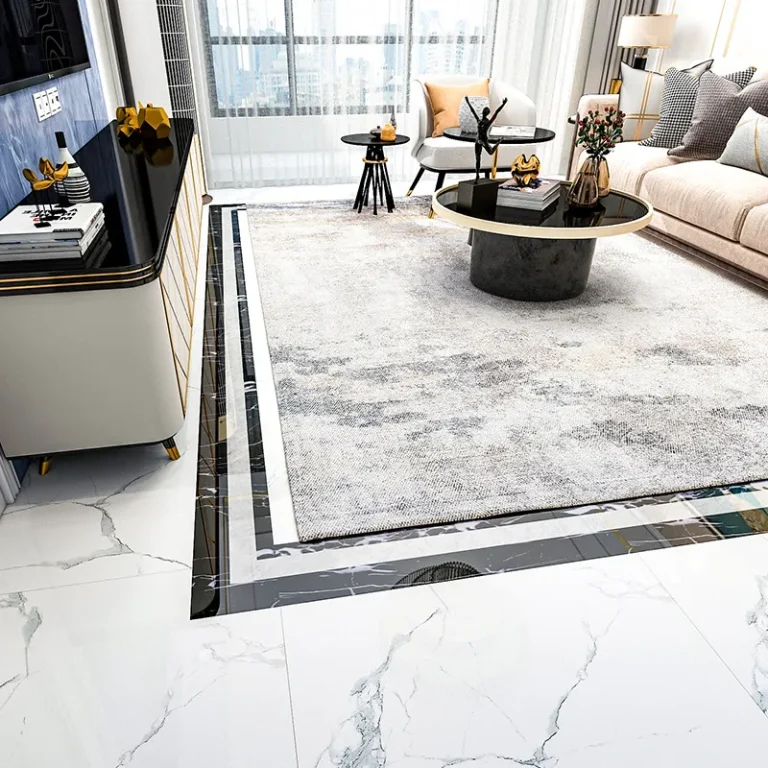
In retail, clarity sells. PVC film is used for blister packs and clamshell packaging, allowing products to be visible and secure. It’s essential for creating eye-catching Floor Film graphics for in-store promotions and as a protective overlay on menu boards and signage.
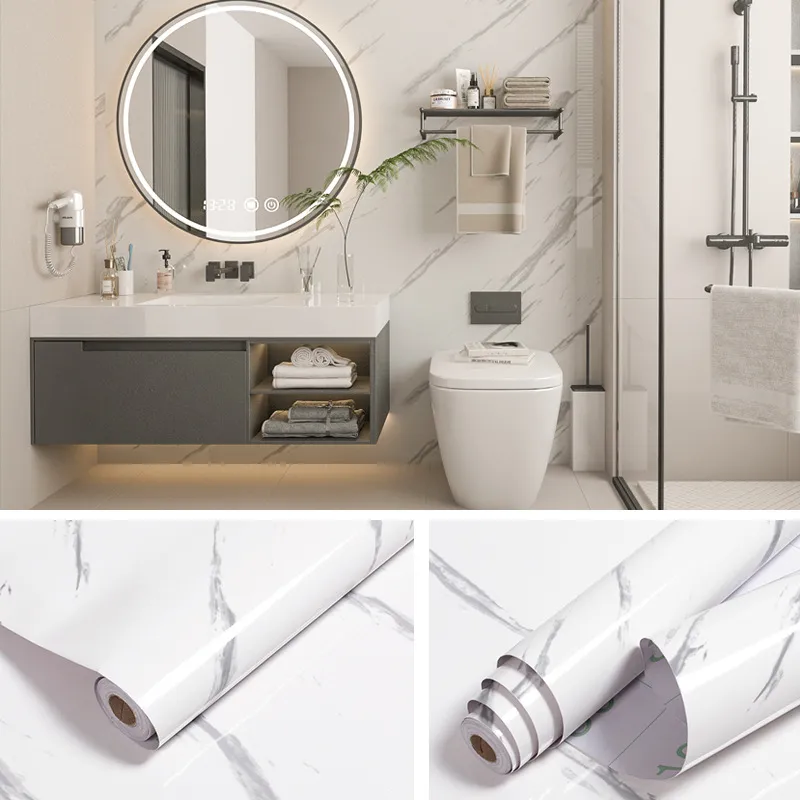
Architects and designers use it as a protective layer on Marble Film countertops or decorative panels during construction. It serves as a temporary window film for privacy or safety glazing and can be part of clear, protective wall coverings in high-traffic areas.
This is a critical application area. Anti-static clear film protects circuit boards and components during shipping and storage. Clear membrane switches on control panels often use PVC film for its durability and tactile response. It also acts as a protective mask during PCB soldering or screen printing.
In medical settings, clear PVC is used for sterile barrier packaging of surgical instruments. Its clarity allows for quick content identification. It’s also found in clear shower curtains, aprons, and disposable protective barriers where visibility and fluid resistance are paramount.
As a printable substrate, it accepts high-quality UV and solvent inks for creating durable, weather-resistant stickers, decals, and vehicle wraps. Its clarity makes it ideal for overlays in manuals or for creating “window” effects in complex graphic designs.
Selecting the optimal Super Clear PVC film requires careful evaluation of your project’s specific demands.
Application Environment: Will it be used indoors or outdoors? Exposure to UV light, moisture, or chemicals dictates the need for specialized stabilizers and coatings.
Physical Requirements: Determine the necessary tensile strength, tear resistance, and flexibility. Will the film be under constant tension or need to withstand impact?
Optical & Surface Needs: Decide on the required level of gloss or anti-glare. Consider if anti-fog, anti-static, or self-adhesive properties are needed.
Regulatory Compliance: For food contact, medical, or children’s products, ensure the film meets relevant safety standards like FDA, RoHS, or REACH, using non-toxic, phthalate-free compounds.
The future of Super Clear PVC film is geared towards enhanced functionality and sustainability. Developments include bio-based plasticizers for greener products, films with even higher clarity and scratch resistance (hard-coat films), and smart films that can integrate with electronic displays or change transparency on demand.
While both are clear plastics, PVC film is generally more flexible, impact-resistant, and cost-effective. Acrylic (PMMA) often offers higher optical clarity and rigidity but is more brittle and expensive. PVC is preferable for applications requiring conformability and toughness.
Recyclability depends on local facilities. PVC is technically recyclable, but its recycling stream is less common than PET or PE. It’s crucial to check with local waste management authorities. Many manufacturers are focusing on developing more easily recyclable PVC formulations.
Use a application squeegee and apply the film slowly from one edge. A spray bottle with a mild soapy water solution (a few drops of dish soap in water) sprayed on the adhesive side allows you to position the film perfectly before squeezing out the liquid and securing the bond.
Only specific grades of PVC film that are certified as food-safe (e.g., compliant with FDA regulations) should be used for direct food contact, such as in packaging. Always verify the manufacturer’s specifications and certifications for your intended use.
For detailed information on various types, from Wood Grain Film to specialized finishes, visit our comprehensive Knowledge center or browse our full Product catalog.