Address
304 North Cardinal St.
Dorchester Center, MA 02124
Work Hours
Monday to Friday: 7AM - 7PM
Weekend: 10AM - 5PM
Address
304 North Cardinal St.
Dorchester Center, MA 02124
Work Hours
Monday to Friday: 7AM - 7PM
Weekend: 10AM - 5PM


 ByPulivk
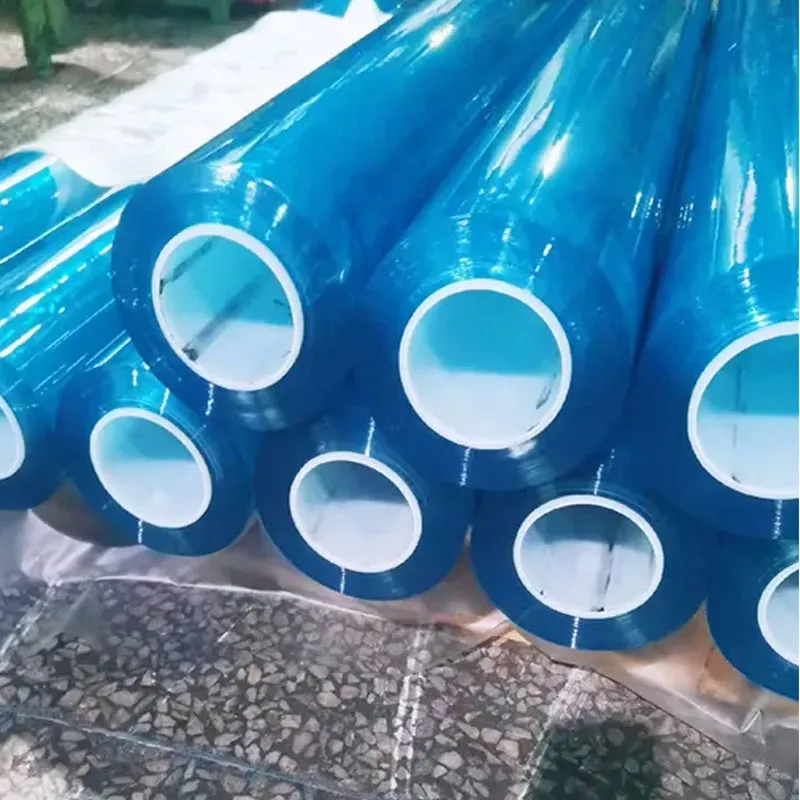
Thin gauge PVC film is one of the most versatile materials used across industries ranging from furniture manufacturing to medical packaging. With typical thicknesses ranging from 0.03 mm to 0.50 mm, this flexible, durable, and cost-effective material has become a go-to solution for surface decoration, protection, and functional applications. Understanding the different types, properties, and selection criteria for thin gauge PVC film is essential for making informed purchasing decisions that balance performance and budget.
Thin gauge PVC film refers to polyvinyl chloride sheeting produced in thicknesses generally under 0.50 mm. Unlike rigid PVC sheets, thin gauge films are flexible and easily conformable, making them ideal for lamination, wrapping, and surface covering applications. The manufacturing process typically involves calendered film production, where heated PVC resin is passed through precision rollers to achieve uniform thickness and desired surface textures. This method ensures consistent quality, excellent clarity for transparent grades, and reliable mechanical properties across the entire roll.
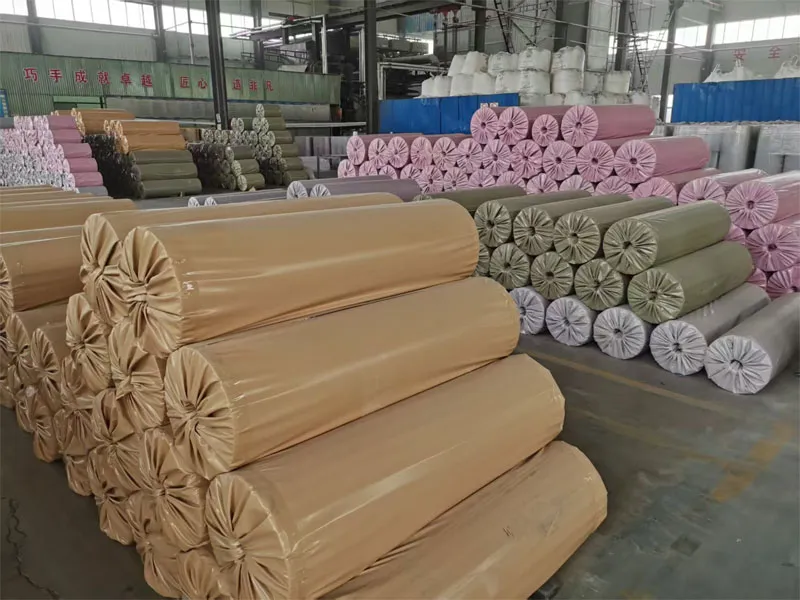
Thin gauge PVC films can be engineered with various additives to achieve specific performance characteristics. UV stabilizers extend outdoor durability, plasticizers control flexibility, and antistatic agents prevent dust attraction. The ability to formulate the film for precise requirements is one reason why thin gauge PVC film remains irreplaceable in many industrial and commercial applications.
The adaptability of thin gauge PVC film allows it to serve a remarkably diverse range of markets. From decorative surfaces in residential interiors to protective layers in electronics manufacturing, the material’s applications continue to expand. The table below summarizes the primary industries and typical use cases:
| Industry | Application | Typical Film Type |
|---|---|---|
| Furniture Manufacturing | Surface lamination for cabinets, tables, and doors | Wood grain film, solid color film, matte film |
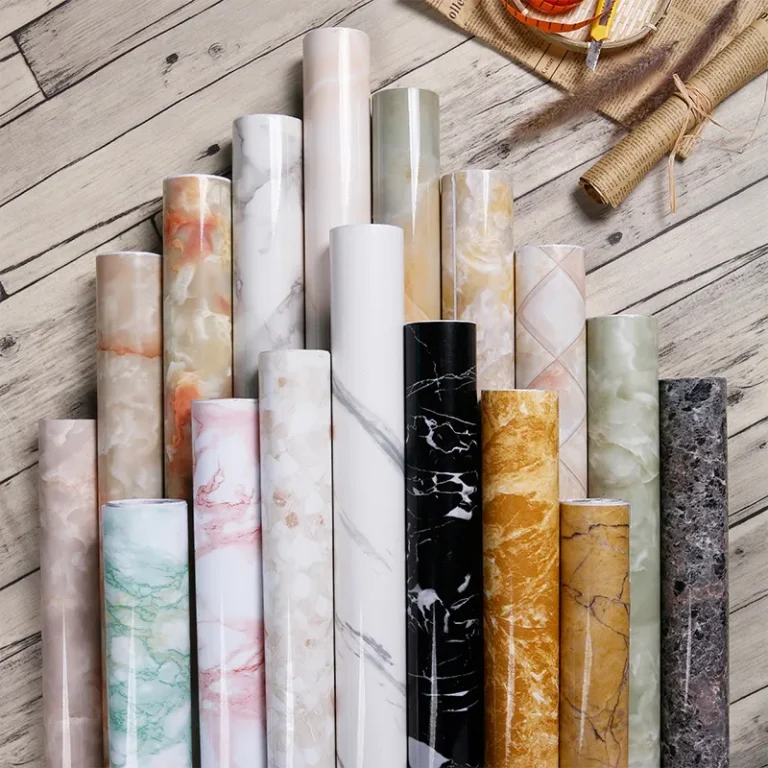
| Building & Construction | Wall coverings, ceiling panels, partition films | Marble film, stone pattern film, embossed film |
| Flooring | Residential and commercial floor decoration | Floor film, wear-resistant film, waterproof film |
| Electronics & Appliances | Protective overlays, insulation, panel decoration | Antistatic film, brushed texture film, transparent film |
| Advertising & Exhibitions | Lightbox displays, exhibition backdrops, signage | Glossy film, pearlescent film, printable film |
| Medical & Packaging | Sterile packaging, protective barriers, isolation film | Transparent film, antibacterial film, multi-layer composite film |
Choosing thin gauge PVC film for your project offers a compelling combination of practical and economic advantages. Here are the key benefits that make this material a preferred choice across industries:
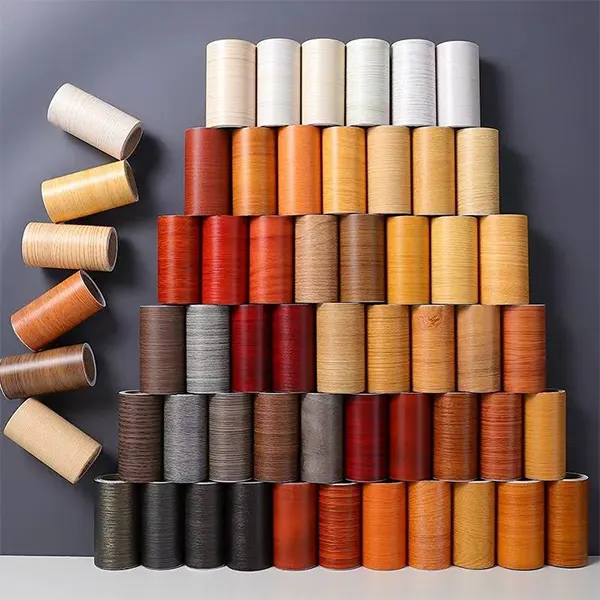
Selecting the optimal thin gauge PVC film requires evaluating several interrelated factors. A systematic approach helps avoid costly mismatches between film properties and application requirements.
Film thickness directly affects durability, conformability, and application method. Thinner films (0.03–0.10 mm) excel in applications requiring flexibility and tight wrapping around curved edges, while thicker films (0.20–0.50 mm) provide enhanced impact resistance and dimensional stability for flat surfaces. Consistent gauge across the roll is critical for uniform lamination results. Standards such as the ISO 4593 thickness measurement standard provide reliable testing methodologies that reputable manufacturers follow.
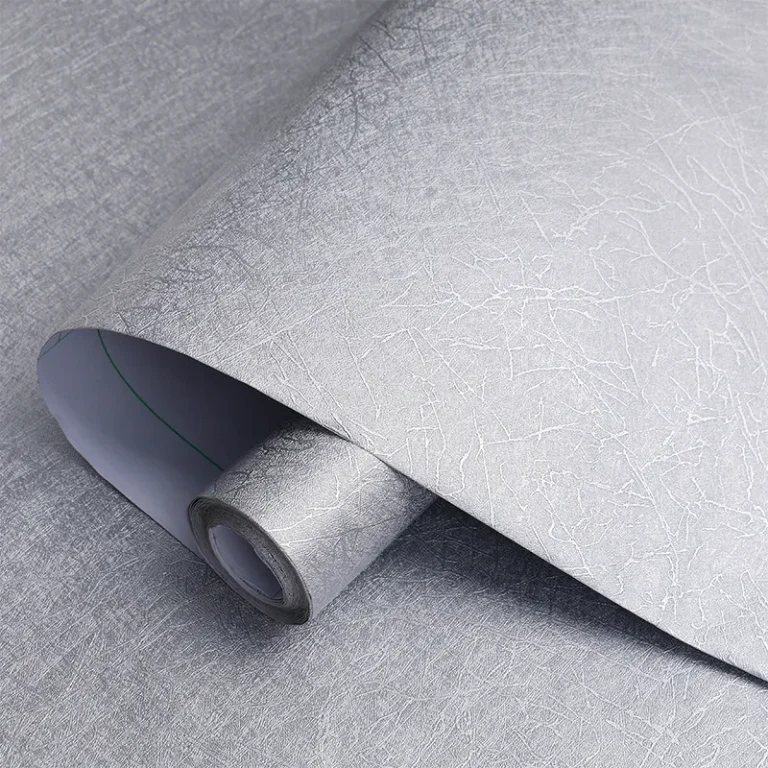
The tactile and visual characteristics of the film surface influence both aesthetics and functionality. Matte finishes hide fingerprints and minor surface imperfections, making them suitable for high-touch applications like furniture. Glossy finishes deliver a premium reflective appearance ideal for appliance panels and decorative accents. Embossed textures—including wood grain, leather, and stone patterns—add depth and realism that flat printing cannot replicate. The ASTM D2457 specular gloss testing standard helps quantify surface finish quality and consistency.
Consider whether the film requires a self-adhesive backing or will be applied using separate adhesives. Self-adhesive films simplify installation for DIY projects and small-scale applications. For industrial lamination, films designed for cold lamination with eco-friendly adhesives or hot lamination using vacuum presses offer stronger, more permanent bonds. Always verify compatibility between the film, adhesive, and substrate material before committing to a full production run.
Evaluate the expected exposure conditions. Indoor applications typically require basic scratch and stain resistance, while outdoor or high-humidity environments demand UV-stabilized and waterproof formulations. For food contact or medical applications, ensure the film meets relevant regulatory requirements. The ASTM D1593 standard for nonrigid PVC film provides a comprehensive framework for specifying material properties and performance expectations.

Professional buyers should familiarize themselves with the key testing standards that govern thin gauge PVC film quality. These internationally recognized benchmarks ensure that purchased materials meet specified performance criteria. The table below outlines essential test categories and their corresponding ASTM and ISO standards:
| Performance Property | ASTM Standard | ISO Standard | What It Measures |
|---|---|---|---|
| Tensile Strength | ASTM D882 | ISO 527-3 | Resistance to breaking under tension |
| Tear Resistance | ASTM D1922 | ISO 6383-1 | Ability to resist tear propagation |
| Dimensional Stability | ASTM D1204 | ISO 11501 | Resistance to shrinkage under heat |
| Impact Resistance | ASTM D1709 | — | Energy required to cause failure |
| Coefficient of Friction | ASTM D1894 | ISO 8295 | Surface slip characteristics |
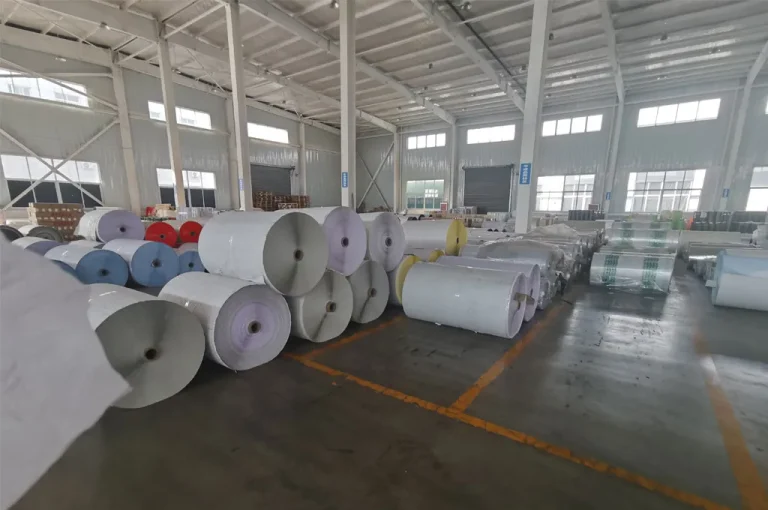
Procurement professionals should prioritize suppliers with full in-house production capabilities—including calendering, printing, and packaging lines. Integrated manufacturing ensures better quality control at every stage and typically results in more stable lead times. Look for manufacturers who offer flexible OEM and customization services, allowing you to specify exact dimensions, colors, textures, and packaging requirements that align with your brand strategy.
One example of a manufacturer with comprehensive in-house production is Henan Pulivk New Materials Co., Ltd., which operates advanced calendering lines capable of producing thin gauge PVC film with precise thickness control and consistent surface quality. The company’s integrated approach—from raw material processing to finished product packaging—demonstrates the type of vertical integration that benefits buyers through cost savings and reliable delivery schedules.
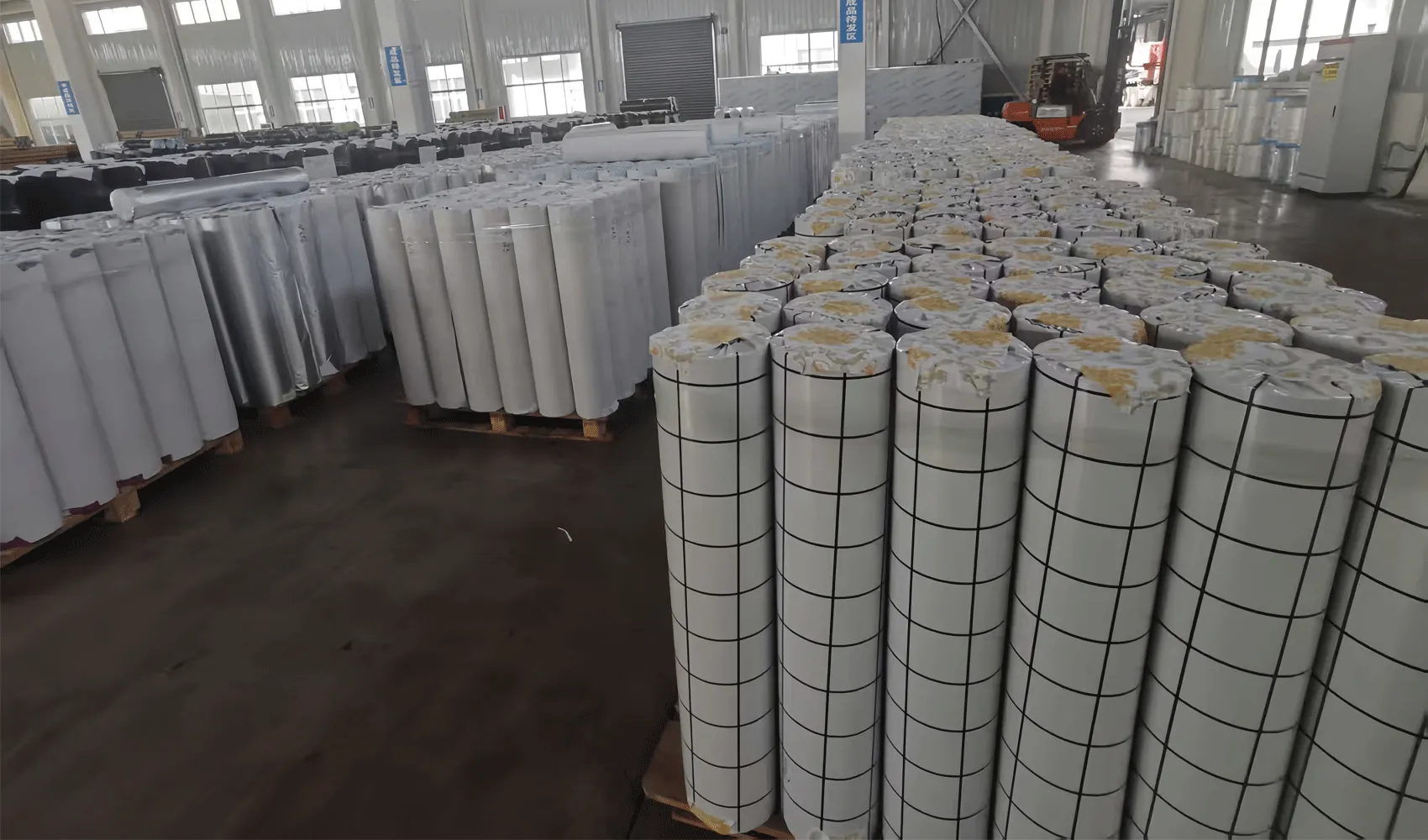
When evaluating potential suppliers, request samples for testing under your specific application conditions. Verify that the manufacturer can provide relevant certifications and test reports. Establish clear communication channels for technical support throughout the product development and production process. A supplier with global export experience and familiarity with international logistics can help streamline cross-border procurement.
Thin gauge PVC film offers an unmatched combination of versatility, affordability, and performance across a broad spectrum of applications. From decorative lamination in furniture manufacturing to protective barriers in medical environments, the material continues to prove its value in both established and emerging markets. By understanding the key selection criteria—thickness, surface finish, adhesive compatibility, and durability requirements—buyers can make confident decisions that optimize both product quality and total cost. Partnering with an experienced manufacturer that maintains rigorous quality standards and offers flexible customization capabilities ensures a reliable supply of film that consistently meets specifications and supports long-term business growth.