Address
304 North Cardinal St.
Dorchester Center, MA 02124
Work Hours
Monday to Friday: 7AM - 7PM
Weekend: 10AM - 5PM
Address
304 North Cardinal St.
Dorchester Center, MA 02124
Work Hours
Monday to Friday: 7AM - 7PM
Weekend: 10AM - 5PM


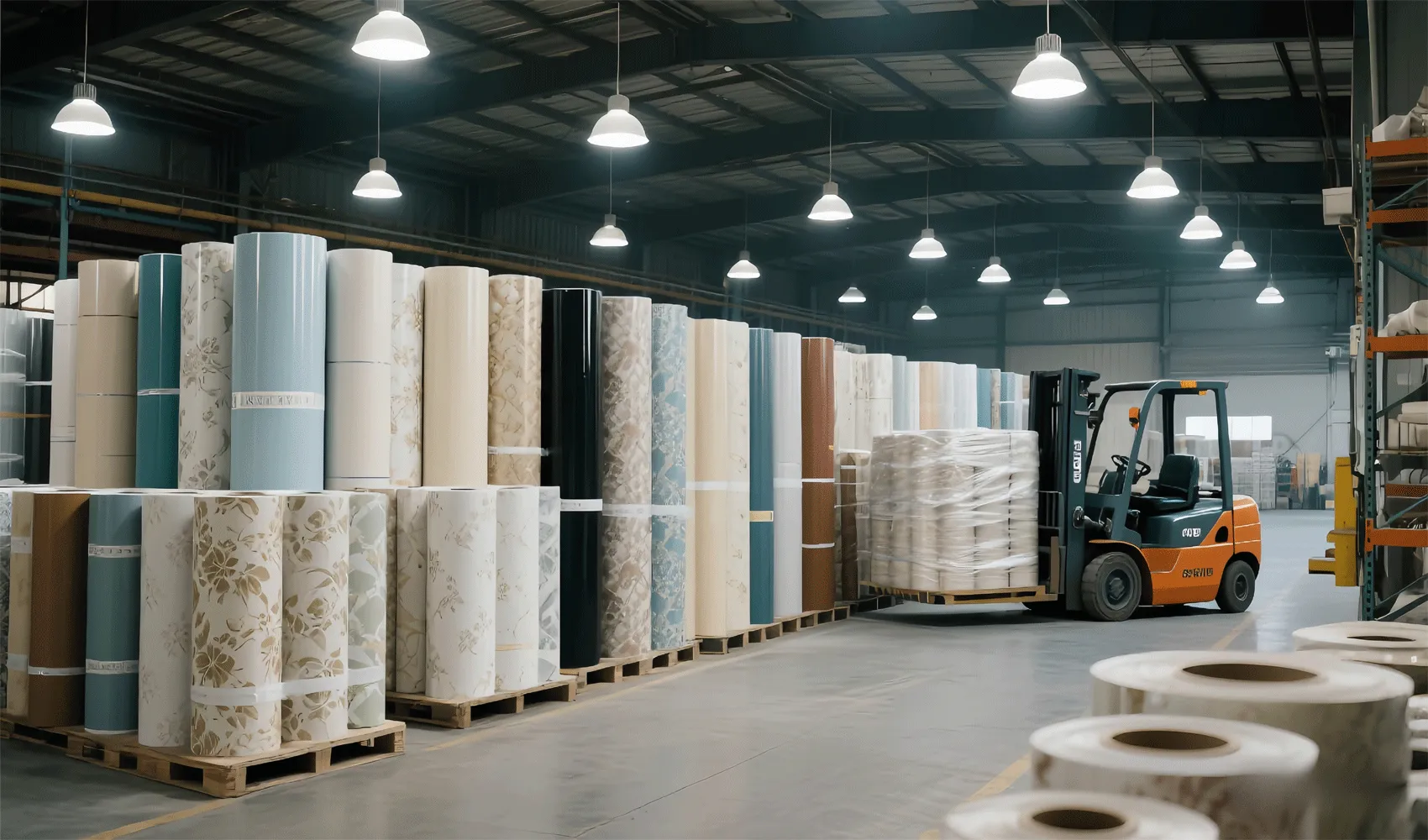
Choosing the right fabric PVC film supplier is not just about finding a roll at a low price—it’s about securing stable quality, consistent coating performance, fast lead times, and a partner that can customize specs for your production reality. Whether you laminate fabric-backed PVC for furniture panels, wall cladding, flooring layers, bags, automotive interiors, or protective coverings, supplier capability directly impacts your yield rate, customer satisfaction, and total cost.
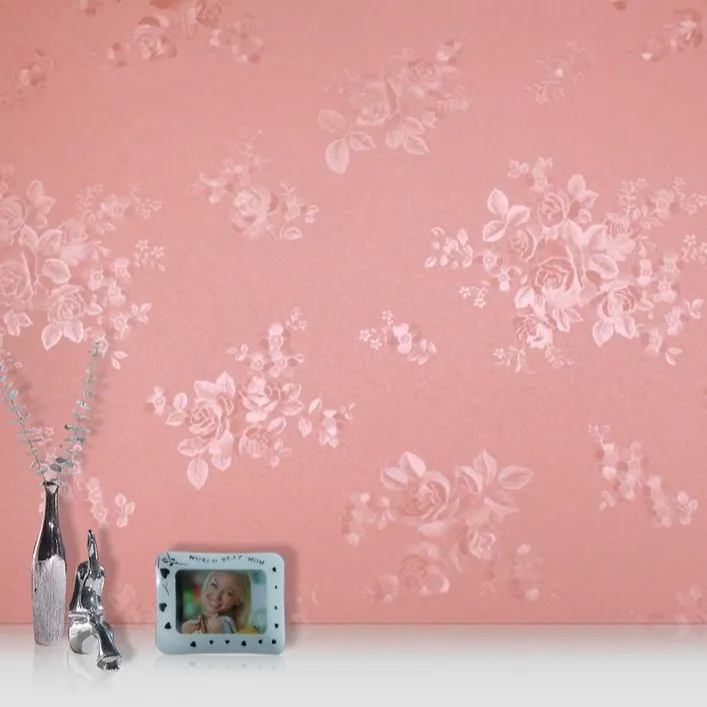
This guide explains what “top” suppliers do differently: quality rolls with tight tolerances, custom coating and surface treatments that match your application, fast delivery supported by production planning, and competitive prices achieved through full-process manufacturing control. You’ll also see what to check before ordering, how to compare quotations fairly, and which film types fit common use cases.
Key idea: A supplier becomes “top-tier” when it can repeatedly deliver the same performance across batches—especially on adhesion, thickness stability, and surface consistency—while supporting customization and predictable shipping.
Fabric PVC film often refers to PVC film designed for lamination or bonding with fabric or textile substrates (or a film that already includes a fabric-like texture). In many real production lines, performance depends on the total structure: base PVC formulation, surface finish, embossing depth, and whether you need special properties like anti-static or easy-clean.
“Quality rolls” means more than a nice sample sheet. In mass production, issues often appear in the middle of the roll: thickness drift, gloss shift, blocking, micro-scratches, or weak adhesion at the edges. The strongest suppliers prevent these issues with process control and inspection points from raw material to final packaging.
🔎 Tip: Ask for the supplier’s QC checkpoints and the exact metrics they record per batch. Serious factories can show batch traceability, in-process measurements, and acceptance criteria.
Custom coating is where top suppliers separate themselves from traders. If your film needs to laminate smoothly, resist stains, reduce fingerprints, or prevent static attraction in electronics packaging, you need the right surface system—not a generic roll.
If you are comparing categories, these pages can help you align naming with real manufacturing types:
Fast delivery is only meaningful when it’s reliable. A supplier that promises “quick ship” but misses schedule can be more expensive than a slightly longer lead time that arrives exactly as planned. Top manufacturers typically achieve stable delivery through complete production lines, smart inventory, and realistic scheduling.
Competitive pricing is not just the lowest number on a proforma invoice. For fabric PVC film, total cost includes conversion waste, defect rates, lamination speed losses, after-sales claims, and the cost of delayed deliveries. The best suppliers win long-term by reducing your operational risk while keeping a strong cost structure through raw material and process control.
Pulivk Film focuses on PVC film R&D and manufacturing across multiple categories, including calendered film, decorative film, flooring film, soft-touch film, and transparent film. With complete production lines for calendering, printing, slitting, and packing, the factory can manage each step from raw materials to finished rolls—supporting stable quality while shortening lead times.
Fabric PVC film is used across industries because it enhances appearance, improves durability, and reduces maintenance. The “best” film is always application-specific: furniture surfaces need pattern realism and scratch resistance; building decoration needs stability and easy cleaning; electronics needs anti-static control; medical/cleanroom needs safer materials and consistent packaging.
🏠 Furniture manufacturing: cabinet doors, wardrobe panels, desktops, and decorative trims—wood grain, cloth grain, matte/gloss options.
🏗️ Building & decoration: wall films, partitions, ceilings—stone grain, waterproof films, artistic textures.
⚡ Electronics & appliances: anti-static films, protective/insulation films, brushed textures for visual upgrades.
🧩 Advertising & exhibition: lightbox films, display background films—color control and print accuracy matter.
🧼 Medical & cleanroom: protective films, clean packaging, optional antibacterial direction for special projects.
Most sourcing problems come from unclear specs. If you want a supplier to deliver exactly what your line needs, define requirements in a production-friendly way: end-use, lamination method, target feel/gloss, thickness range, roll dimensions, and any compliance requirements. Then confirm by sample and pre-production sign-off.
For sample requests, quotations, or OEM discussions, share your target application, thickness/width, finish, and estimated order quantity so the supplier can match the right formulation and coating system.
PVC film is a thin polyvinyl chloride sheet used for decoration, protection, and functional surfaces. It’s common in furniture panels, wall and ceiling decoration, flooring layers, electronics protection, advertising displays, and packaging.
Yes. OEM/ODM suppliers typically support customization for thickness, width, roll size, color/pattern, embossing, and surface treatments such as anti-static, anti-fog, glossy/matte, or other functional coatings.
MOQ and lead time depend on film type, color/pattern complexity, embossing/tooling needs, and whether special coatings are required. Many manufacturers can support trial orders first, then scale to mass production.
Consistency comes from raw material control, in-line monitoring (thickness/defect/color), finished roll testing (adhesion, strength, optics), and traceable batch records—plus export-grade packing to prevent damage in transit.
Many suppliers can provide compliance support such as ISO systems and material compliance (e.g., REACH/RoHS/FDA) depending on the project. Always confirm required standards upfront and request test reports when needed.