Address
304 North Cardinal St.
Dorchester Center, MA 02124
Work Hours
Monday to Friday: 7AM - 7PM
Weekend: 10AM - 5PM
Address
304 North Cardinal St.
Dorchester Center, MA 02124
Work Hours
Monday to Friday: 7AM - 7PM
Weekend: 10AM - 5PM


Sourcing PVC film from China has become the default choice for many global importers, brand owners, and converters—not only because of factory pricing, but also because China’s manufacturing ecosystem supports fast customization, stable output, and a wide range of finishes (wood grain, marble, soft-touch, anti-static, self-adhesive, and more). This guide explains how to identify reliable PVC film manufacturers in China, what “factory-direct” really means, and how to secure consistent quality for furniture, construction, electronics, advertising, medical, and home applications.
✔ Quick takeaway:
The best suppliers combine full-process production (calendering → printing → slitting & packing), clear QC traceability, and OEM/ODM flexibility—so you get stable lead times, predictable color, and lower total landed cost.
Buyers in Southeast Asia, the Middle East, Europe, and beyond often rely on China for PVC film because the supply chain is dense: raw materials, rollers, embossing cylinders, inks, adhesives, and packaging are accessible within the same industrial clusters. That density translates to faster iteration and more surface options without pushing costs too high.
★ Cultural fit for international sourcing:
Many Chinese factories are accustomed to working across time zones and documentation requirements. For example, European buyers often prioritize REACH/RoHS documentation, while Middle East projects may focus on durability in high heat and consistent batches for large-volume interior work. A mature exporter can align sampling, approvals, and shipping schedules with these purchasing habits.
★ Speed matters:
From pattern approval to mass production, strong suppliers can shorten development cycles by controlling printing and slitting in-house, reducing dependency on outside subcontractors.
A reliable PVC film manufacturer is measured by repeatability—not a one-time sample win. In real purchasing, what protects your profit is the ability to reorder the same color, gloss level, and embossing feel months later, and still match your boards, panels, or laminating line settings.
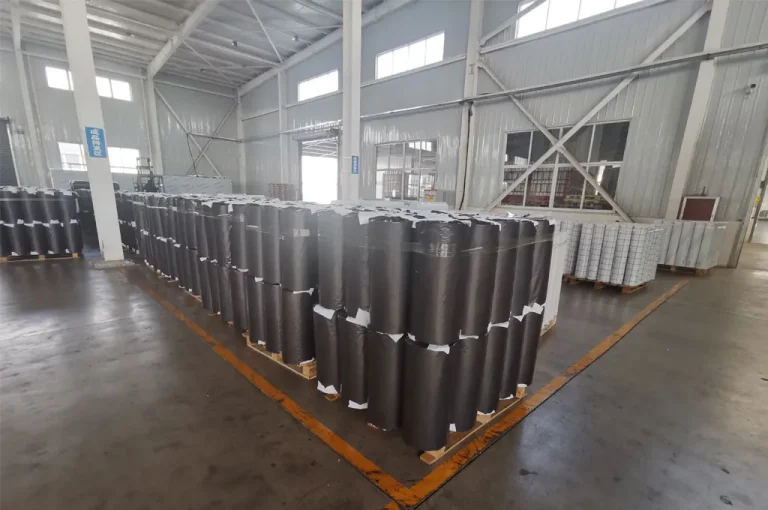
Prefer factories that operate their own calendering, printing, slitting, and packing. This reduces handoffs, stabilizes lead times, and improves accountability when issues occur. Pulivk Film, for instance, produces from raw material processing through finished rolls, covering transparent, frosted, embossed, pearlescent, colored, anti-static, and self-adhesive films, as well as single-layer and multi-layer structures.
“Custom” should mean more than printing a pattern. In practical terms, it includes thickness, width, roll length, surface treatments (glossy/matte, anti-fog, anti-static), adhesive systems for self-adhesive films, and export-ready packaging. A capable manufacturer will propose workable specs instead of simply “yes” to everything.
For many importers, compliance is a purchasing gate. Strong PVC film suppliers can provide third-party reports and align with ISO 9001/14001, REACH, RoHS, and, where relevant, FDA. Also confirm claims like “phthalate-free” or “no heavy metals” with documentation—not just marketing text.
🔎 Buyer tip:
Ask for a batch traceability method (roll labels, QC sheets, lot numbers). This is the simplest way to reduce disputes when you reorder or when a local installer reports a mismatch.
Chinese manufacturers typically cover both base material production and decorative/functional finishing. When selecting a supplier, choose based on your downstream process (lamination, wrapping, vacuum pressing, flat pressing, cutting, or direct application).
Calendered film is widely used as a base for printing and embossing because it can deliver consistent thickness and surface uniformity for mass production.
If you’re comparing suppliers, review their calendering stability and thickness tolerance, then check how they pack and protect rolls for export.
For reference, see Calendered Film.
Decorative PVC films typically include wood grain, marble/stone, metal looks, solid colors, and artistic textures. These are commonly used for cabinet doors, wardrobes, wall panels, partitions, and commercial interiors. For markets that emphasize “warm home feeling” (common in many European and Southeast Asian retail preferences), natural wood tones and matte finishes often outperform high-gloss in long-term satisfaction.
Recommended high-demand SKUs:
• Wood Grain Film for cabinets, doors, and furniture wrapping
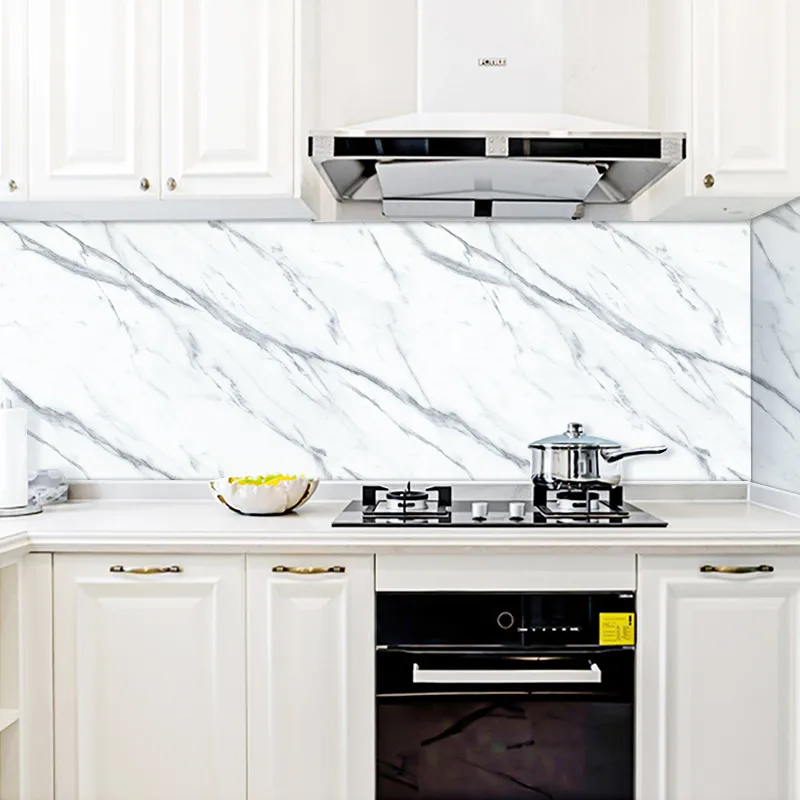
• Marble Film for wall panels, retail spaces, and decorative boards
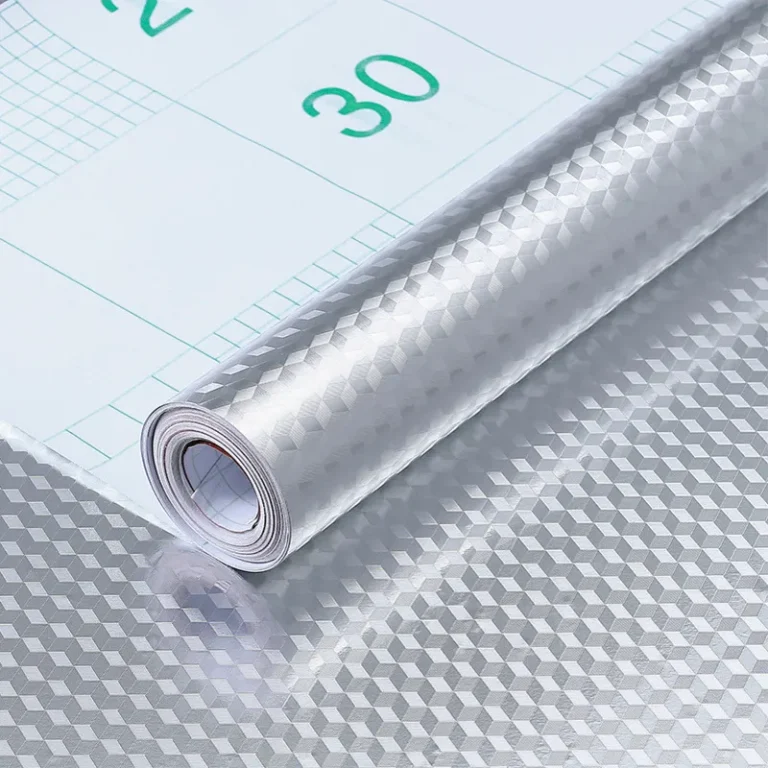
• 3D Silk Texture Film for premium tactile upgrades (soft visual, upscale feel)
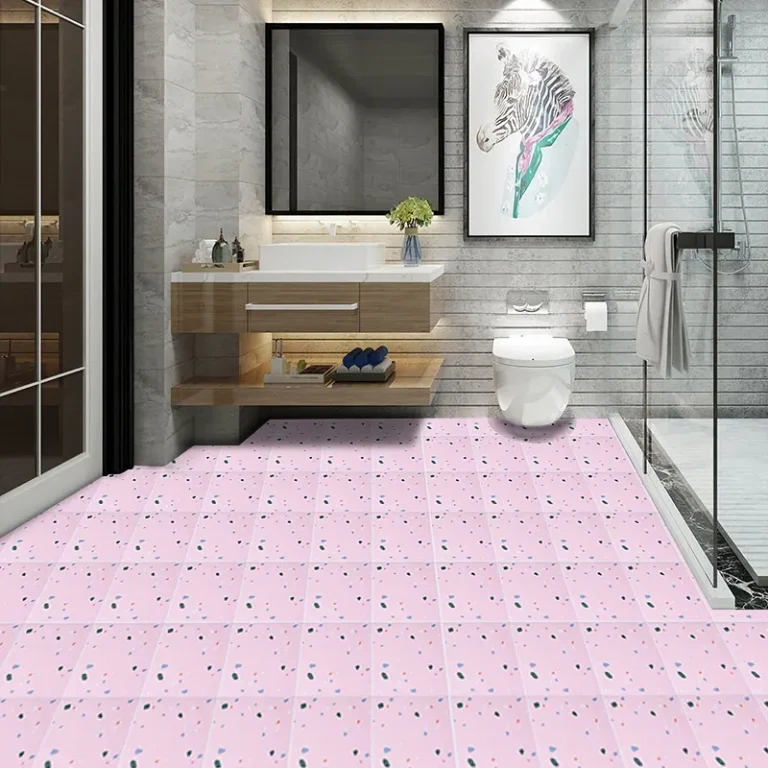
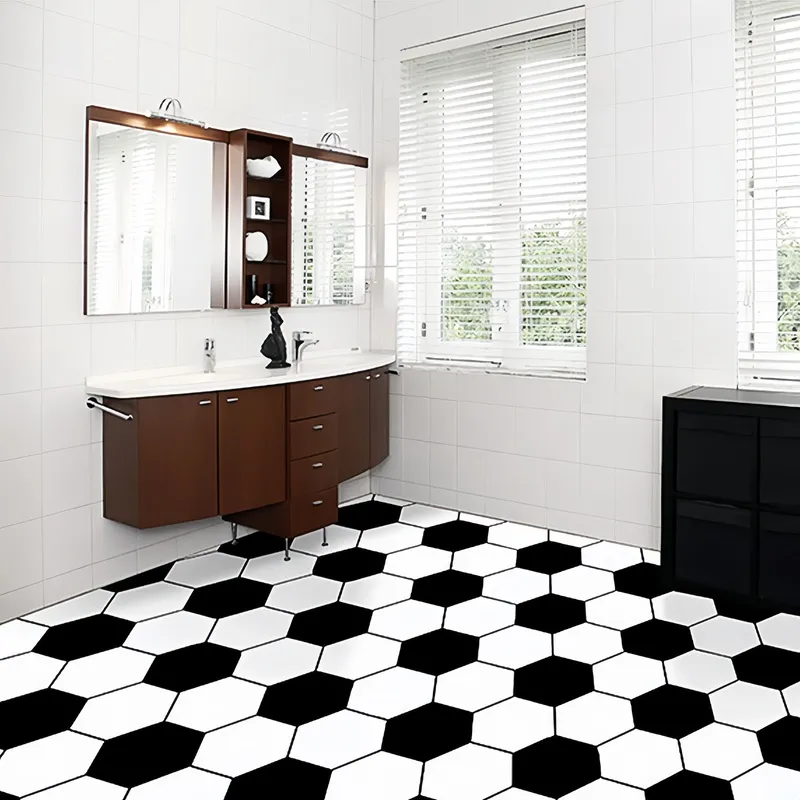
For flooring, film must balance wear resistance, dimensional stability, and sometimes anti-slip performance depending on local codes and usage. If you target kitchen and commercial areas, prioritize stain resistance and easy maintenance, especially in regions where frequent wet cleaning is common.
You can explore common solutions like Floor Film.
While the market has many suppliers, the strongest manufacturers share similar capabilities. Pulivk Film is an example of a factory built around R&D + production integration, offering calendered and decorative PVC films for furniture, construction, electronics, advertising, medical, and home industries. Product coverage includes transparent, matte, embossed, pearlescent, colored, anti-static, self-adhesive films; plus composite structures and special-use films such as isolation and automotive-related applications.
Export reliability is not only “making film,” but also protecting film. Rolls should be slit to spec and individually wrapped with dust-proof PE film or kraft paper, then labeled clearly (spec, lot, direction). This reduces claims from edge damage, contamination, and warehouse mixing.
Many projects now require low-odor materials and safer inks for indoor applications. Reputable factories use eco-friendly, non-toxic inks and maintain performance under harsh conditions, supporting longer service life in real installations.
⚙ Key advantages to look for:
in-house production, cost control from raw materials and process, strong customization, stable lead times, multi-step QC, and proven export experience.
When you compare “top” manufacturers, use an evaluation process that mirrors your real business risk: color deviation, adhesion failure, curl, shrinkage, surface defects, or inconsistent embossing depth. Below is a buyer-ready checklist.
Ask whether sample rolls are made on the same line and process settings as mass production. Confirm if the supplier can provide: target thickness range, gloss reading method, and ΔE color tolerance standards (or at least an agreed visual standard under defined lighting).
Different industries require different “must-haves.” For furniture wrapping, you may prioritize thermoforming behavior, scratch resistance, and consistent embossing. For electronics, anti-static and insulation matter. For medical/cleanroom packaging, cleanliness and compliance are key. A strong manufacturer will recommend surface treatments such as anti-static, anti-fog, or functional coatings based on your use case.
Confirm whether QC checks cover raw material intake, in-process monitoring, and final inspection. Typical controls include thickness, tensile strength, adhesion (for self-adhesive), optical clarity (for transparent film), and defect scanning. Also ask if they support third-party inspection before shipment.
If you cannot travel, request a live video factory tour covering calendering/printing lines, warehouse labeling, QC lab, and packing area. The best exporters can walk through your exact process step-by-step and show how they prevent mix-ups.
“Factory price” is not a single number—it’s the result of specification and risk allocation. Two quotes can differ significantly if one includes tighter thickness tolerance, custom embossing, higher-grade inks, or stronger packing. Negotiation works best when you clarify what you truly need.
Cost drivers you should confirm in writing:
• Thickness, width, and roll length (tolerance affects waste rate)
• Surface finish (matte/gloss), embossing cylinder choice, and printing layers
• Functional coatings (anti-static, anti-fog, etc.)
• Packaging standard (individual wrap, edge protectors, pallet type)
• Lead time and production slot priority (rush orders may cost more)
Custom PVC film projects typically fail or succeed based on communication details. To reduce back-and-forth and speed approvals, prepare a “spec pack” for the supplier: application method, substrate type (MDF, particle board, metal, glass, etc.), target look/feel, desired gloss, and expected environment (heat, humidity, cleaning chemicals).
Strong Chinese manufacturers commonly support customization across:
size (width/length),
thickness,
color & pattern,
printing method,
surface texture,
and packaging.
If you need consistent branding across multiple product lines, ask for color matching and a retained master standard.
📌 Implementation note:
For decorative films like wood grain and marble, insist on a repeat plan (repeat length, pattern direction, and roll join rules). This is especially important for large wall panels and cabinetry projects where installers expect continuity.
PVC film is used across many industries because it combines aesthetic flexibility with protective performance and efficient processing. Below are common matchups that help buyers select the right film family and finish.
Wood grain, cloth grain, cabinet door films, tabletop films—chosen for visual realism, scratch resistance, and easy cleaning.
Wall films, stone grain, partition films, ceiling films—often specified for fast renovation cycles and consistent batch delivery on large projects.
Anti-static films, protective films, insulation films, brushed textures—selected for functional coatings and stable processing.
Lightbox films, advertising sticker films, exhibition background films—where print clarity and consistent color are critical.
Protective films, clean packaging films, antibacterial films—often requiring compliance documentation and process stability.
Tablecloth films, waterproof shower curtain films, window films, floor protection films—where odor control and durability matter for consumer satisfaction.
If you want consistent shipments from China, set a repeatable workflow with your chosen manufacturer. This reduces surprises and shortens your reorder cycle.
Step-by-step workflow (buyer-friendly):
1) Confirm application + base spec (thickness/width/finish)
2) Approve lab dip / pattern proof + tolerance rules
3) Receive sample rolls made with production-equivalent settings
4) Lock packaging, labels, and inspection checklist
5) Mass production + optional third-party pre-shipment inspection
PVC film is a thin sheet made of polyvinyl chloride used for decorative, industrial, and packaging purposes—such as furniture wrapping, doors, flooring surfaces, protective layers, and self-adhesive applications.
Yes. Many manufacturers support OEM/ODM customization by thickness, width, roll size, color/pattern, surface texture, coatings (anti-static/anti-fog), and packaging—provided your requirements are clearly documented and sampled.
MOQ depends on film type, specification, and customization level. Many suppliers can support trial orders for evaluation and scale up after approval.
Use written tolerances (thickness, gloss, color), request batch traceability labels, approve production-equivalent samples, and align on packaging and inspection standards before mass production.
Many experienced exporters ship worldwide via sea or air and provide export-ready packaging with moisture and damage protection, plus documentation support for customs clearance.