Address
304 North Cardinal St.
Dorchester Center, MA 02124
Work Hours
Monday to Friday: 7AM - 7PM
Weekend: 10AM - 5PM
Address
304 North Cardinal St.
Dorchester Center, MA 02124
Work Hours
Monday to Friday: 7AM - 7PM
Weekend: 10AM - 5PM


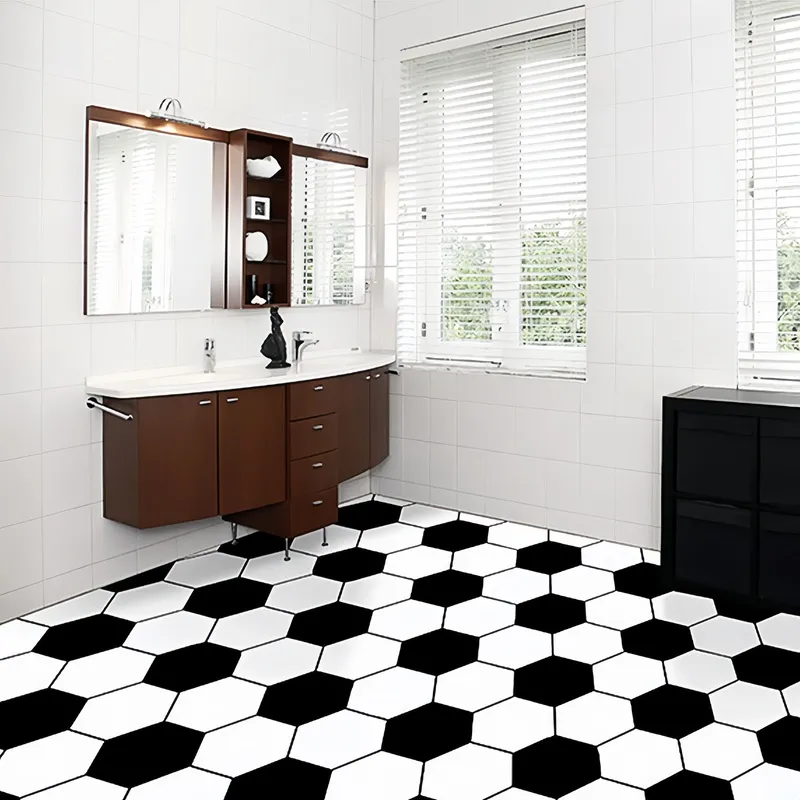
Choosing the right PVC film roll manufacturer is not only about finding the lowest quote—it’s about building a supply chain that stays stable when orders scale, patterns change, and delivery windows tighten. Whether you buy PVC decorative film for furniture, calendered film for industrial use, or specialty surfaces like soft-touch and anti-static, the “best” supplier is the one that can deliver consistent quality, repeatable color/pattern, and reliable lead times at a price structure that makes sense for your market.
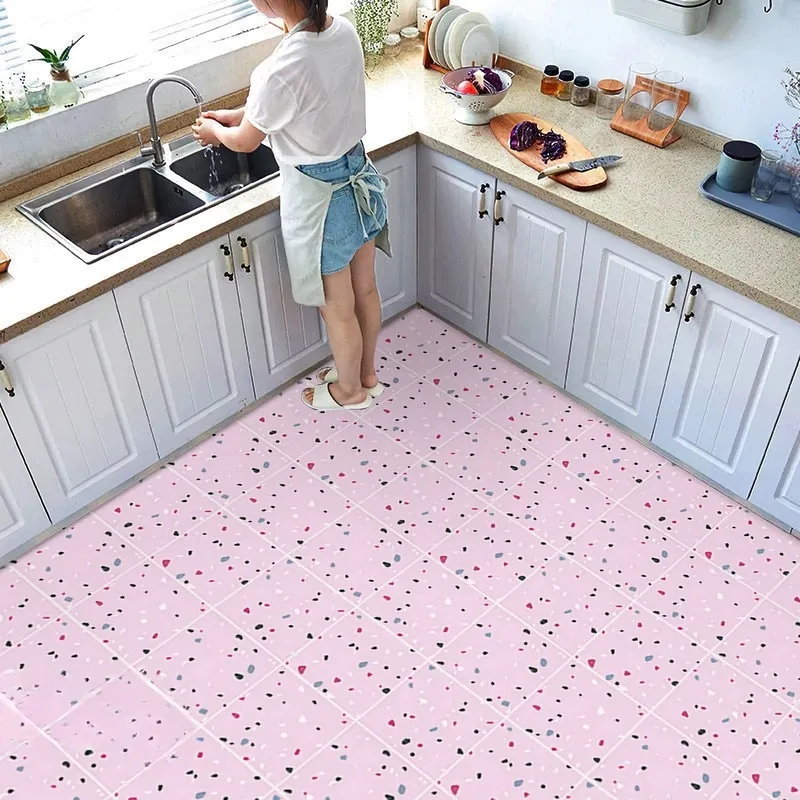
This guide explains how to evaluate top PVC film roll manufacturers and how to qualify reliable suppliers with fewer surprises—covering production capability, quality systems, customization, compliance, pricing logic, and practical steps to verify performance before you commit to long-term purchasing.
Key takeaway:
a “top manufacturer” is measurable—by process control, testing, traceability, and on-time delivery—not by a catalog photo.
✔ Look for end-to-end production (calendering/printing/slitting/packing)
✔ Demand clear specs and tolerances
✔ Verify compliance and batch consistency
Strong PVC film suppliers tend to share a few operational traits that directly affect your incoming quality and total landed cost. When you compare manufacturers, focus on these fundamentals rather than surface-level marketing claims.
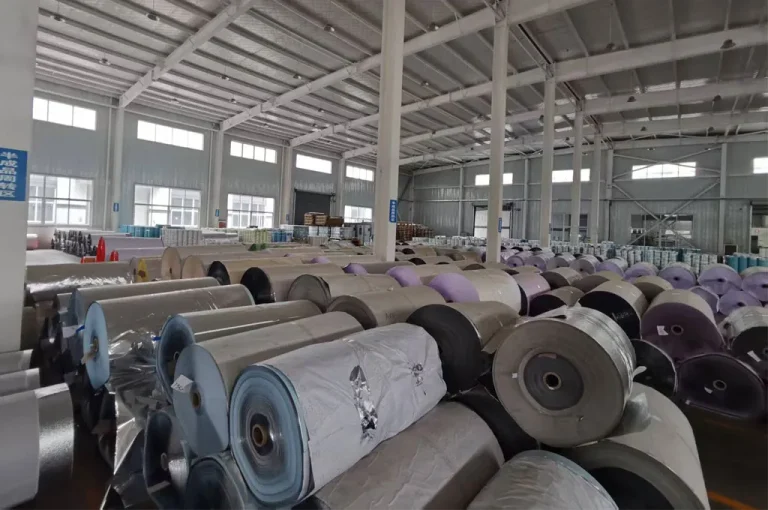
Manufacturers that handle calendering, printing, and slitting/packaging in-house can control variability, shorten lead time, and reduce coordination risks across subcontractors.
“Good today” is not enough. Top manufacturers build repeatability through multi-stage inspection, batch records, and measurable parameters (thickness, adhesion, gloss, haze, tensile, dimensional stability).
Proper roll protection (dust-proof wrap, kraft/PE, labeled specs, moisture resistance) reduces transport damage and claim disputes—especially for printed decorative surfaces.
To choose a reliable PVC film roll supplier, define your application first. “PVC film” can mean a wide range of structures and surfaces—calendered, embossed, laminated, self-adhesive, anti-static, soft-touch, transparent, and more. A supplier that excels in one category may not be the best match for another.
For example, if you need stable base material for downstream converting, Calendered Film suppliers should be judged heavily on thickness tolerance and roll flatness. If you sell premium decorative surfaces, a texture-oriented product like 3D Silk Texture Film requires tighter control over emboss depth, gloss uniformity, and color repeatability.
A supplier can claim high capacity, but what matters is whether they can keep your product stable when you reorder. Use the checks below to quickly separate “traders with a factory photo” from actual manufacturing control.
Ask directly whether the manufacturer operates a complete line from raw material handling to finished rolls. In-house calendering, printing, and slitting/packaging generally improves:
lead time predictability, defect containment, and cost efficiency.
Reliable PVC film roll manufacturers run QC as a system, not as a final inspection. You want evidence of checks from incoming raw materials through in-process measurements to final roll review. If your film is used for visible surfaces (furniture, wall panels, skirting), prioritize appearance-related controls such as gloss, color delta, emboss uniformity, and print registration.
Pro tip:
Require suppliers to define acceptable tolerances in writing (e.g., thickness deviation, width tolerance, core ID/OD, splice rules, acceptable minor defects per roll).
This reduces disputes and makes incoming inspection faster.
Professional factories pack each roll in a way that fits export logistics: dust-proof wrapping (PE film or kraft), specification label, and protection against moisture and edge damage. This matters more than many buyers expect—especially for glossy or soft-touch films that show scratches easily.
Many buyers source internationally and can’t visit every candidate. You can still verify capability through structured sampling and documentation. A strong supplier should be comfortable with transparency—especially if they offer virtual factory tours and third-party testing support.
Request samples that match your real production conditions: same thickness, width, surface, adhesive (if any), and intended lamination method. Ask for two lots if possible to check batch consistency.
Define tests that reflect the application: adhesion, heat resistance, dimensional stability, odor/VOC expectations for indoor use, anti-static performance, scratch resistance, and visual evaluation under consistent lighting.
Ask for ISO system certificates, REACH/RoHS/FDA statements where relevant, and batch traceability format. Strong suppliers can provide third-party reports when needed.
PVC film roll pricing varies based on resin grade, plasticizer system, surface treatment, printing complexity, embossing, thickness, roll width/length, packaging, and QC level. The cheapest offer often hides risks: unstable raw material sourcing, weak process control, or inconsistent ink systems that shift color from batch to batch.
If you purchase decorative series for interior finishing—such as skirting, wall surfaces, or cabinets—consider standardizing a small set of base constructions and changing only the pattern layer. For instance, a consistent base can be paired with products like PVC Skirting Film or Wood Grain Film to reduce re-qualification time and stabilize costs.
Many buyers choose OEM/ODM to differentiate in competitive markets. Customization is also where supply risk rises: color matching can drift, patterns can repeat incorrectly, and packaging changes can create damage during shipping. A reliable manufacturer should support customization with a controlled approval process.
For indoor decoration, furniture surfaces, healthcare environments, or anywhere films may contact people during use, compliance is not optional. Buyers increasingly require materials that are free of heavy metals and restricted substances, with documentation aligned to market expectations (e.g., REACH, RoHS, FDA where applicable).
Material safety statements, compliance declarations (REACH/RoHS/FDA if relevant), ISO system certificates, and the ability to provide third-party test reports on demand.
Lead time reliability is often more valuable than a small unit-price discount. If your customers run project-based timelines (construction fit-outs, furniture production, retail rollouts), late film deliveries can create cascading delays and penalty costs.
Even if samples look acceptable, operational red flags often predict future issues. Use these warning signs as a quick filter before you invest time in approvals.
If you are building a supplier list for long-term purchasing, standardize your qualification workflow. This makes evaluation fair across manufacturers and reduces emotional decision-making based on price alone.
The best supplier for a premium brand may not be the best supplier for a price-driven distribution channel. Align supplier selection with how you win in your market:
premium appearance, fast delivery, customization breadth, or stable commodity supply.
Prioritize print/emboss control, gloss uniformity, and strict defect standards. Ask about color management and repeatability across reorders.
Prioritize planning discipline, stocked bases, and fast slitting/packing. Confirm realistic lead times and shipping options.
Focus on stable base constructions, reduced SKU complexity, and clear tolerances. The goal is to prevent hidden costs from rework, claims, and inconsistent batches.
Send film type, thickness, width, roll length, surface finish (gloss/matte/emboss/soft-touch), color/pattern reference, quantity, and your shipping terms (FOB/CIF/DDP). Include your application so the supplier can recommend the right structure.
Confirm tolerances in writing, approve a master sample, specify lighting conditions for evaluation, and require batch traceability. For decorative films, ask for a pre-production confirmation before mass printing.
Common requests include ISO 9001 and ISO 14001, plus REACH/RoHS and FDA statements where applicable. If your market has stricter indoor requirements, ask for third-party test reports.
MOQ depends on film type, thickness, printing/customization complexity, and whether the supplier needs to set up embossing or printing parameters. Many manufacturers can support trial orders, but custom patterns usually require higher minimums.
Request a live video tour, review process documents and QC records, run a structured sampling plan (ideally two lots), and place a pilot order to evaluate consistency, packaging, and delivery performance.