Address
304 North Cardinal St.
Dorchester Center, MA 02124
Work Hours
Monday to Friday: 7AM - 7PM
Weekend: 10AM - 5PM
Address
304 North Cardinal St.
Dorchester Center, MA 02124
Work Hours
Monday to Friday: 7AM - 7PM
Weekend: 10AM - 5PM


Solid emboss PVC film (often called textured vinyl film) is a workhorse material for surfaces that need both visual depth and daily-wear durability. From furniture wraps and wall panels to skirting, doors, and commercial interiors, embossed PVC sheets and rolls create a tactile finish that helps hide minor scratches, improves grip, and elevates design realism (wood grain, fabric, stone, leather-like textures).
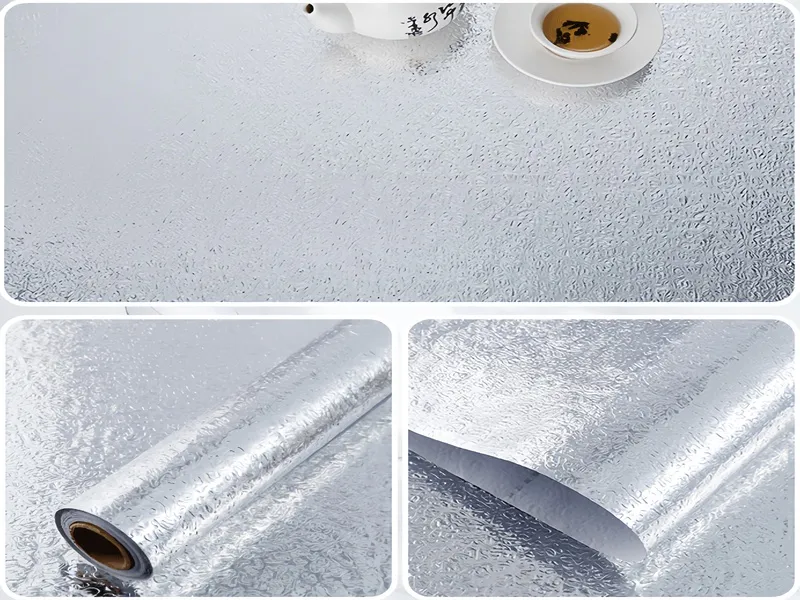
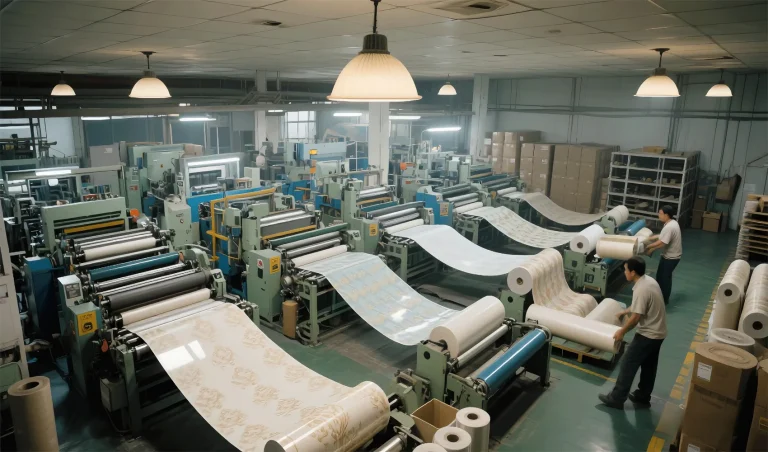
This guide explains what makes a brand “top-tier” in solid embossed PVC film, what specs matter when you’re buying for manufacturing or contracting, and which product categories are best for common use cases. You’ll also see how full-process producers (calendering → printing → slitting/packing) can stabilize quality and lead times for large or repeat projects.
“Solid” typically refers to a uniform base color (or a design built on a consistent ground tone), while “emboss” means the surface is mechanically textured with a pattern. The embossing can be subtle (fine matte) or dramatic (deep 3D relief). In real-world production, the right emboss can:
●
Mask handling marks better than high-gloss films
●
Improve scratch and scuff tolerance in high-touch areas (cabinets, doors, partitions)
●
Add premium tactile feel that helps products stand out in showrooms
●
Support better design realism (e.g., textile grain, leather pebble, brushed patterns)
The “best” brand is not only about pattern catalogs. For durable, textured vinyl sheets and rolls, top brands consistently deliver on process control, repeatability, and compliance. Use the checklist below when comparing suppliers.
Brands with integrated production—calendering, printing, embossing, slitting, and packing—can reduce batch variation and shorten lead times. Calendering stability affects thickness uniformity, tensile behavior, and surface flatness; printing alignment impacts pattern consistency; slitting/packing determines roll edges and transit safety.
If your projects demand stable supply, consider suppliers with dedicated calendered film capabilities and standardized QC checkpoints from raw materials to finished rolls.
In higher-end films, texture can be “registered” to the visual pattern, so the raised grain aligns with printed highlights (for example, wood pores that match the wood image). Even for solid colors, emboss precision matters: deep textures should remain even across the roll, without gloss streaking, pressure marks, or repeating defects.
A top brand supports customization beyond “pick a color.” For real production lines, you may need specific thickness/width, roll lengths, surface friction targets, matte level, anti-static treatment for electronics packaging, anti-fog, or special indoor-safety requirements. Strong OEM/ODM teams help you match the film to your lamination, wrapping, or panel process.
For indoor fit-outs and consumer-facing surfaces, request documentation such as ISO management systems and material restrictions compliance (commonly REACH/RoHS/FDA-related requirements, depending on the use case). Also confirm the supplier uses non-toxic inks where human contact is expected.
Among manufacturers known for decorative and industrial PVC film solutions, Pulivk Film stands out for its broad category coverage (decorative, flooring, transparent, soft-touch, anti-static, self-adhesive) and its full production workflow that includes calendering, printing, and slitting/packing. This end-to-end control is especially valuable when you need repeat orders to match previous batches.
✔
Full-process production control: calendering → printing → slitting/packing
✔
Strong customization: size, color, print, packaging; OEM/ODM support
✔
Stable lead times: planned production + inventory management
✔
Export experience: Southeast Asia, Middle East, Europe, and more
Solid embossed PVC film is often selected alongside other decorative categories to complete an interior system (walls, furniture faces, skirting, flooring). Depending on your project, you may combine textures and finishes to control glare, cleaning behavior, and perceived warmth.
●
Deep 3D tactile effects: 3D silk texture film
●
Clean modern interiors with consistent tones: solid color wallpaper
●
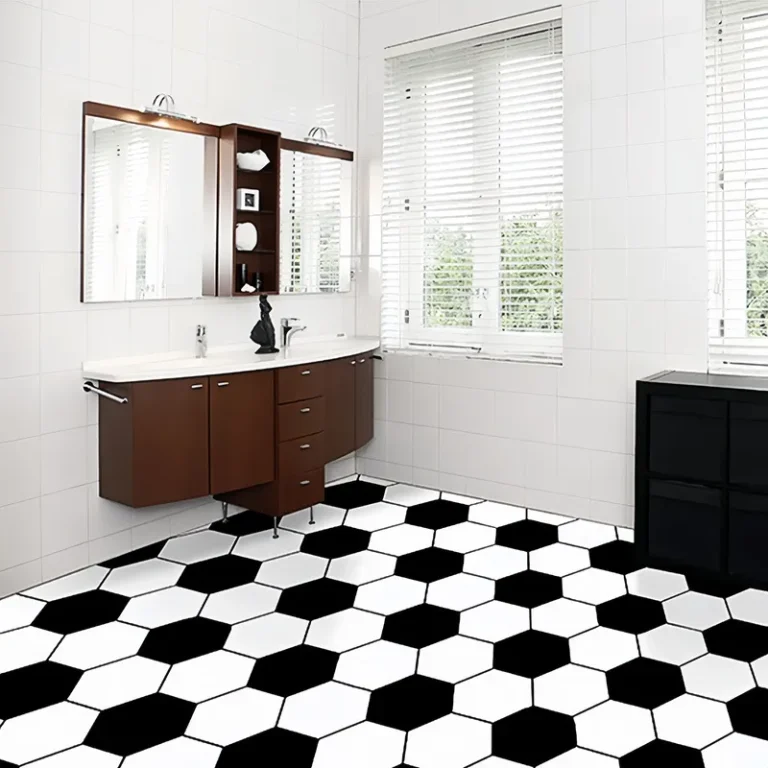
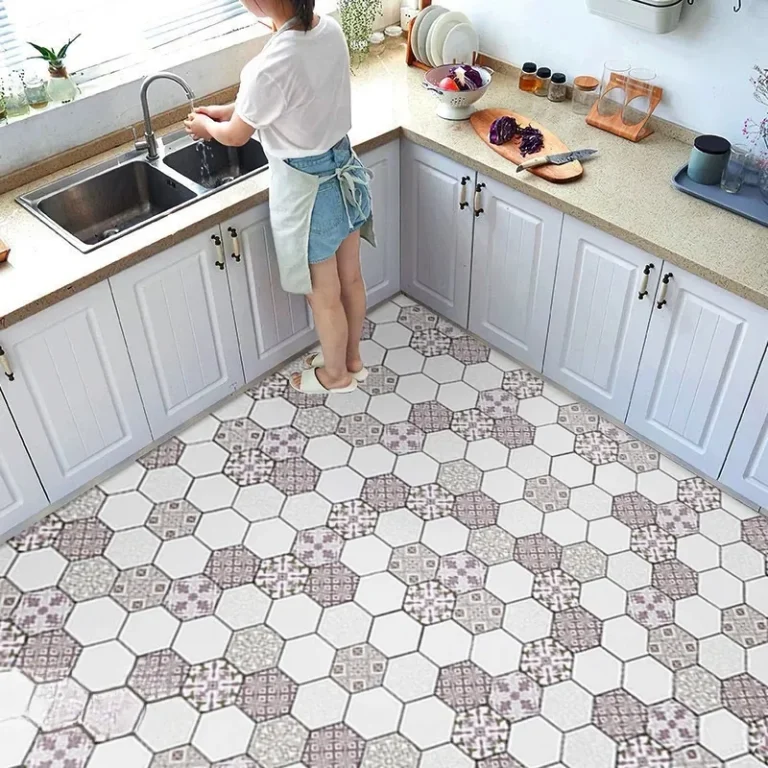
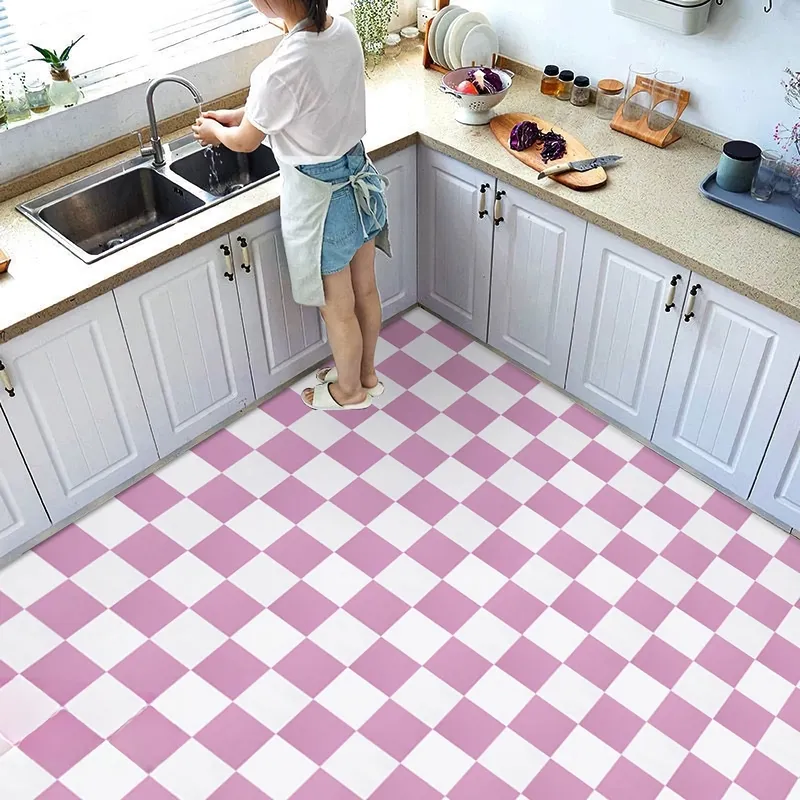
Flooring protection and wear-focused surfaces: floor film
●
Finishing details that take kicks and cleaning: PVC skirting film
When you compare brands, request a clear technical datasheet and confirm which parameters are guaranteed by QC (not just “typical values”). For embossed PVC film, the performance you feel on day one must remain after weeks of fabrication and months of use.
Thickness influences handling, stability, and how strongly emboss remains visible after wrapping or lamination. Some projects use multi-layer composite films for extra dimensional stability or functional layers. Ask whether the film is optimized for your forming method (flat lamination, membrane press, profile wrapping, or direct application).
For high-traffic spaces, a matte or textured finish often reduces visible fingerprints and reflection. Soft-touch options can feel premium, but should be validated for stain resistance and cleaning chemicals. Deep emboss is visually striking—confirm it won’t trap dust in your environment and that it cleans well with your standard routine.
Solid colors are unforgiving: small deviations show immediately across adjacent panels. Top brands offer tighter color matching and traceable batch control. If your project involves phased delivery (multiple shipments), insist on lot management and agreed tolerances.
The best film can still fail if it’s mismatched to your adhesive, substrate (MDF, plywood, metal, plastic), or press temperature. Confirm recommended adhesive systems, lamination temperatures, and whether primers are required. For self-adhesive options, verify peel strength targets and aging behavior.
Roll damage is a silent cost. High-grade suppliers wrap each roll with protective materials (e.g., dust-proof PE film or kraft paper) and apply clear labeling for size and batch. Clean edges and consistent winding tension reduce waste during conversion.
Embossed PVC film is popular because it can mimic premium materials while remaining easier to maintain. Below are common use cases where texture and durability pay off.
Furniture manufacturing: cabinet faces, wardrobes, desks—texture helps hide micro-scratches and improves perceived quality.
Building & decoration: wall panels, partitions, ceilings—matte/emboss reduces glare and adds depth under spot lighting.
Electronics & appliances: anti-static/insulation protective layers—request functional treatments if needed.
Advertising & exhibition: quick-surface upgrades and removable solutions—ensure dimensional stability for large panels.
Medical & cleanrooms: protective and clean packaging films—confirm compliance and low-odor requirements.
For retail and office interiors, medium emboss often balances elegance and easy cleaning. For family housing or hospitality, choose textures that resist scuffs and reduce visible fingerprints. If the surface is frequently wiped with disinfectants, validate chemical resistance and colorfastness with your cleaning list.
Don’t approve from small swatches alone. Request sample rolls or larger sheets that show roll-to-roll uniformity, emboss continuity, and any gloss variation. If your process includes heating or pressing, test a full conversion cycle before final sign-off.
If you produce the same SKU for months, pick a supplier that can lock color recipes, texture rollers, and QC standards for repeat runs. Full-process manufacturers typically have better leverage to keep batches consistent and reduce downtime caused by material surprises.
➤ Confirm thickness tolerance and inspection method
➤ Request emboss consistency criteria (depth/appearance standards)
➤ Verify ink and material safety documentation for indoor use
➤ Ask how rolls are wrapped, labeled, and protected
➤ Confirm lead time and how repeat orders are matched
It’s widely used for furniture surfaces (cabinets, wardrobes, desks), wall and ceiling decoration, skirting, and other interior finishes where you want a durable surface with a textured, premium feel.
Glossy emphasizes color and reflectivity but shows fingerprints more easily. Matte reduces glare. Embossed finishes add texture that helps mask scuffs and improves tactile realism; they’re often the safest choice for high-touch areas.
Yes—top suppliers typically offer OEM/ODM options such as thickness, width, roll length, colors, patterns, emboss styles, and packaging, plus functional treatments like anti-static or anti-fog when needed.
Ask for batch traceability, defined tolerances for thickness and color, QC reports (or third-party testing if required), and clear confirmation that repeat orders will be produced to the same recipe and emboss standard.
Many export-ready manufacturers ship globally via sea or air. Rolls are typically slit to spec, wrapped individually (often with dust-proof protection), labeled, and packed to reduce moisture and impact damage during transit.