Address
304 North Cardinal St.
Dorchester Center, MA 02124
Work Hours
Monday to Friday: 7AM - 7PM
Weekend: 10AM - 5PM
Address
304 North Cardinal St.
Dorchester Center, MA 02124
Work Hours
Monday to Friday: 7AM - 7PM
Weekend: 10AM - 5PM


Navigating the world of PVC film can be complex, especially when trying to understand the factors that influence its price. Whether you’re a manufacturer, a designer, or a business owner sourcing materials, having a clear breakdown of PVC film types and their associated costs is crucial for budgeting and project planning. This guide delves into the various types of PVC films available, the key elements that determine their market price, and how to make an informed purchasing decision.

PVC film is not a one-size-fits-all product. Its composition, finish, and manufacturing process create distinct categories, each with unique properties and price points. Knowing these types is the first step in understanding cost.
The production method significantly impacts the film’s characteristics and cost. Calendered film is produced by passing heated PVC compound through a series of heavy rollers. This process yields films with excellent dimensional stability, a consistent thickness, and a high-quality surface finish, making it ideal for demanding applications like furniture laminates and automotive interiors. It generally commands a higher price due to the precision and equipment involved.
Extruded film, on the other hand, is forced through a die. It’s often more cost-effective for high-volume, standard-grade applications such as packaging and simple protective layers. The choice between calendered and extruded often balances performance requirements against budget constraints.
This is where PVC film’s versatility shines, offering endless design possibilities that directly influence price.
Glossy & Matte Films: Standard finishes. Glossy films offer a reflective, shiny surface, while matte (or satin) finishes provide a non-reflective, sophisticated look. Matte finishes can sometimes be slightly more expensive due to specific coating requirements.
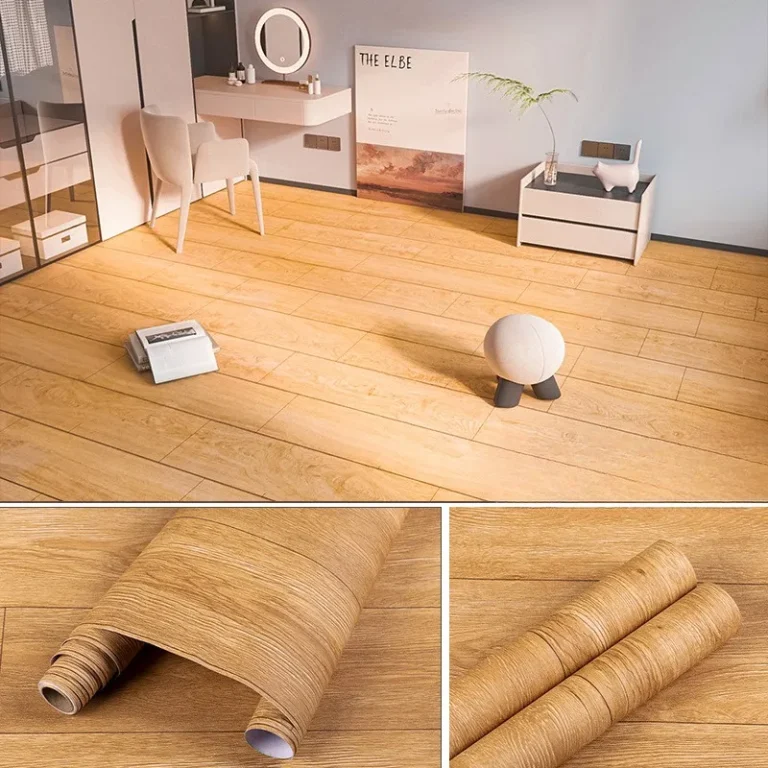
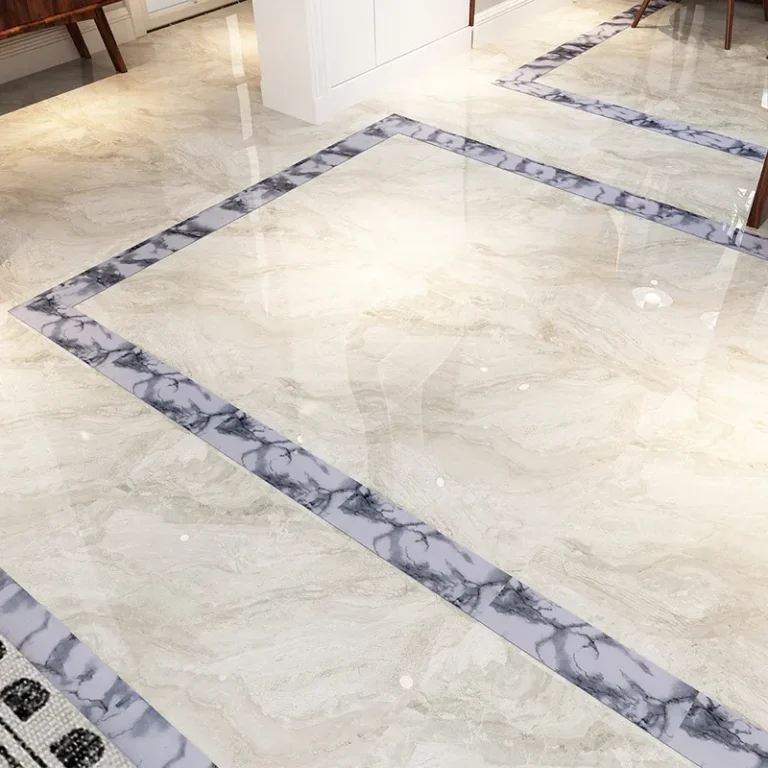
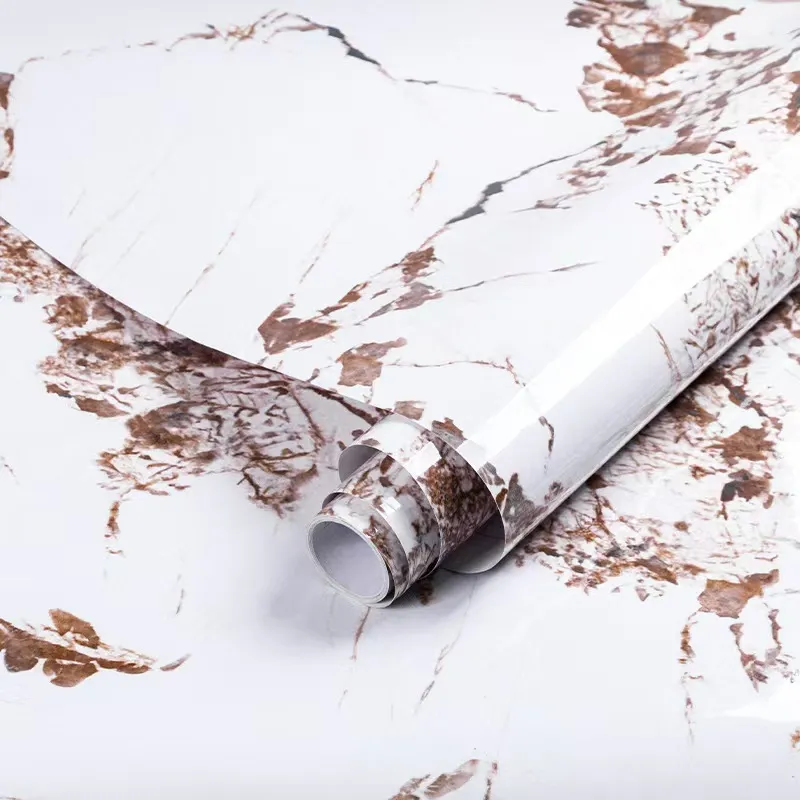
Textured Films: Includes wood grain, marble film, cloth, and leather textures. These involve embossing or printing techniques, adding to the cost. More intricate textures like deep 3D grains or authentic stone reproductions are premium products.
Metallic & Specialty Films: Films with aluminum foil layers, pearlescent effects, or 3D silk textures involve complex manufacturing and raw materials, placing them at the higher end of the price spectrum.
Films engineered for specific performance needs incorporate additives that affect cost.
Flooring Films: Used for vinyl flooring and skirting boards, these require high wear resistance, UV stability, and stain protection. The addition of robust wear layers and stabilizers increases their price.
Industrial & Protective Films: Includes anti-static film for electronics, chemical-resistant film, and heavy-duty protective masking films. Their specialized formulations make them more expensive than standard decorative films.
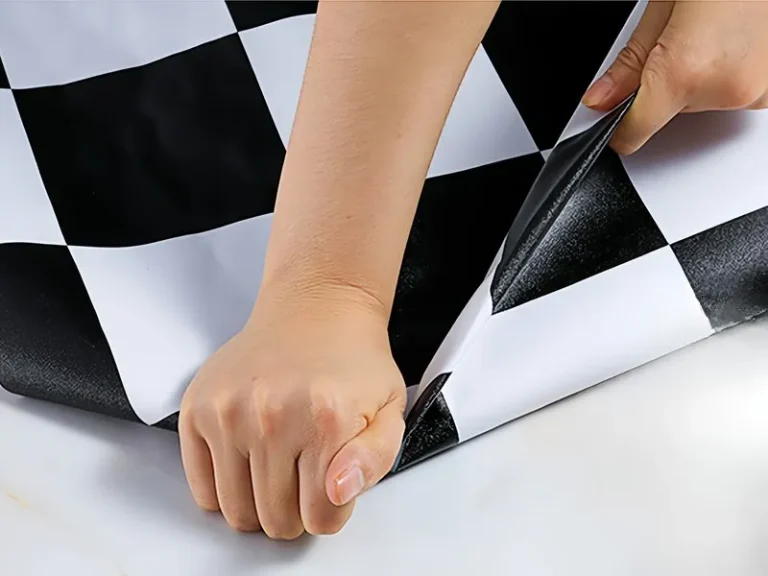
Adhesive-Backed Films: Self-adhesive films, like those used for kitchen cabinets (kitchen anti-oil film) or wall covering, include the cost of the adhesive layer and release liner, adding to the base material cost.
Beyond the type, several interconnected factors determine the final price per square meter or roll.
The cost of polyvinyl chloride (PVC) resin is the most volatile and significant factor. It is tied to global oil and natural gas prices, as they are key feedstocks. Market supply and demand, geopolitical events, and production capacity in major manufacturing regions all cause resin prices to fluctuate. A surge in crude oil prices typically leads to a corresponding increase in PVC film prices.
Pure PVC is brittle and unstable. Additives are essential, and their quality and quantity impact cost.
Thickness: Measured in microns (µm) or mils. Price increases linearly with thickness, as it uses more raw material. A 200µm film will cost significantly more than a 100µm film of the same type.
Width and Roll Length: Standard widths (e.g., 1.37m, 1.52m) are most cost-effective. Custom widths require production line adjustments and may generate more waste, leading to a premium. Larger roll lengths often offer a better price per unit area.
Surface Treatments: Additional coatings for anti-scratch, anti-fingerprint, anti-bacterial, or enhanced gloss levels add processing steps and cost.
Economies of scale apply strongly. Large bulk orders allow manufacturers to optimize production runs, reducing the cost per unit. Conversely, small orders or highly customized orders (special color, unique texture, specific adhesive) involve setup costs and shorter runs, increasing the unit price. Manufacturers like Pulivk that offer flexible OEM services can provide cost-effective solutions even for customized needs through efficient production planning.
Films certified to meet international standards (e.g., REACH, RoHS, FDA, ISO 9001, fire ratings like Class B) undergo rigorous testing. The cost of compliance, audits, and premium raw materials required for these certifications is reflected in the price. This is non-negotiable for applications in regulated industries like healthcare, toys, or food contact.
Price shouldn’t be the sole deciding factor. Value is a combination of cost, quality, and service.
Define Your Requirements Precisely: Clearly outline your needed thickness, width, finish, performance criteria (durability, chemical resistance), and required certifications. This allows suppliers to quote accurately and avoids paying for unnecessary features.
Request Samples: Always evaluate physical samples for color accuracy, texture feel, flexibility, and adhesion (if applicable). A slightly higher-priced film that performs perfectly can save money on waste and rework.
Consider Total Cost of Ownership: A cheaper film that fades, cracks, or is difficult to laminate will lead to higher long-term costs due to product failures and customer complaints. Investing in quality from a reliable supplier ensures consistency and durability.
Build a Relationship with Your Supplier: Partnering with a manufacturer that offers strong technical support, consistent quality control, and reliable logistics can provide immense value beyond the unit price, ensuring smooth project execution.
For basic decorative or protective applications where high durability isn’t critical, a standard-grade, monochromatic extruded film in a common thickness (e.g., 80-120µm) and standard width will typically be the most cost-effective option.
Custom color matching usually incurs a one-time lab fee for creating the color formula and a minimum order quantity (MOQ). The per-unit price will be higher than for standard colors due to the dedicated production run and potential for more expensive pigments.
Variations can be due to differences in raw material quality (virgin vs. recycled content), additive packages, manufacturing tolerances, overhead costs, and profit margins. Always compare technical data sheets and samples, not just price lists.
Thicker films are more durable, rigid, and opaque, but also more expensive. “Better” depends on the application. A furniture laminate may need a thick, rigid film, while a product sleeve requires a thin, flexible one. Using the optimal thickness for the job is key to cost-effectiveness.
Optimize your design to use standard widths to minimize trimming waste. Consolidate orders to achieve higher volume discounts. Work with your supplier to see if a slightly different standard color or texture can meet your needs without the cost of full customization. Plan orders in advance to avoid rush fees.