Address
304 North Cardinal St.
Dorchester Center, MA 02124
Work Hours
Monday to Friday: 7AM - 7PM
Weekend: 10AM - 5PM
Address
304 North Cardinal St.
Dorchester Center, MA 02124
Work Hours
Monday to Friday: 7AM - 7PM
Weekend: 10AM - 5PM


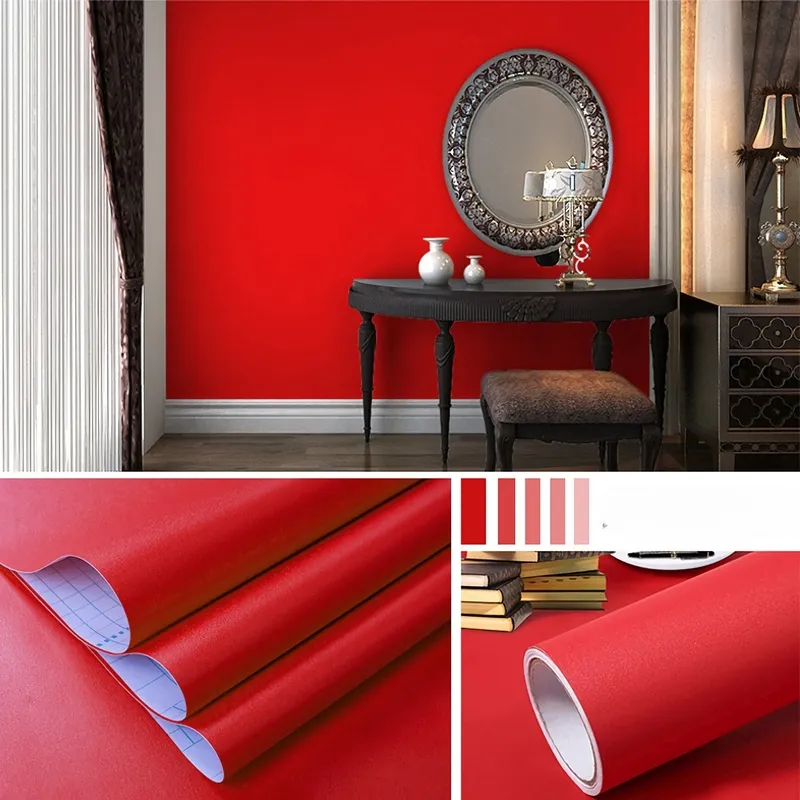
Polyvinyl Chloride (PVC) films and sheets represent one of the most versatile and widely used polymer materials in the world today. From the sleek finish on modern furniture to durable protective layers in industrial settings, PVC films offer a unique combination of flexibility, durability, and aesthetic appeal. This guide delves into the various types available, their extensive applications, and the custom solutions that manufacturers like Pulivk Film provide to meet specific industry needs.
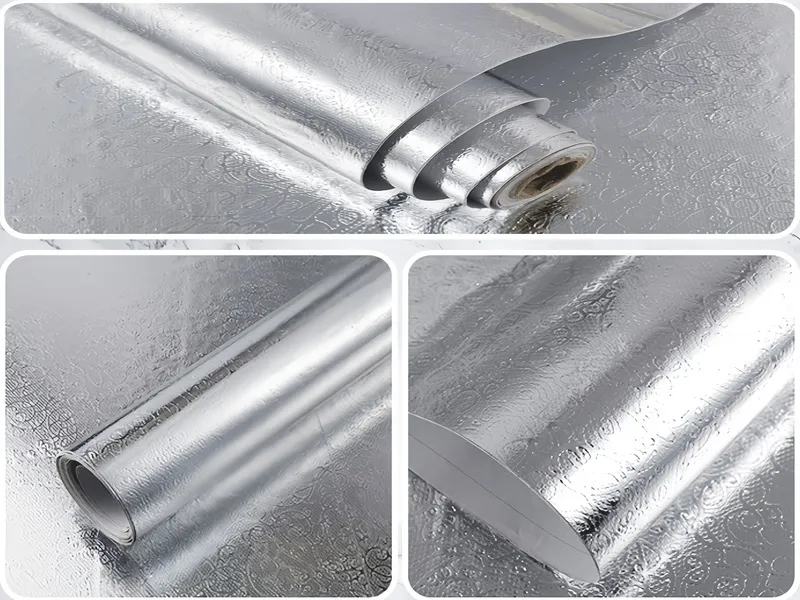
At its essence, PVC film is a thin sheet manufactured from polyvinyl chloride resin. Through processes like calendering, the material is formed into rolls of varying thickness, texture, and finish. The inherent properties of PVC—such as water resistance, chemical stability, and ease of fabrication—make it an ideal substrate for lamination, coating, and direct application. Modern advancements have also led to the development of more eco-friendly formulations, free from heavy metals and phthalates, broadening its use in sensitive environments like homes and medical facilities.
The world of PVC films is rich and diverse, with each type engineered for specific visual and functional outcomes. Here’s a breakdown of the primary categories.
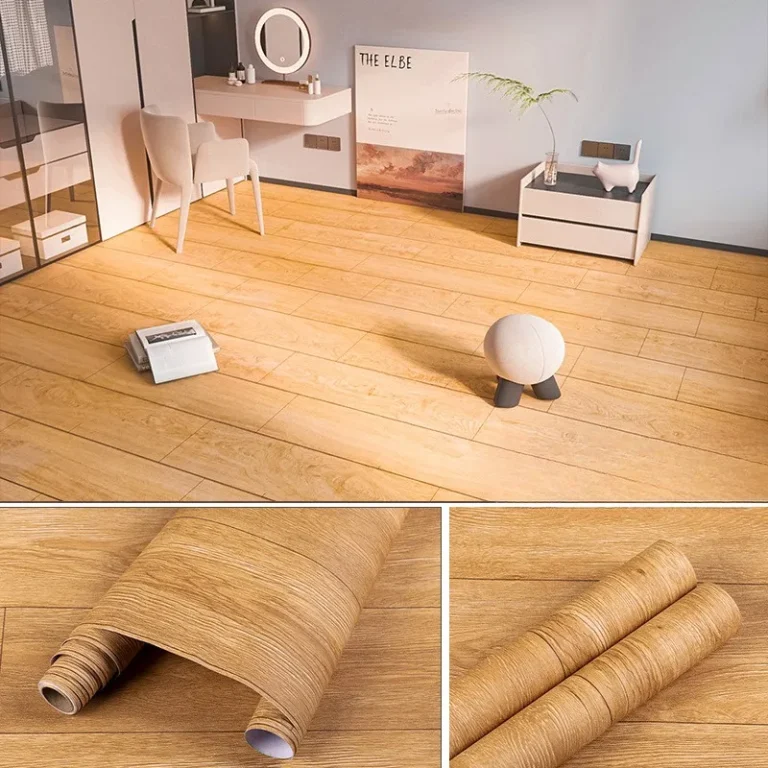
Decorative Films: This is where aesthetics take center stage. Wood grain films replicate the warmth and texture of natural wood, perfect for cabinet doors and furniture. Marble or stone grain films offer a luxurious, high-end look for walls and countertops. Other popular finishes include glossy, matte, metallic foil, and 3D texture films that add depth and tactile interest.
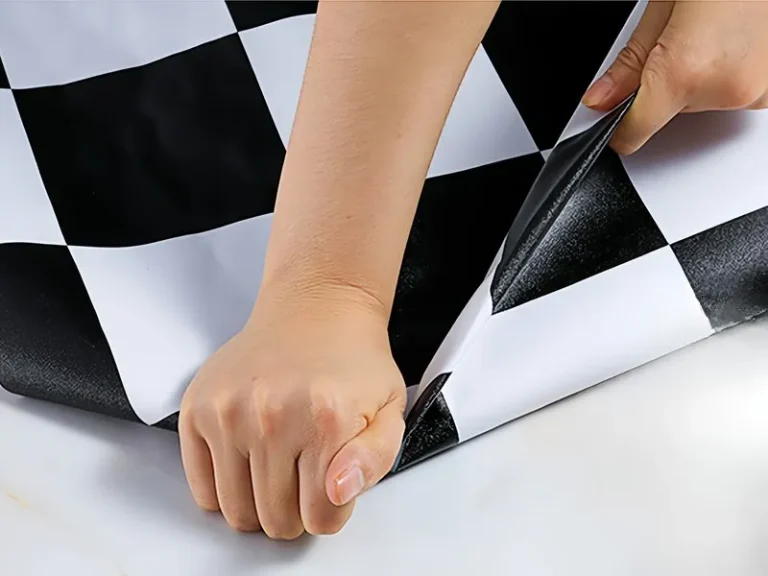
Functional & Protective Films: Beyond looks, some films are designed for performance. Anti-static films protect sensitive electronic components. Self-adhesive films simplify installation for DIY projects. Floor protection films and kitchen anti-oil films provide a durable, easy-to-clean barrier.
Calendered Film: Produced by passing heated PVC compound through a series of rollers, this is the most common method, resulting in films with consistent thickness and excellent surface quality, ideal for large-scale decorative applications.
Cast Film: Made by spreading a liquid PVC formulation onto a moving belt, cast films are known for their exceptional clarity and dimensional stability, often used for high-clarity packaging and overlaminates.
The adaptability of PVC film allows it to serve as a critical material across a vast array of sectors, enhancing both product value and user experience.
In furniture manufacturing, PVC films are a game-changer. They are laminated onto medium-density fiberboard (MDF) or particleboard to create stunning, durable surfaces for kitchen cabinets, wardrobes, office furniture, and shelving. The ability to mimic expensive materials like wood, stone, or fabric at a fraction of the cost makes it a preferred choice for both mass production and bespoke designs. Glossy wardrobe films create a modern, reflective look, while matte finishes offer a sophisticated, contemporary feel.
The construction industry leverages PVC films for interior wall cladding, ceiling panels, door skins, and decorative laminates. Solid color films serve as modern wallpapers, while textured films can create feature walls. Specialized films like PVC skirting film provide a seamless and protective finish for wall-floor junctions. Their moisture resistance also makes them suitable for use in bathrooms and kitchens.
In electronics, PVC films are used as protective overlays for control panels, insulating layers, and decorative bezels. The advertising and signage industry relies heavily on printable PVC films for banners, vehicle wraps, window graphics, and exhibition displays due to their excellent print fidelity and outdoor durability.
Automotive: Used for interior trim, dashboard surfaces, and protective tapes.
Medical & Packaging: Employed in sterile packaging, clean room surfaces, and as protective barriers for equipment.
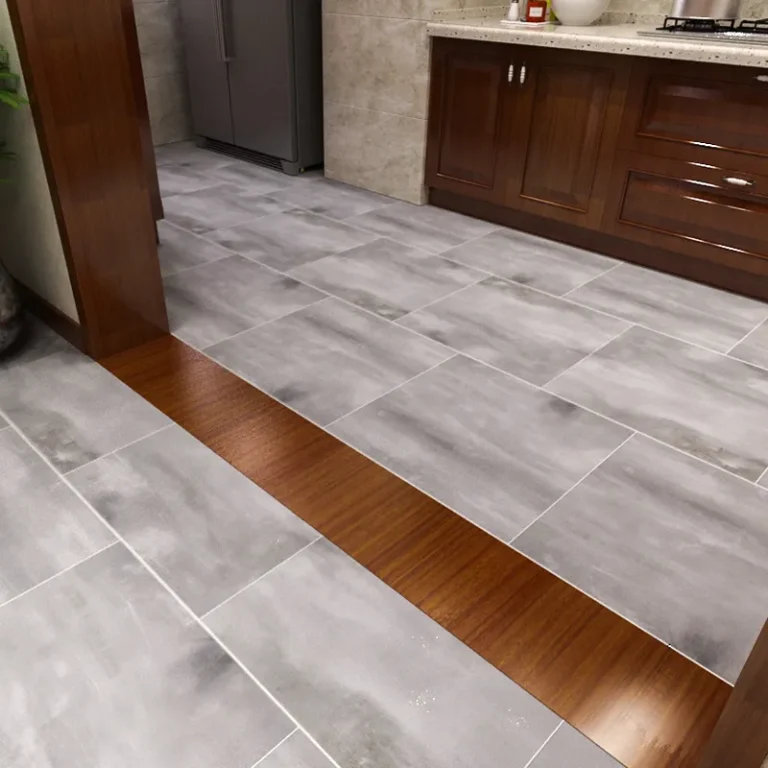
Home Improvement: A favorite for DIY projects like renewing countertops, creating vinyl kitchen flooring, or applying bathroom floor stickers.
While standard products serve many purposes, the true potential of PVC film is unlocked through customization. Leading producers offer comprehensive OEM/ODM services to tailor every aspect of the film to the client’s vision and technical requirements.
This level of customization ensures that designers and engineers are not limited by off-the-shelf options. Whether creating a brand-specific color for a furniture line or developing a film with specific technical properties for a medical device, custom solutions bridge the gap between material science and creative or functional design.
Selecting a PVC film supplier is a strategic decision. Key factors include the supplier’s in-house production capability (controlling quality from raw material to finished roll), proven quality control systems (like ISO certifications), R&D and customization support, and reliable logistics for global supply. A partner with full-process control, like Pulivk Film, can offer greater consistency, cost advantages, and flexibility to adapt to changing project needs.
PVC film offers superior consistency in color and pattern, excellent moisture and stain resistance, easier maintenance, and often a lower cost. It provides a durable, uniform finish without the natural imperfections or maintenance requirements of wood, and is more resilient and versatile than paint.
High-quality PVC films, especially those with wear-resistant surface layers, are extremely durable. They are designed to withstand daily wear, cleaning chemicals, and moisture. For flooring, specific floor films are engineered with extra thickness and protective top coats for long-term performance in commercial settings.
Standard PVC films are primarily for indoor use as prolonged UV exposure can cause fading and degradation. However, special formulations with UV stabilizers and weather-resistant additives are available for specific outdoor applications. It’s crucial to discuss your project’s environmental conditions with your supplier.
MOQs vary by supplier and the complexity of the customization. Reputable suppliers often work flexibly with clients, offering lower MOQs for trial runs or new product development, while larger production runs naturally achieve better economies of scale. It’s always best to inquire directly with your chosen manufacturer.
Request compliance certificates from your supplier. Look for adherence to international standards like REACH, RoHS (restricting hazardous substances), and FDA compliance for food-contact applications. Reputable manufacturers use non-toxic, phthalate-free formulations and can provide relevant test reports for their materials.