Address
304 North Cardinal St.
Dorchester Center, MA 02124
Work Hours
Monday to Friday: 7AM - 7PM
Weekend: 10AM - 5PM
Address
304 North Cardinal St.
Dorchester Center, MA 02124
Work Hours
Monday to Friday: 7AM - 7PM
Weekend: 10AM - 5PM


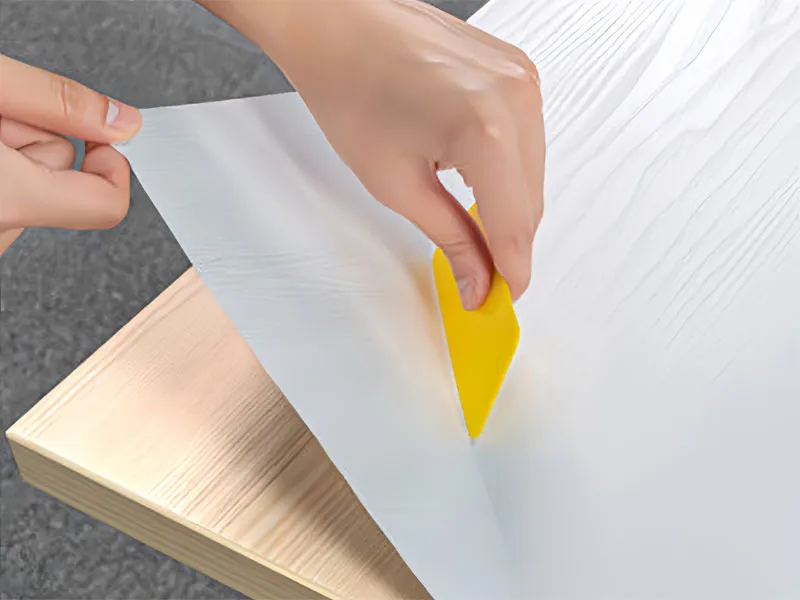
PVC furniture film has revolutionized the way we design, protect, and renovate our living and working spaces. This versatile material offers an affordable and creative solution for updating furniture, cabinets, doors, and various surfaces without the need for expensive replacements or messy renovations. Whether you’re a homeowner looking for a weekend DIY project or a professional manufacturer seeking durable finishes, understanding the types, uses, and benefits of PVC film is essential.
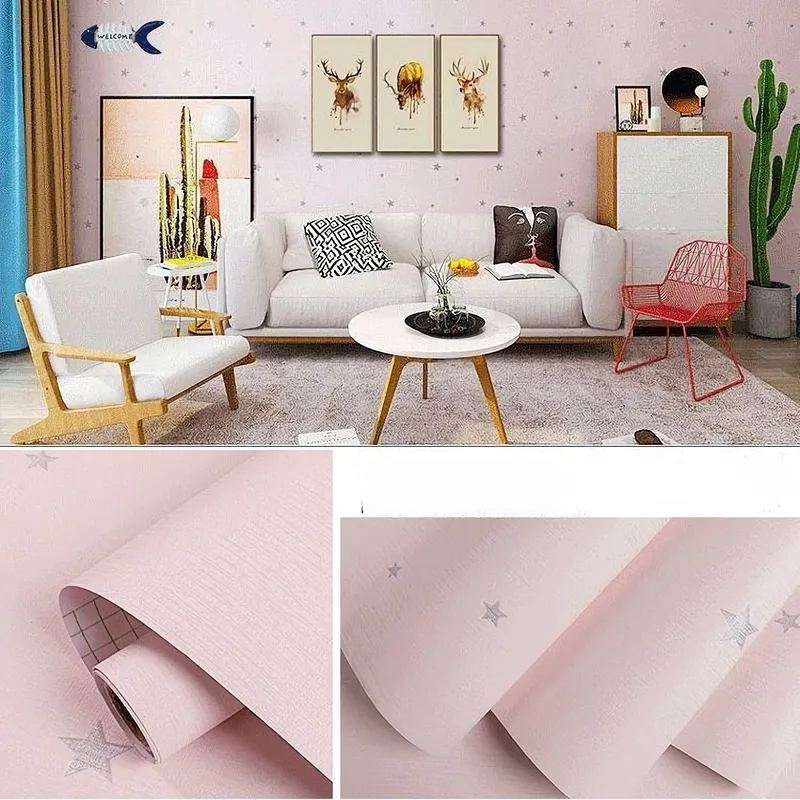
PVC (Polyvinyl Chloride) furniture film is a thin, flexible sheet material applied to surfaces to change their appearance or add a protective layer. It is manufactured through processes like calendering, which ensures a consistent thickness and smooth finish. The film can be printed with an almost limitless array of patterns—from classic wood grains and elegant marbles to modern solid colors and metallic effects—then treated with coatings for specific functionalities like scratch resistance or ease of cleaning.
→ Durability: Resistant to moisture, stains, and everyday wear, making it ideal for high-traffic areas.
→ Flexibility: Can conform to curves and edges, allowing for seamless application on complex furniture shapes.
→ Cost-Effectiveness: Provides a high-end aesthetic at a fraction of the cost of solid wood, stone, or repainting.
The variety of PVC films available caters to diverse aesthetic preferences and functional needs. Here’s a breakdown of the primary types:
These films are designed primarily for aesthetics, transforming plain surfaces into stylish focal points.
These films prioritize performance, offering solutions for specific challenges in the home or workplace.
PVC film’s adaptability makes it a star player across multiple domains:
Cabinet Refacing: The most popular use. Update old kitchen or bathroom cabinets with a new glossy or wood-grain film for a fraction of replacement cost.
Furniture Makeovers: Revive dated tables, dressers, bookshelves, and drawers.
Wall Decoration: Create accent walls or cover entire rooms with easy-to-clean solid color or patterned films, a simpler alternative to wallpaper.
Door and Window Trims: Use matching or contrasting films on skirting boards, door panels, and window sills for a cohesive look. PVC skirting film is designed for this purpose.
Store Fixtures & Displays: Quickly refresh counters, shelves, and signage to match branding or seasonal promotions.
Office Furniture: Provide a uniform, professional appearance across workstations, partitions, and filing cabinets.
Hospitality Sector: Used in hotels and restaurants for easy-to-sanitize surfaces on furniture, wall panels, and elevator interiors.
Cost Savings: Dramatically less expensive than replacing furniture or installing natural materials. The DIY application potential further reduces labor costs.
Minimal Disruption: Renovations can be completed quickly and cleanly, often without needing to empty a room, making it ideal for busy homes or operating businesses.
Durability & Longevity: High-quality PVC films are resistant to fading from UV light, scratches, moisture, and common household chemicals, ensuring the new look lasts for years.
Unlimited Design Options: From hyper-realistic textures to bold colors and patterns, the design possibilities are endless, allowing for complete creative freedom.
Easy Maintenance: Most films feature a non-porous surface that can be wiped clean with a damp cloth, resisting stains and bacteria buildup—a key benefit for kitchens and bathrooms.
Customization: Manufacturers like Pulivk offer extensive OEM/ODM services, allowing for custom colors, sizes, thicknesses, and even functional coatings (e.g., anti-static, anti-fog) to meet precise project requirements.
Modern PVC films are increasingly produced with environmental and health consciousness. Reputable producers adhere to international standards (like REACH, RoHS), use eco-solvent or non-toxic inks, and create phthalate-free films, making them safe for indoor use. Their long lifespan also reduces waste from frequent furniture disposal.
A: Self-adhesive films are designed for DIY ease. Success depends on surface preparation (clean, smooth, dry) and applying the film slowly to avoid air bubbles. For large, complex projects or non-adhesive films, professional installation is recommended for a flawless result.
A: It adheres best to smooth, non-porous surfaces like laminate, wood, metal, and glass. Textured, porous, or freshly painted surfaces may not provide a strong bond and require specific primers or professional advice.
A: The lifespan varies by quality and environment. High-grade films from trusted suppliers can last 5-10 years or more on indoor furniture. Exposure to direct sunlight, extreme heat, or moisture can affect durability.
A: Many self-adhesive films are designed to be removable, especially if removed within a few years. Heating the film with a hairdryer can soften the adhesive for easier removal. Always test a small area first.
A: Maintenance is simple. Use a soft cloth dampened with water and a mild detergent. Avoid abrasive pads, harsh chemicals (like acetone or bleach), and sharp objects that could scratch the surface.