Address
304 North Cardinal St.
Dorchester Center, MA 02124
Work Hours
Monday to Friday: 7AM - 7PM
Weekend: 10AM - 5PM
Address
304 North Cardinal St.
Dorchester Center, MA 02124
Work Hours
Monday to Friday: 7AM - 7PM
Weekend: 10AM - 5PM


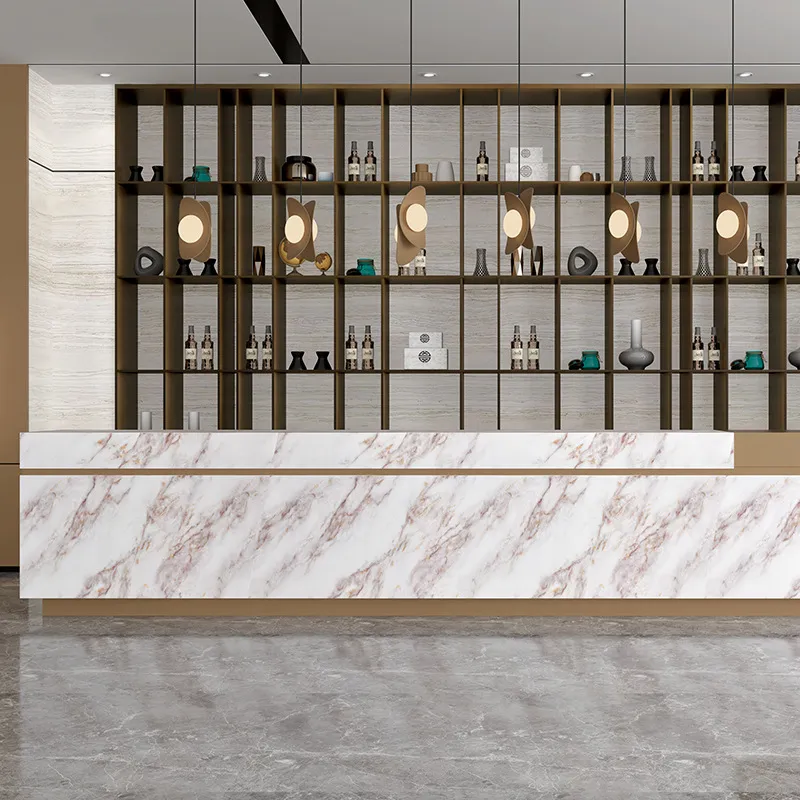
PVC panel film, a versatile and cost-effective material, has revolutionized interior design and product manufacturing. This thin, flexible sheet made from polyvinyl chloride offers a durable and aesthetically pleasing surface finish for a wide range of substrates. Whether you’re a homeowner embarking on a renovation, a furniture manufacturer seeking to enhance product appeal, or a contractor looking for reliable decorative solutions, understanding PVC film is crucial. This guide delves deep into the types, applications, and key considerations for purchasing the right film for your project.
The world of PVC film is diverse, with each type engineered for specific looks, feels, and functionalities. Knowing these categories is the first step to making an informed choice.
This classification is primarily about the visual and tactile outcome.
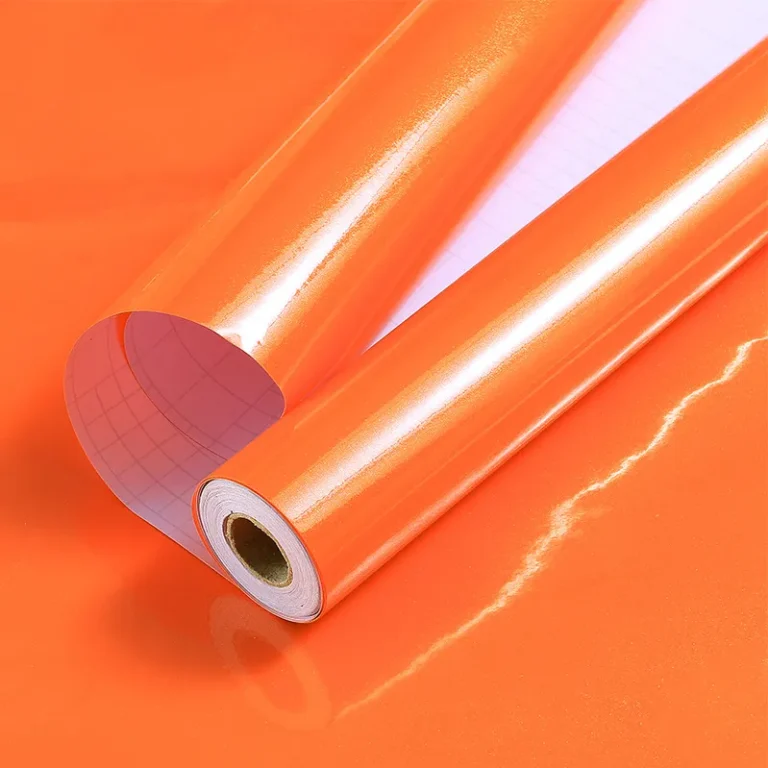
Glossy Film: Offers a high-shine, reflective surface that creates a modern, sleek look. It’s easy to clean and can make spaces appear brighter and larger. Ideal for contemporary kitchen cabinets, wardrobe doors, and accent walls.
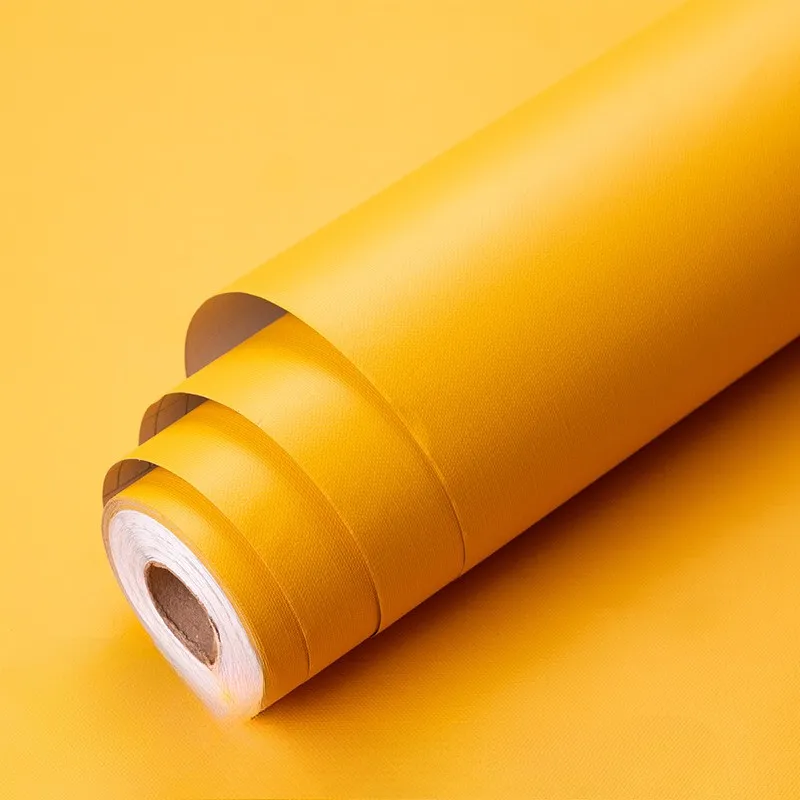
Matte Film: Provides a non-reflective, soft-touch finish that is elegant and resistant to fingerprints and scratches. It’s perfect for creating a sophisticated, understated ambiance in offices, living rooms, and high-end furniture.
Textured Film: Includes a vast array of patterns like wood grain, marble, cloth, leather, and 3D silk textures. These films realistically mimic natural materials at a fraction of the cost and are widely used in furniture laminating and wall cladding.
Beyond looks, some films are designed with enhanced performance characteristics.
Self-Adhesive Film: Comes with a pre-applied pressure-sensitive adhesive backing, allowing for easy, tool-free installation on clean, smooth surfaces. Popular for DIY projects, rental apartment upgrades, and temporary displays.
Anti-Static Film: Formulated to dissipate electrostatic discharge, making it essential for protecting sensitive electronic components during manufacturing, packaging, and in cleanroom environments.
Fire-Retardant Film: Treated with additives to inhibit flame spread, a critical requirement for public spaces, transportation interiors, and specific building codes.
The manufacturing method impacts the film’s characteristics and typical applications.
Calendered Film: Produced by pressing molten PVC compound through a series of heated rollers. This process creates films with excellent dimensional stability, consistent thickness, and high clarity. It’s the go-to method for high-volume production of durable films used in signage, flooring, and industrial applications.
Cast Film: Made by spreading a liquid PVC plastisol onto a moving belt and curing it. Cast films are known for their exceptional surface quality, high gloss, and soft feel, often used for high-end decorative surfaces and protective films.
The adaptability of PVC film makes it a cornerstone material in numerous sectors.
This is one of the largest application areas. PVC films are laminated onto particleboard, MDF, or plywood to create finished surfaces for kitchen cabinets, wardrobes, office furniture, and shelving. They offer endless design possibilities, from classic wood looks to bold solid colors and high-gloss finishes, all while providing a scratch and moisture-resistant surface.
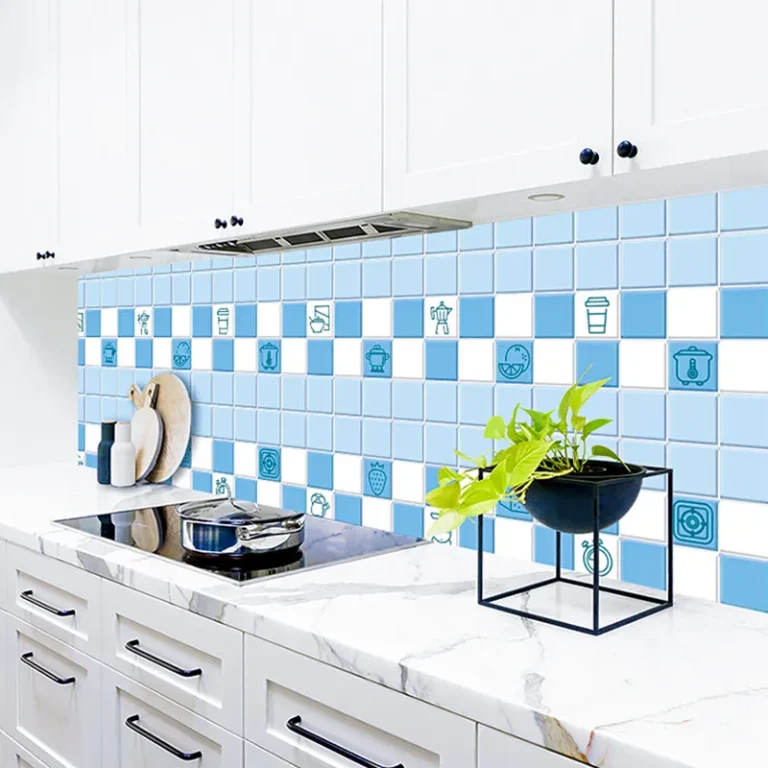
PVC films are extensively used for wall panels, ceiling systems, column covers, and door skins. They provide a quick and clean alternative to painting or installing heavy tiles or stone. Solid color films offer seamless looks, while textured films can create feature walls that mimic expensive materials. Their ease of maintenance is a significant advantage in commercial settings like hotels, hospitals, and retail stores.
While not a wear layer itself, specialized PVC films are crucial in the flooring industry. They are used as decorative layers in luxury vinyl tile (LVT) and sheet flooring. High-fidelity printed films provide the realistic wood, stone, or abstract patterns. Durable floor films must withstand foot traffic, cleaning, and UV exposure.
Selecting the right film involves more than just picking a color. Here are critical factors to evaluate.
Start by assessing the environment where the film will be used.
Durability: Consider abrasion resistance (measured by Taber test), scratch resistance, and impact resistance. High-traffic areas like kitchen cabinets or commercial floors demand films with superior wear layers.
Chemical & Stain Resistance: For kitchens and bathrooms, ensure the film can resist common household cleaners, oils, and cosmetics without staining or degrading.
Lightfastness & UV Stability: If the application will be exposed to sunlight (e.g., window surrounds, sunrooms), the film must have UV inhibitors to prevent fading and yellowing.
Technical specifications are your objective quality indicators.
Thickness: Typically measured in microns (µm) or mils. Thicker films generally offer better durability and deeper embossing but are less flexible and more expensive.
Adhesive Type (if applicable): For self-adhesive films, understand the adhesive’s bonding strength (peel adhesion), whether it’s permanent or removable, and its suitability for the substrate (smooth, porous, etc.).
Certifications: Look for relevant safety and environmental certifications such as ISO 9001 (quality management), ISO 14001 (environmental management), REACH, RoHS (restriction of hazardous substances), and fire safety ratings (e.g., Class B, Class 1).
Your supplier is a partner in your project’s success.
Customization: Does the supplier offer OEM/ODM services? Can they match specific colors (Pantone), create custom patterns, or produce non-standard widths and roll lengths? A flexible supplier like Pulivk Film can adapt to your unique needs.
Technical Support: A good supplier provides application guidance, installation recommendations, and troubleshooting support.
Logistics & Lead Times: Confirm production lead times, minimum order quantities (MOQ), and their experience with global export packaging and shipping. Reliable logistics ensure your project stays on schedule.
Never buy based on a digital image alone. Physical samples allow you to:
While both contain PVC, vinyl wallpaper typically refers to a ready-to-hang product with a paper or non-woven backing, sold in rolls for direct wall application. PVC film (or laminate film) is a raw material supplied in rolls without backing, designed to be laminated onto a substrate (like board or metal) using adhesives and presses in an industrial or professional setting. Film offers greater durability and is integral to the product’s construction.
Modern, high-quality PVC films from reputable manufacturers like Pulivk Film are formulated to be safe for indoor use. They comply with strict international standards (REACH, RoHS) that limit volatile organic compounds (VOCs), heavy metals, and phthalates. Always request and review the supplier’s material safety data sheets (MSDS) and compliance certificates to ensure the product meets the safety regulations of your region.
Maintenance is generally simple. For daily cleaning, use a soft, damp cloth with a mild, non-abrasive detergent. Avoid using abrasive pads, scouring powders, or harsh chemical cleaners containing solvents (like acetone or strong acids/bases), as these can damage the film’s surface finish. For high-gloss films, a microfiber cloth is ideal to avoid streaks.
Yes, but with important caveats. You must select a film specifically rated for moisture resistance and ensure the edges and seams are perfectly sealed during installation to prevent water ingress, which can delaminate the film or damage the substrate. For kitchen backsplashes behind sinks and stoves, choose a film with high heat and grease resistance.
The PVC industry has made significant strides in sustainability. Key points include: the durability of PVC film extends product life; many films are recyclable (check local facilities); and leading producers use stabilizers and plasticizers that meet eco-standards. When sourcing, inquire about the supplier’s environmental policies, use of recycled content, and product recyclability to make an informed choice.