Address
304 North Cardinal St.
Dorchester Center, MA 02124
Work Hours
Monday to Friday: 7AM - 7PM
Weekend: 10AM - 5PM
Address
304 North Cardinal St.
Dorchester Center, MA 02124
Work Hours
Monday to Friday: 7AM - 7PM
Weekend: 10AM - 5PM


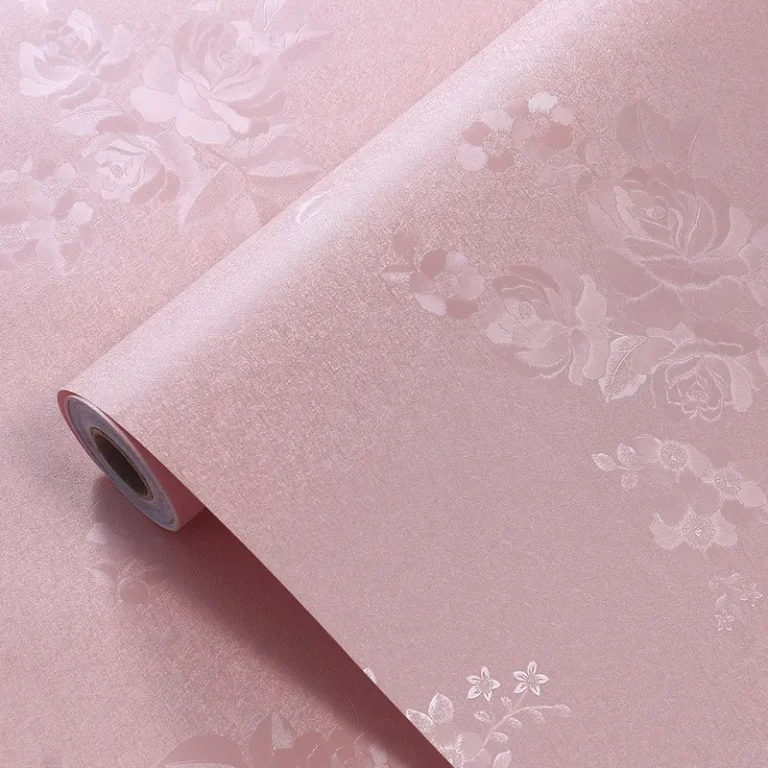
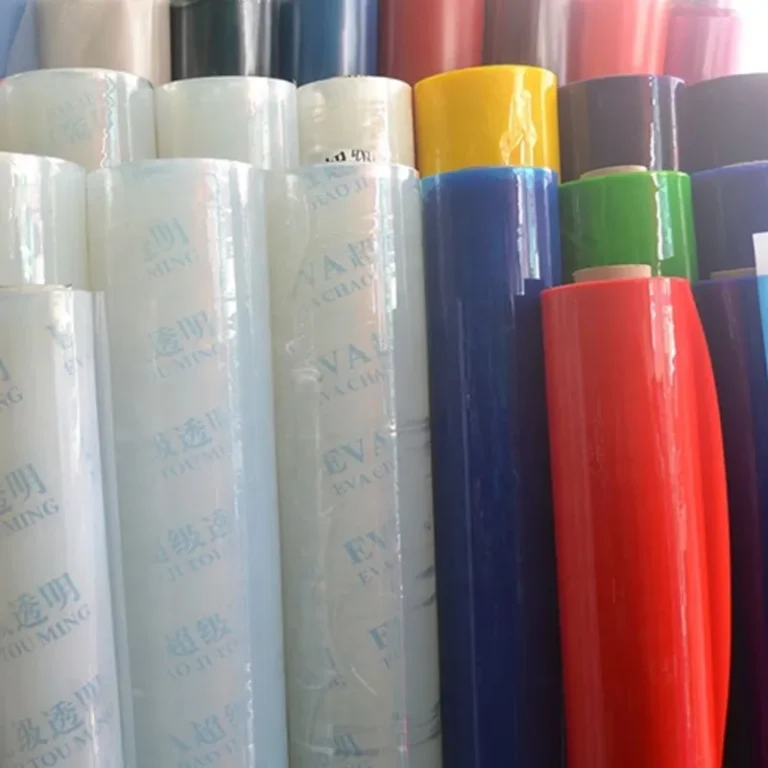
PVC printed film has revolutionized the way we decorate, protect, and brand surfaces across countless industries. This versatile material combines the durability and flexibility of Polyvinyl Chloride with the limitless creative potential of advanced printing technologies. From creating the illusion of luxurious wood or marble at a fraction of the cost to providing durable, high-visibility graphics for advertising, PVC film is a cornerstone of modern manufacturing and design. Its ability to be precisely customized in terms of color, texture, pattern, and finish makes it an indispensable solution for businesses and designers seeking both aesthetic appeal and functional performance.
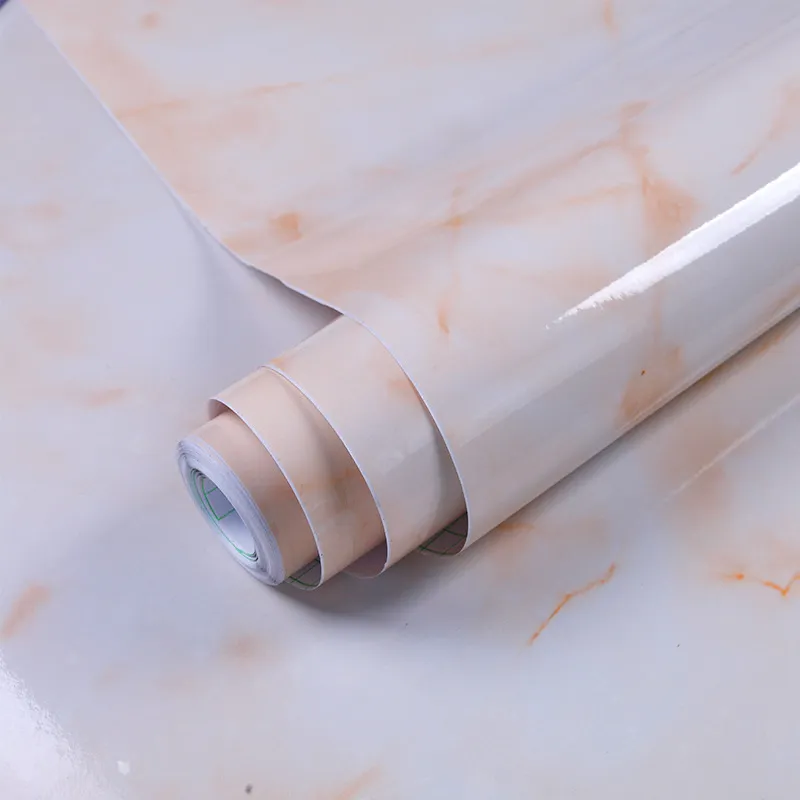
The world of PVC film is diverse, with each type engineered for specific properties and end-uses. Knowing the differences is key to selecting the right material for your project.
Glossy Film: Offers a high-shine, reflective surface that enhances color vibrancy. Ideal for creating a modern, sleek look on cabinets, appliances, and retail displays.
Matte Film: Provides a non-reflective, sophisticated finish that resists fingerprints and scratches. Perfect for office furniture, electronic device coverings, and areas where glare reduction is desired.
Textured Film: Includes wood grain, stone, fabric, and leather imprints. This category adds a tactile, realistic dimension to surfaces. For example, a high-fidelity Wood Grain Film can transform a simple MDF panel into an elegant oak-finish door.
Beyond aesthetics, PVC films are formulated for specialized roles.
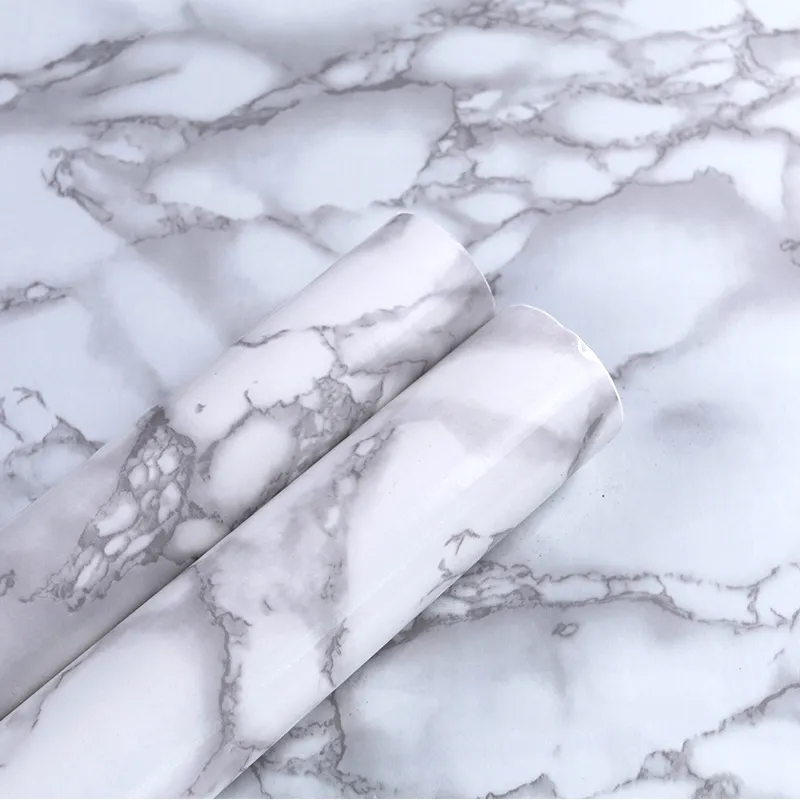
Decorative Films: The largest category, used primarily for surfacing. This includes films for furniture laminates, wall coverings, and interior décor. A Marble Film can create stunning feature walls or countertop accents without the weight or cost of real stone.
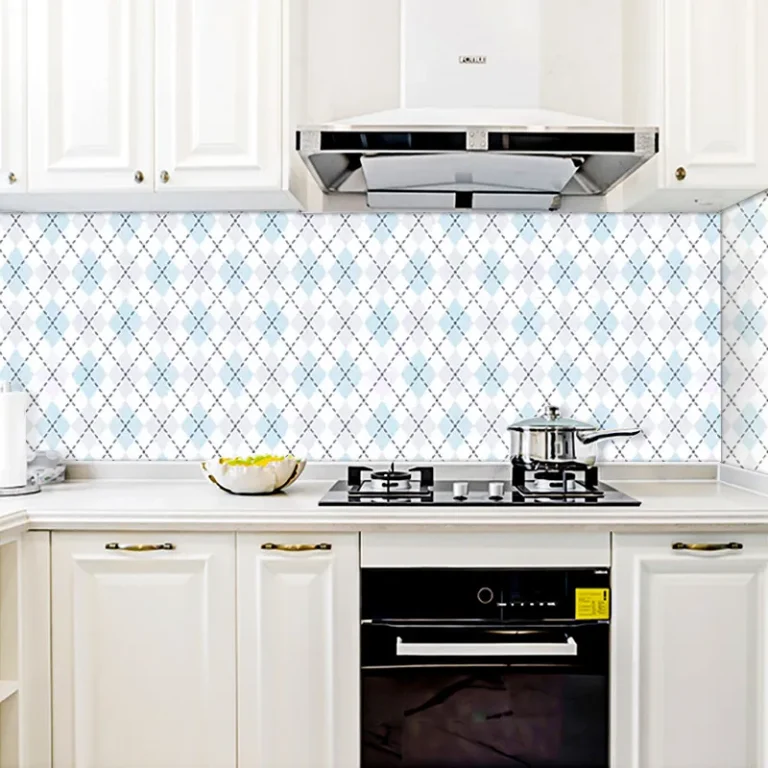
Protective & Functional Films: These films serve a practical purpose. Floor protection films shield surfaces during construction or renovation. Anti-static films are critical in electronics packaging and cleanrooms. Self-adhesive films, like kitchen anti-oil films, offer easy application for backsplashes and appliances.
Calendered Film: This refers to film produced by the calendering process—passing PVC compound through heated rollers to achieve a specific thickness and surface finish. It’s the foundational material for many printed and textured films. You can learn more about the process and its applications in our detailed guide on Calendered Film.
The adaptability of printed PVC film unlocks applications in nearly every sector that involves surface enhancement or protection.
This is a primary application area. PVC films are laminated onto substrates like particleboard or MDF to create affordable, durable, and stylish furniture. Uses include:
In construction, PVC films provide aesthetic and protective solutions for both interiors and exteriors.
PVC films are the media of choice for vibrant, durable graphics.
The utility of PVC film extends to highly specific needs.
One of the greatest strengths of modern PVC film manufacturing is the capacity for deep customization. Partnering with a producer like Pulivk Film means you are not limited to standard catalog items.
Custom solutions can address virtually every specification:
When seeking custom solutions, the capabilities of your supplier are paramount. An integrated manufacturer controlling the entire process—from calendering and printing to coating and slitting—offers distinct benefits:
For instance, creating a custom vinyl kitchen flooring film requires precise color matching, a specific wear layer formulation, and a textured embossing that aligns with the print. An integrated partner can synchronize these steps seamlessly.
Focus on the application environment (indoor/outdoor, temperature, exposure to chemicals), the substrate it will be applied to, the required durability (scratch, stain, UV resistance), and the desired aesthetic (color, gloss, texture). Providing samples of your target look or material is extremely helpful.
PVC film offers superior consistency in pattern and color, excellent moisture resistance, and often a lower cost. It is also more flexible and can be applied to complex shapes. While traditional materials have their place, PVC film provides a high-performance, versatile alternative for many applications.
Modern PVC films can be produced with a strong focus on sustainability. Look for manufacturers using phthalate-free plasticizers, heavy-metal-free stabilizers, and eco-solvent or UV-curable inks. Many films are also recyclable. Always request compliance certificates like REACH and RoHS.
The process usually involves: 1) Consultation to define specs, 2) Design & Proofing (digital or physical color proofs), 3) Sample Production for testing and approval, and 4) Mass Production and delivery. A reliable manufacturer will guide you through each step.
Absolutely. Specific types of PVC film are engineered for high-moisture environments. For example, bathroom floor stickers and kitchen oil-proof aluminum foil films are designed with enhanced water resistance, mold inhibitors, and durable adhesives to perform reliably in these challenging conditions.