Address
304 North Cardinal St.
Dorchester Center, MA 02124
Work Hours
Monday to Friday: 7AM - 7PM
Weekend: 10AM - 5PM
Address
304 North Cardinal St.
Dorchester Center, MA 02124
Work Hours
Monday to Friday: 7AM - 7PM
Weekend: 10AM - 5PM


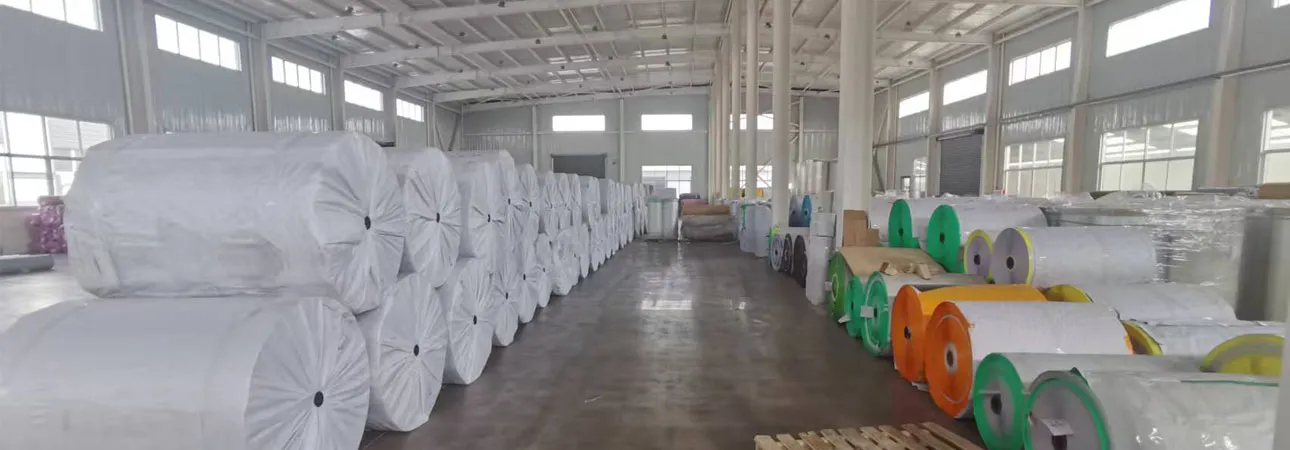
As demand for energy-efficient, decorative, and privacy-enhancing window treatments grows, vinyl window film has become a versatile solution for architects, fabricators, and retailers. This guide explains how a modern vinyl window film factory delivers high-quality custom window film solutions—covering materials, production capabilities, customization options, and how to choose the right partner for OEM or private-label projects.
Vinyl window film combines durability with design flexibility. It improves glare control, enhances privacy, and can provide decorative effects—such as frosted, etched, or metallic finishes—without the cost and weight of glass upgrades. For commercial buildings, retail displays, and residential upgrades, vinyl films offer a fast, low-disruption way to update windows and glass surfaces.
Durability: PVC-based films resist fading, scratching, and moisture. Cost-effectiveness: Films are a fraction of the cost of replacement glazing. Design variety: From translucent privacy films to printed graphics, options are wide.
Leading factories combine advanced calendering, printing, and split-packaging lines to maintain consistent quality from raw materials to finished rolls. In-house production reduces lead times and gives buyers tighter control over specifications and costs.
Typical steps include raw material compounding, calendering for film formation, surface finishing (glossy, matte, textured), digital or rotary printing for custom patterns, lamination or coating for special properties (UV, anti-scratch, antibacterial), and split-packaging for client-ready rolls.
Custom sizes, thicknesses, adhesive systems, colors, and printed patterns are standard offerings. Factories supporting OEM orders can tailor packaging, labeling, and roll lengths to your brand requirements—ideal for private-label retailers and contract specifiers.
Ask for sample rolls, a minimum order quantity outline, lead-time assurances, and QC checkpoints. Confirm whether they can support specific certifications (e.g., flame-retardant grades or medical-grade antibacterial coatings) and whether they stock compatible raw materials to avoid supply delays.
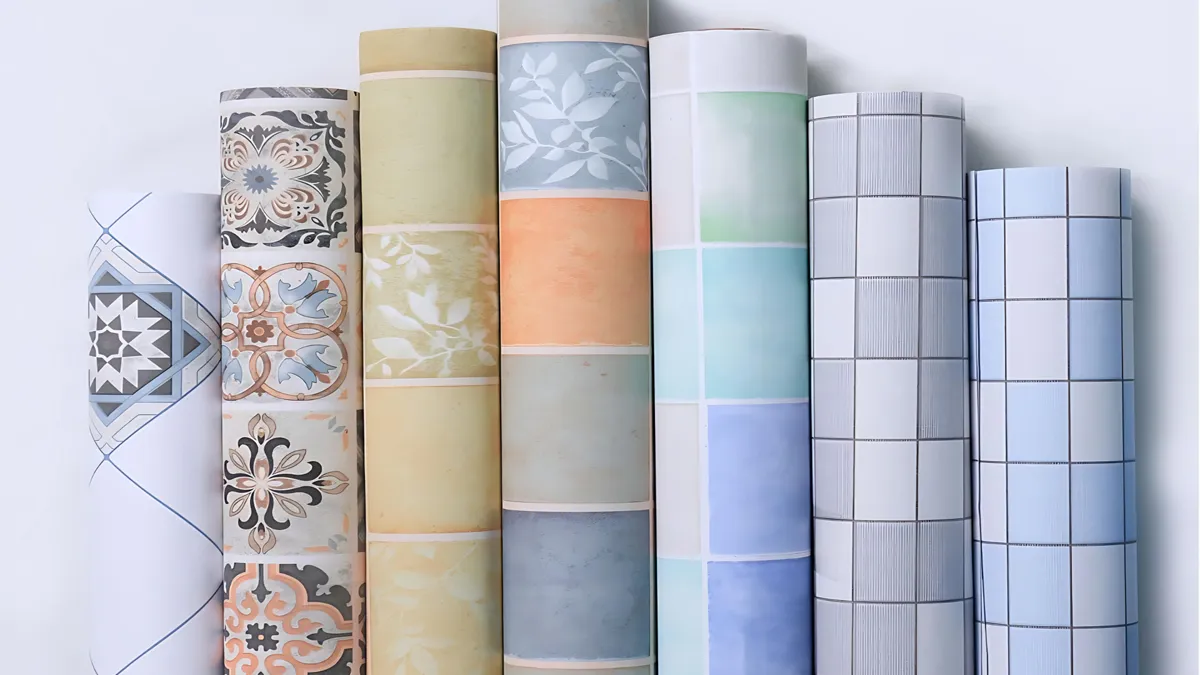
Vinyl window films come in many formulations to address shading, safety, decoration, and branding needs. Below is a concise overview to help you choose the right film for your project.
| Product Type | Primary Features | Common Uses |
|---|---|---|
| Frosted/Etched Vinyl | Light diffusion, privacy, matte finish | Offices, bathrooms, retail changing rooms |
| Decorative Printed Film | Full-color prints, high-resolution patterns | Storefronts, advertising, interior design |
| Reflective & Solar Films | Heat reduction, UV blocking, glare control | Commercial façades, homes in sunny climates |
| Safety & Security Film | Shatter resistance, extra-thick constructions | Banks, schools, government buildings |
Factories with full in-house production and multiple QC checkpoints ensure product consistency and stable lead times. For large-format printed or specialty films, allow time for color proofing and pre-production testing to meet expectations.
Look for partners that provide sample programs, clear MOQ policies, and documented export experience. Verify their equipment list (calendering lines, printing capabilities, split-packaging) and ask for references in your target markets such as Southeast Asia, the Middle East, or Europe.
Pulivk offers full in-house production with calendering, printing, and split-packaging lines—helping reduce costs at the source while delivering flexible OEM and customization options, strict QC, and stable lead times.
Request technical datasheets for adhesion, tensile strength, and UV resistance; confirm packaging and labeling requirements; and order samples in real-world sizes to evaluate light transmission and surface finish before committing to full production.