Address
304 North Cardinal St.
Dorchester Center, MA 02124
Work Hours
Monday to Friday: 7AM - 7PM
Weekend: 10AM - 5PM
Address
304 North Cardinal St.
Dorchester Center, MA 02124
Work Hours
Monday to Friday: 7AM - 7PM
Weekend: 10AM - 5PM


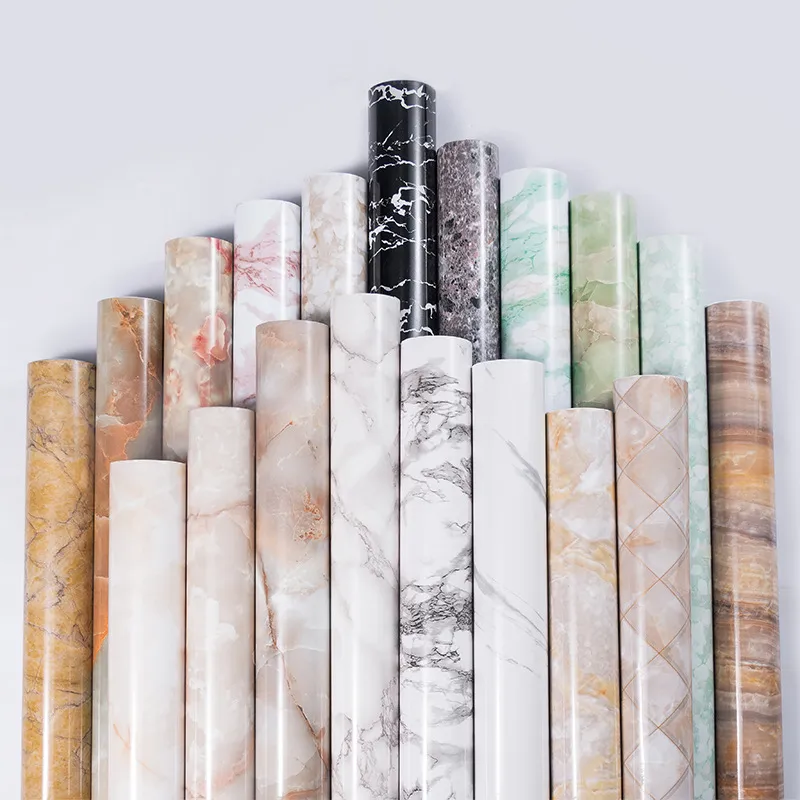
Ethylene vinyl acetate (EVA) film is a versatile polymer sheet used across packaging, solar, construction, footwear, and consumer goods. This guide explains common EVA film uses, material benefits, industry applications, selection tips, and processing advice to help buyers, designers, and manufacturers choose the right grade for their needs.
EVA film is made from copolymers of ethylene and vinyl acetate. It combines the toughness of polyethylene with improved flexibility and adhesion from vinyl acetate. EVA is available in clear, colored, foamed, and laminated forms, and can be formulated for UV resistance, anti-static behavior, or flame retardancy.
Flexibility: Good low-temperature performance and pliability for wrapping and forming. Adhesion: Superior bonding to substrates like glass, metals, and plastics. Transparency: High optical clarity in clear grades.
EVA is widely used for food-contact films, shrink wrapping, and protective layers for glass and furniture because of its clarity, softness, and adhesion. Laminated EVA films create moisture barriers and attractive finishes for retail packaging.
EVA is the industry standard encapsulant for photovoltaic (PV) modules. It bonds solar cells to glass and backsheet, offering long-term adhesion, weather resistance, and electrical insulation. Quality EVA reduces delamination and improves panel lifespan.
Foamed EVA films and sheets are common in shoe midsoles, insoles, and sports equipment due to cushioning, lightweight feel, and shock absorption. EVA also appears in toys, stationery, and household products that require soft, durable surfaces.
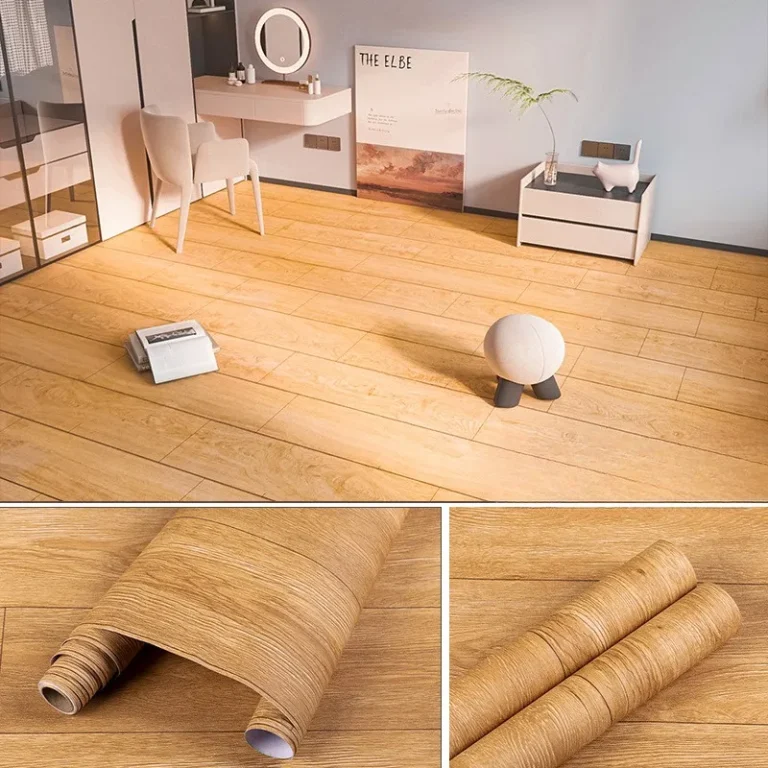
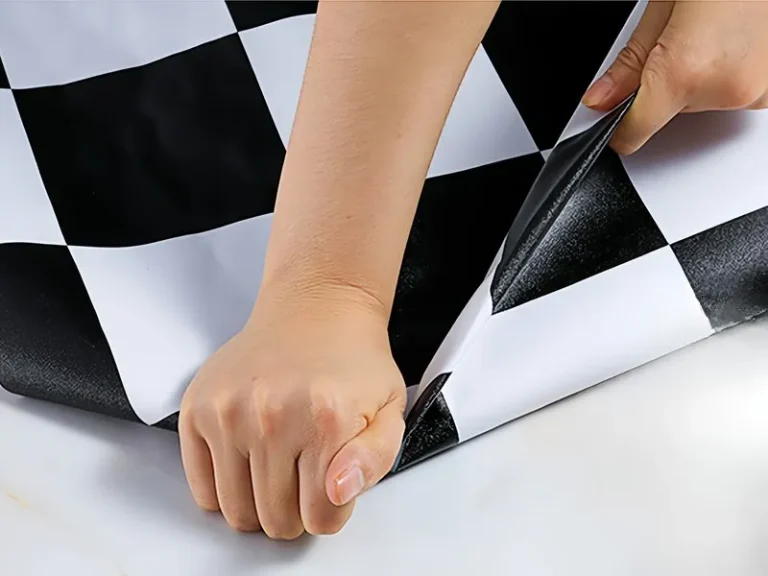
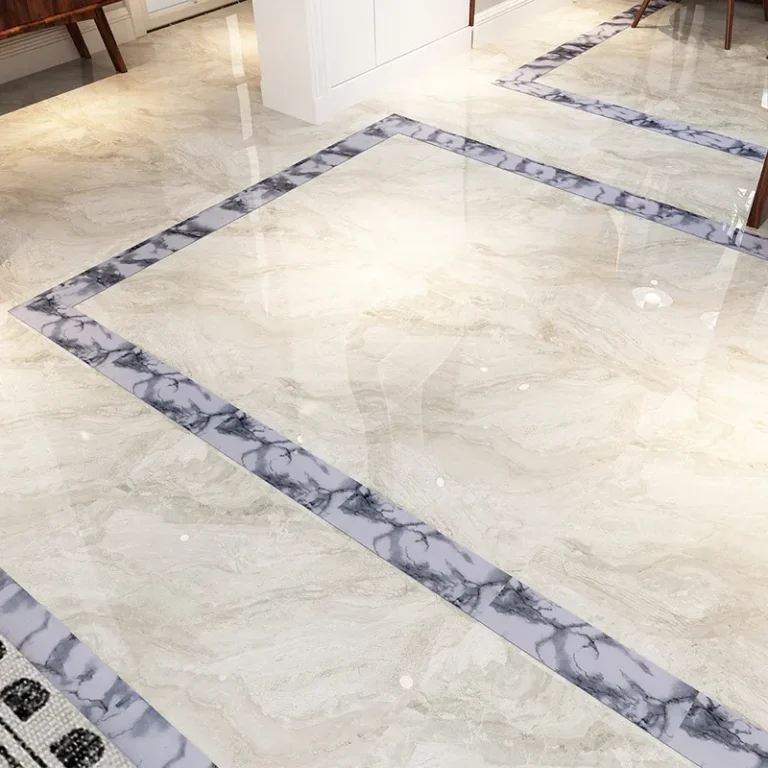
EVA films serve as interlayers in cold-lamination processes for decorative panels, furniture foils, and flooring. They offer strong bonding at moderate temperatures with quick set times.
Certain medical-grade EVA films are used for sterile packaging, tubing covers, and protective barriers because they can be formulated for biocompatibility and sterilization tolerance.
EVA provides long-term resistance to moisture and moderate UV exposure when properly stabilized, making it suitable for outdoor products like solar modules and protective films.
EVA delivers excellent bonding to glass, metal, and many polymers, enabling reliable lamination and encapsulation applications with minimal process complexity.
Available in varied thicknesses and formulations, EVA is compatible with calendering, extrusion, lamination, thermoforming, and foaming processes.
| Industry | Common EVA Uses | Key Advantages |
|---|---|---|
| Solar / Photovoltaic | Cell encapsulants, module lamination | Electrical insulation, strong adhesion |
| Packaging | Food films, shrink wrap, protective covers | Clarity, safe contact grades |
| Footwear & Sports | Cushioned midsoles, insoles | Lightweight, shock absorption |
| Construction & Interiors | Decorative laminates, floor films | Decorative finish, durability |
| Medical & Hygiene | Sterile packaging, barrier films | Sterilizability, safe formulations |
Match EVA properties to the application: higher VA content improves flexibility and adhesion; foamed grades suit cushioning; UV-stabilized or crosslinked EVA is better for long-term outdoor use. Evaluate tensile strength, elongation, density, and optical clarity when specifying material.
Ask suppliers for VA% (vinyl acetate), melt index, density, tensile/elongation, and recommended processing temperatures. Request data sheets and sample rolls to test bonding, clarity, and thermal behavior.
Cold-lamination with EVA films often requires clean substrates, controlled pressure, and the correct temperature profile. During PV lamination, ensure proper degassing and controlled heat cycles to prevent voids and bubbles. For foamed EVA, follow the manufacturer’s curing schedule for consistent cell structure.
Store EVA rolls in a dry, cool place away from direct sunlight and solvents. Keep materials sealed to prevent moisture uptake and dust contamination which can affect lamination quality.
EVA is recyclable in many regions, though recycling streams vary by local infrastructure. Manufacturers increasingly offer recycled-content options and take-back programs for production scrap. Consider lifecycle impacts when choosing formulation and suppliers.
If you need custom sizes, colors, or printed EVA films, consider manufacturers with full in-house production capabilities—calendering, printing, and split-packaging—to ensure consistent quality and faster lead times. Pulivk offers integrated production and OEM support to meet tailored requirements: https://pvcfilmtec.com/
– Define end-use (solar, packaging, footwear, etc.).
– Specify mechanical and optical properties.
– Ask for UV/thermal stability data if used outdoors.
– Request samples and production lead times.
– Confirm packaging and split-roll options for easy handling.
EVA film is a multi-industry material prized for flexibility, adhesion, and clarity. Selecting the proper grade and processing method ensures performance and longevity. Test samples early and work with experienced suppliers for optimized results.