Address
304 North Cardinal St.
Dorchester Center, MA 02124
Work Hours
Monday to Friday: 7AM - 7PM
Weekend: 10AM - 5PM
Address
304 North Cardinal St.
Dorchester Center, MA 02124
Work Hours
Monday to Friday: 7AM - 7PM
Weekend: 10AM - 5PM


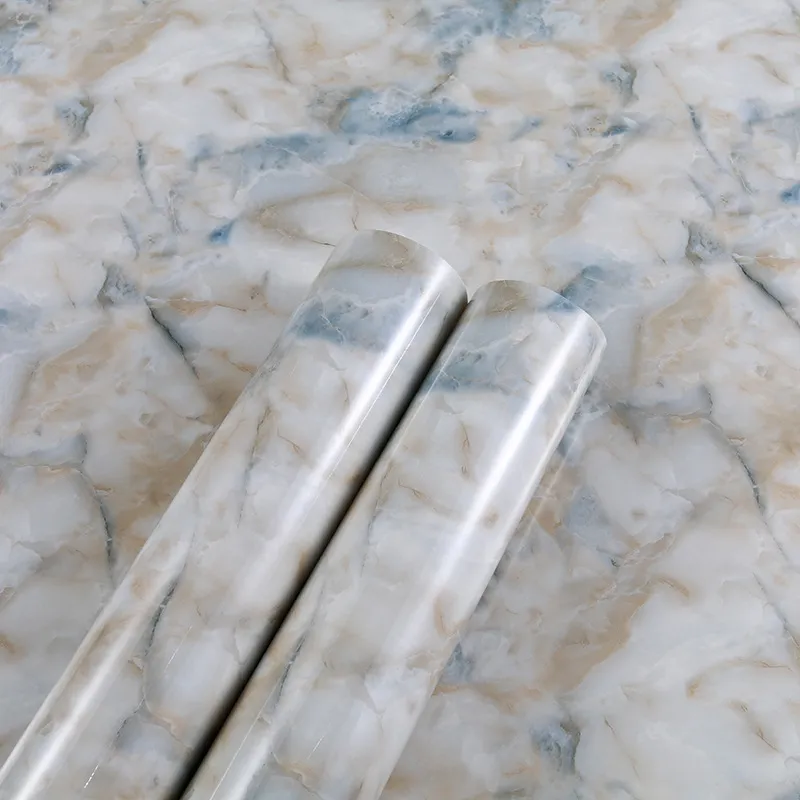
Choosing the right biodegradable alternative to PVC film means balancing performance, cost, and end-of-life outcomes. Below you’ll find a practical guide to the leading compostable and biodegradable films, how they compare on key properties, and tips for selecting the most suitable option for packaging, construction films, and decorative applications.
PVC (polyvinyl chloride) film is ubiquitous because of its durability, printability, and low cost. However, PVC contains chlorine and often requires plasticizers and stabilizers that complicate recycling and disposal. For brands and specifiers focused on sustainability, switching to biodegradable or compostable films reduces long-term environmental impact and helps meet emerging regulatory and retailer requirements.
| Material | Compostability | Moisture Barrier | Typical Uses |
|---|---|---|---|
| PLA (Polylactic Acid) | Industrial composting (EN 13432) | Moderate (improved by coatings) | Food trays, labels, cosmetic packaging |
| PHA (Polyhydroxyalkanoates) | Biodegradable in soil, marine & compost | Good | High-end compostable film, cutlery, sealable bags |
| PBAT / PBAT blends | Industrial composting (with additives) | Good (flexible film) | Compostable shopping bags, flexible packaging |
| Cellulose / Cellophane | Compostable & biodegradable | Moderate (can be waxed/coated) | Candy wrap, labels, gift wrap |
| PVOH (Polyvinyl Alcohol) | Water-soluble; biodegradable under conditions | Low (water-soluble) | Dissolvable sachets, laundry/chemical pods |
| PBS (Polybutylene Succinate) | Industrial composting | Good | Rigid and flexible films for packaging |
PLA is derived from fermented plant starch (usually corn). It provides clarity, good printing surface, and is widely used in food-contact film where industrial composting is available. PLA’s limits are heat resistance and moisture barrier performance — often improved with coatings or as multilayer laminates.
PHA is a family of microbial polyesters that biodegrade in soil, marine environments, and compost. They generally offer better barrier and flexibility than PLA and are an excellent choice where marine degradability is a priority. Cost can be higher but is decreasing with scale and R&D advances.
PBAT is a flexible, biodegradable polyester that is frequently blended with PLA or starch-based polymers to improve toughness and heat-sealing performance. These blends are often the most practical drop-in replacement for flexible PVC films used in bags and seals.
Regenerated cellulose (cellophane) is a traditional biodegradable film made from wood pulp. It has good clarity and is compostable; coatings or barrier layers may be added to improve moisture resistance. It’s well-suited for confectionery and bakery wrap where compostability is required.
PVOH is water-soluble and biodegradable under the right conditions. It’s ideal for single-use pods and specialized applications (e.g., detergents, agrochemical sachets). PVOH is not a direct replacement for all PVC uses due to its water solubility.
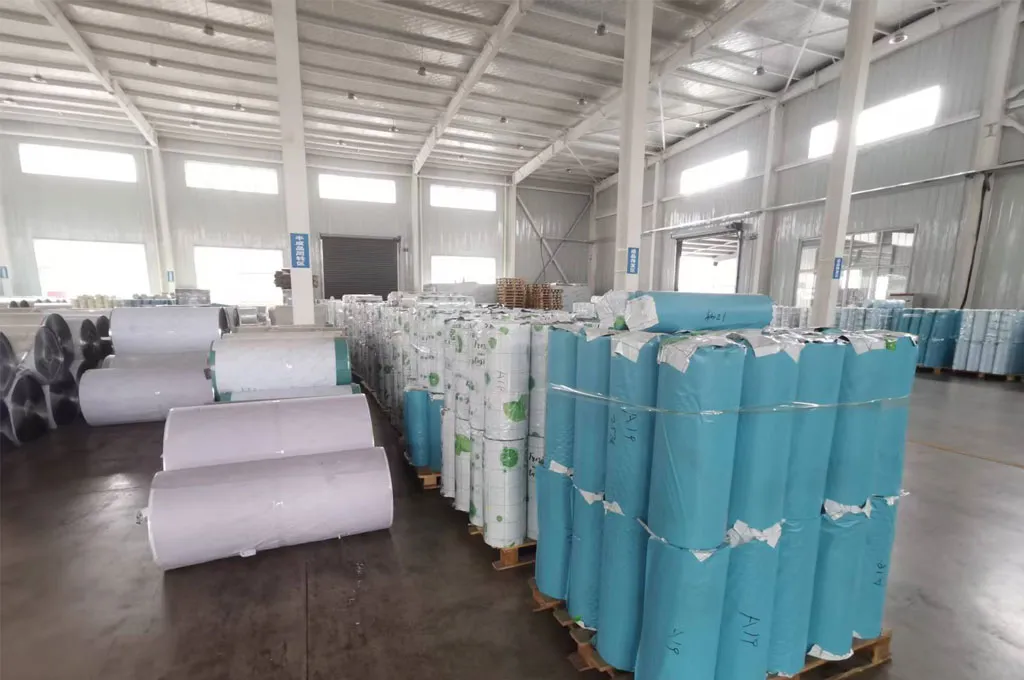
Blending and multilayer constructions are common: a PLA or PHA outer layer for printability with a PBAT core for flexibility, or a cellulose layer with a thin compostable barrier coating to improve moisture resistance. Work with converters who have experience with biodegradable resins to optimize extrusion, calendering, and printing parameters.
Always verify food-contact approvals where applicable, and be transparent on labels about proper disposal routes. Compostable films require collection to reach industrial composters — ensure local infrastructure is available or consider solutions that biodegrade in natural environments if collection is unlikely.
Before switching from PVC, confirm:
For manufacturers and brands evaluating alternatives, Pulivk (https://pvcfilmtec.com/) offers full in-house production capabilities—calendering, printing, and split-packaging—to support tailored film constructions and reliable lead times. Contact their team to discuss specific compostable film formulations and custom OEM runs.
Look for third-party compostability certifications, supplier technical data sheets (TDS), and real-world case studies to validate performance before converting packaging lines. The right biodegradable film balances function, certification, and the practicalities of disposal in your market.