Address
304 North Cardinal St.
Dorchester Center, MA 02124
Work Hours
Monday to Friday: 7AM - 7PM
Weekend: 10AM - 5PM
Address
304 North Cardinal St.
Dorchester Center, MA 02124
Work Hours
Monday to Friday: 7AM - 7PM
Weekend: 10AM - 5PM


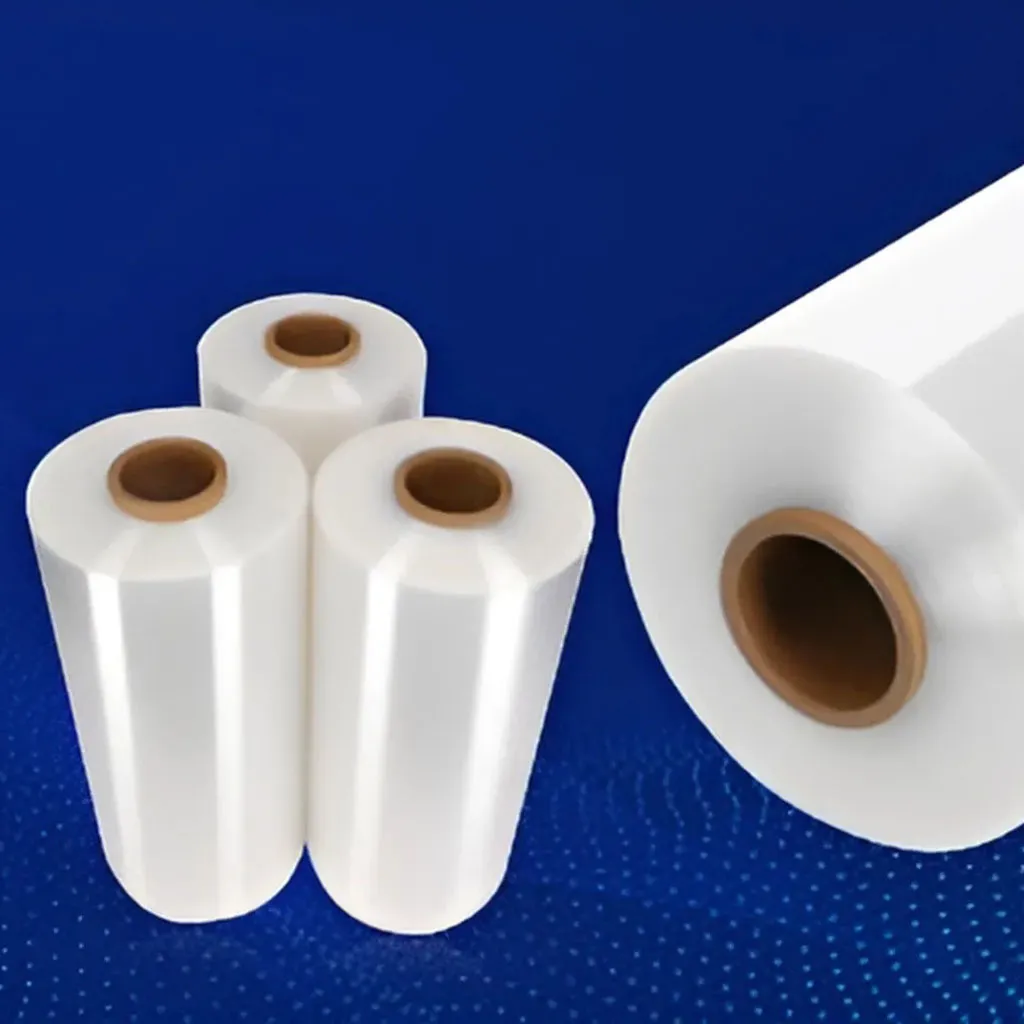
Eco-friendly packaging film is reshaping how brands protect products while reducing environmental impact. From compostable alternatives to recyclable mono-materials, every option balances performance, cost, and end-of-life outcomes. This guide explains the main types of sustainable packaging films, their properties, and where they work best.
Sustainable films cut plastic waste, support circularity, and meet growing consumer demand for greener packaging. Beyond environmental benefits, choosing the right film can improve shelf life, reduce transport weight, and simplify recycling streams.
Lower carbon footprint, increased recyclability, reduced reliance on fossil feedstocks, and improved compostability where appropriate. Matching material performance with disposal infrastructure is critical to real environmental gains.
Made from bio-based polymers like PLA (polylactic acid), PBAT blends, or starch-based materials. These films break down under industrial composting conditions and are suited for single-use items and food packaging where composting infrastructure exists. Note: industrial compostability differs from home compostability—check certification.
Films produced wholly or partly from post-consumer or post-industrial recycled plastics (rPET, rPE). They reduce virgin plastic demand and can maintain good barrier and mechanical properties for many packaging applications.
Mono-material solutions (PE, PE/PE laminates, PP) are designed to be mechanically recycled through existing streams. These films avoid hard-to-recycle multi-layer combinations and improve recycling yields.
Bio-PE uses renewable feedstocks (e.g., ethanol from sugarcane) but is chemically identical to conventional PE. It provides familiar performance while cutting fossil carbon footprint. Bio-PE is recyclable alongside conventional PE.
Transparent cellulose films (e.g., NatureFlex) and coated paper options are renewable and, in many cases, compostable or recyclable. They work well for lightweight packaging, labels, and food wraps when barrier needs are moderate.
Polyvinyl alcohol (PVOH) films dissolve in water and are used for single-dose detergents, agricultural applications, and some medical uses. These are niche but highly functional for specific use-cases.
To protect sensitive products, some eco-friendly films combine recyclable mono-material bases with functional coatings or coatings that are designed to be removed, downgauged, or replaced with recyclable polymers—enabling both barrier performance and circularity.
| Type | Typical Material | Compostable | Recyclable | Best Uses |
|---|---|---|---|---|
| Biodegradable / Compostable | PLA, PBAT blends, starch | Yes (industrial) | Limited | Takeaway food, compostable bags |
| Recycled-Content | rPET, rPE | No | Yes (depends on stream) | Consumer goods, flexible pouches |
| Mono-Material Recyclable | PE, PP | No | High | Retail bags, liners, mailers |
| Bio-PE | Bio-based PE | No | Yes | Bottles, films, pouches |
| Cellulose / Paper Films | Cellulose, coated paper | Often | Sometimes | Labels, wraps, bakery packaging |
| Water-Soluble | PVOH | No (dissolves) | No | Detergent pods, niche products |
Start with product protection needs (moisture, oxygen, grease), then evaluate end-of-life options in your market. If local industrial composting is unavailable, prefer recyclable mono-materials or recycled-content films. For food contact, confirm regulatory compliance and migration limits.
Manufacturers with full in-house capabilities can streamline quality, reduce lead times, and offer tailored solutions. Pulivk (https://pvcfilmtec.com/) provides calendering, printing, and split-packaging lines that support flexible OEM options, strict QC, and global export experience—useful when you need custom sizes, prints, and reliable supply.
Prototype films with your product to validate barrier and sealing behavior. Ask suppliers for certifications (e.g., EN 13432, ASTM D6400, ISCC, or recycled content statements) and request technical datasheets showing barrier, seal strength, and migration tests.
Clear on-pack instructions (Recycle/Compost/Dispose) improve proper end-of-life handling. When using compostable films, include required certification logos and disposal guidance so consumers can take the correct action.
There is no one-size-fits-all solution. The best eco-friendly packaging film balances product protection, material circularity, and the real-world disposal systems available to your customers. Work with experienced producers to test options, verify performance, and scale sustainably.