Address
304 North Cardinal St.
Dorchester Center, MA 02124
Work Hours
Monday to Friday: 7AM - 7PM
Weekend: 10AM - 5PM
Address
304 North Cardinal St.
Dorchester Center, MA 02124
Work Hours
Monday to Friday: 7AM - 7PM
Weekend: 10AM - 5PM


 ByPulivk
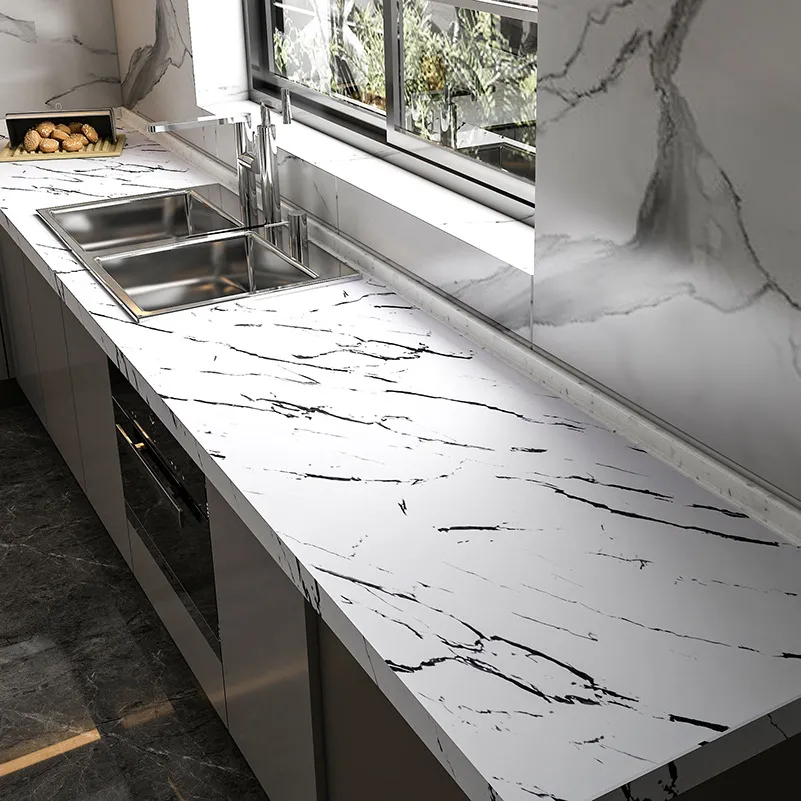
The right protection film preserves the beauty of natural and engineered stone during fabrication, transport, installation and renovation. This guide breaks down the common types of stone protection film, how they differ, what each is best for, and practical tips for choosing and using them to avoid damage to surfaces like marble, granite, quartz and porcelain.
Stone surfaces are costly and often receive finishing treatments (polish, honed, sealed). A purpose-made protective film prevents scratches, stains, edge chipping and UV discoloration while still being easy to remove. Good protection film saves time and money — fewer reworks, less chemical cleaning, and safer shipping.
PE film is lightweight, affordable and commonly used for short-term protection. It typically has a light pressure-sensitive adhesive and good moisture resistance. Use it for temporary protection during manufacturing, short transport or interior remodeling.
PVC films are thicker, more durable and available in clear, frosted or printed finishes. They resist tearing and often include stronger adhesives that remove cleanly when specified. PVC is popular when longer protection or printed branding/labels are required.
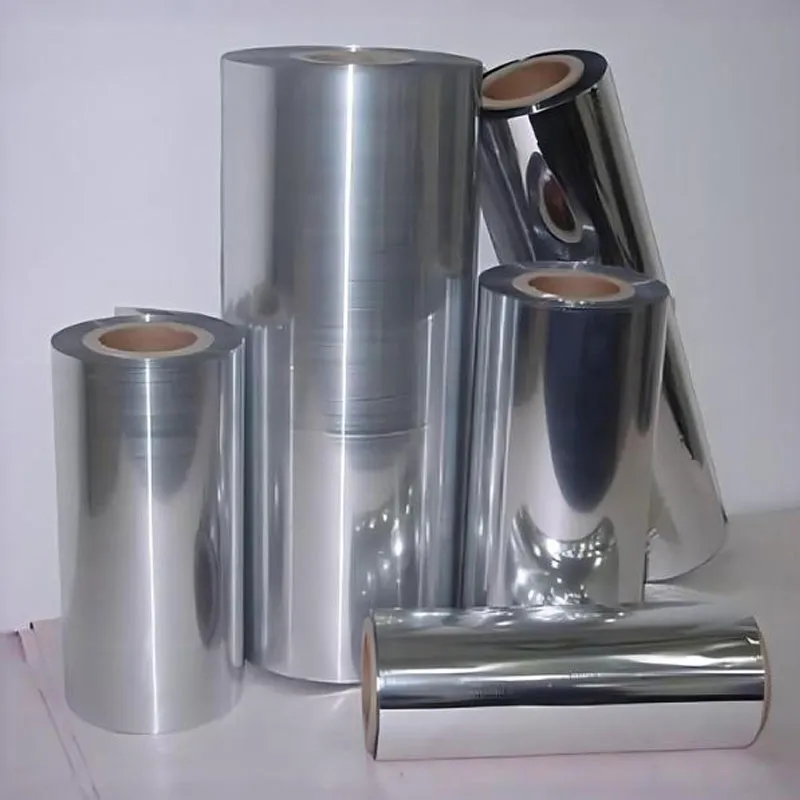
PET offers exceptional clarity, higher temperature resistance and excellent dimensional stability. It’s ideal for polished stone that needs optical clarity or when protection must endure heat during processes like lamination or on-site fabrication.
These adhesives dissolve with water or specific cleaners, allowing residue-free removal in sensitive production lines. They’re used where dust, grit or adhesive residue would be a problem — for example in precision fabrication or final cleaning stages.
Adhesive strength matters: low-tack peels easily for delicate surfaces; medium-tack is general-purpose; high-tack is for rough or textured stone and outdoor exposures. Choose adhesive based on surface finish and time the film will remain in place.
Anti-scratch films have tougher surface layers to resist abrasion during handling. Anti-static films reduce dust attraction on honed or matte stones used in clean or indoor environments.
| Type | Typical Thickness | Best for | Removability | Cost |
|---|---|---|---|---|
| PE Film | 20–100 μm | Short-term transport & renovation | Easy | Low |
| PVC Calendered | 30–200 μm | Longer protection, printed options | Good (if matched to surface) | Medium |
| PET Film | 25–150 μm | High clarity, heat resistance | Very clean | High |
| Water-soluble Film | 20–80 μm | Cleanrooms, final cleaning stages | Dissolves | Medium |
Match film type to the project timeline and stone finish: polished, honed and sealed surfaces need low-residue films. For outdoor stone or long storage, pick UV-stable and heavier films. Always test a sample on an inconspicuous area to confirm clean removal after the planned exposure time.
Before applying film, clean the stone surface of dust, oils and moisture. Apply at moderate ambient temperature for best adhesive performance. When removing, warm the film slightly if adhesive is cold-hardened, pull slowly at a low angle and keep steady tension to prevent residue. If residue occurs, use manufacturer-recommended solvents or a mild alkaline cleaner—test first.
Store rolls flat in cool dry conditions and avoid prolonged direct sunlight. PVC and PET have different end-of-life profiles; follow local regulations for disposal or recycling. For sensitive indoor environments, choose anti-static or low-VOC adhesive formulations.
If you need custom sizes, printed protection, split-packaging, or bulk supply with reliable lead times, work with a manufacturer that controls production. Pulivk (Henan Pulivk New Materials Co., Ltd. – https://pvcfilmtec.com/) offers full in-house production including calendering, printing and split-packaging to ensure consistent quality and customization for stone protection films.
Choose a film by checking: surface finish compatibility, adhesive tack level, exposure duration, UV/temperature resistance, and ease of removal. Use the table above to narrow options, test before large-scale use, and document removal procedures for on-site crews to prevent accidental surface damage.