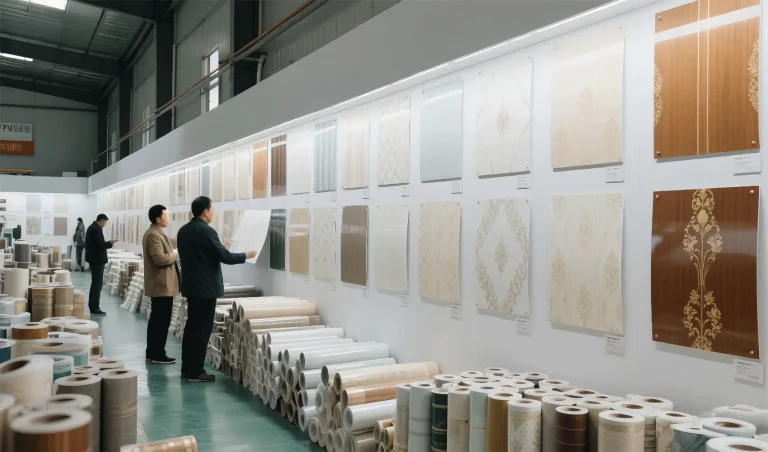
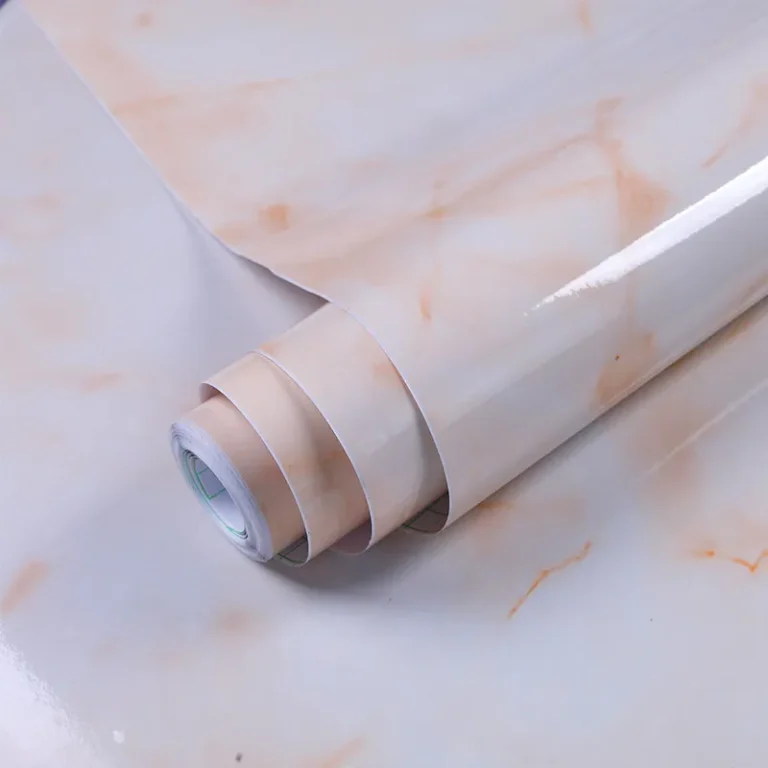
Address
304 North Cardinal St.
Dorchester Center, MA 02124
Work Hours
Monday to Friday: 7AM - 7PM
Weekend: 10AM - 5PM
Address
304 North Cardinal St.
Dorchester Center, MA 02124
Work Hours
Monday to Friday: 7AM - 7PM
Weekend: 10AM - 5PM


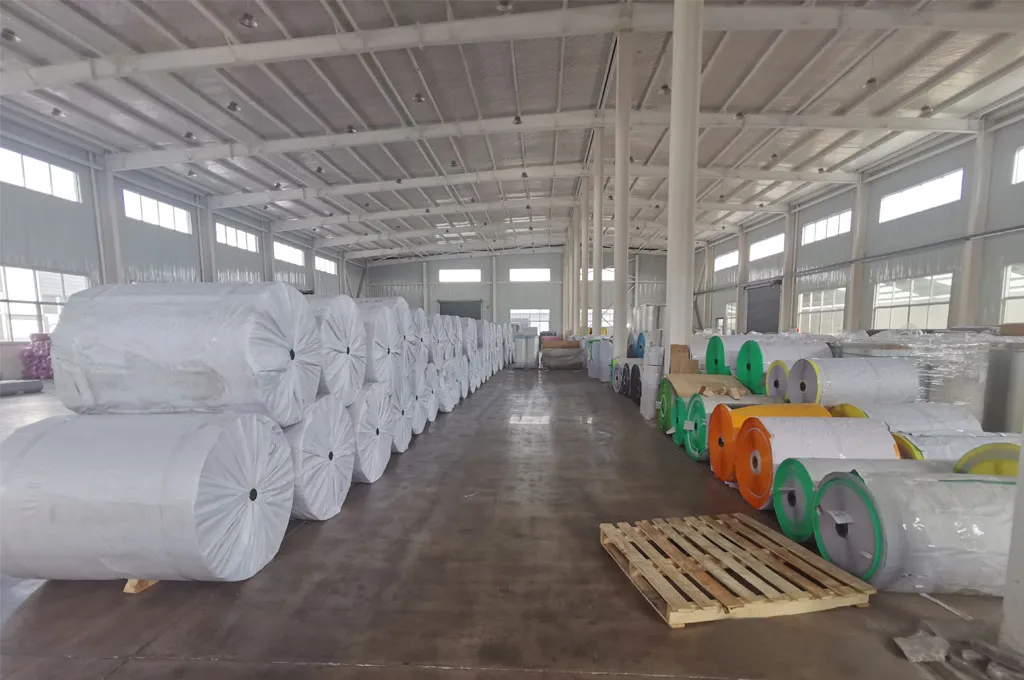
PVC film rewinding is the industrial process of re-rolling PVC film from large production cores into smaller, precisely controlled rolls for storage, printing, or customer delivery. It improves roll consistency, corrects edge defects, and prepares film for downstream tasks like printing, laminating, or split-packaging.
Better roll quality: rewinding removes wrinkles, misalignment, and uneven tension that can occur during production. This results in smoother unwinding in your production line and fewer machine stops.
Logistics and usability improve because rewound rolls can be sized to meet transport and handling requirements—smaller rolls for retail or specialty printers, larger rolls for high-volume converters.
1. Inspection & slitting: operators inspect the parent roll, remove damaged edges, and slit into required widths if needed.
2. Core loading: new cores (paper, plastic or steel) are mounted; core selection affects roll stability and transport safety.
3. Controlled tension winding: tension is carefully set so layers lie flat; modern rewinders use dancer rolls and load cells for real-time control.
4. Diameter and trimming: winding continues until the target roll diameter is reached; edges are trimmed cleanly to avoid damage later.
5. Packing & labeling: finished rolls are wrapped (PE film or kraft paper), labeled with specs, and prepared for shipment or storage.
Interior surface films for wardrobes, cabinets and furniture—precision rolls reduce printing defects and ensure consistent application by installers.
Floor and skirting films used in renovation projects, where smaller roll sizes make on-site handling easier for contractors and DIY enthusiasts.
Protective and packaging films tailored to food packaging, electronics protection, or construction materials—rewinding enables custom lengths and core types required by different industries.
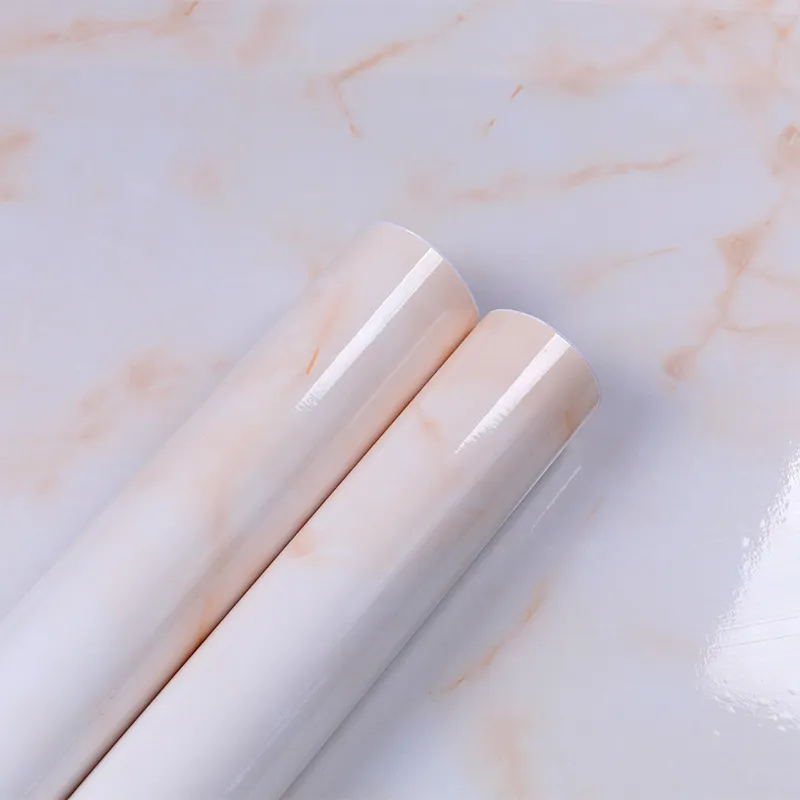
Rewinders range from semi-automatic turret machines to high-speed automatic center-wind rewinders with tension feedback. Key QC checks include surface inspection, tension uniformity, and concentricity of the wound roll.
| Parameter | Common Range | Why It Matters |
|---|---|---|
| Roll width | 50 mm – 1600 mm | Matches customer slit specs and printer capacities |
| Core diameter | 25 mm – 76 mm (standard) | Affects handling and compatibility with downstream equipment |
| Max roll diameter | 200 mm – 1000 mm | Determines storage and transport volume |
| Tension control | 0.1–5 N/cm (adjustable) | Prevents wrinkles and telescoping |
| Rewind speed | 1–250 m/min | Balances throughput with quality control |
Look for suppliers that offer in-house calendering, printing, and split-packaging so rewinding can be tailored to finished-product needs. Pulivk (https://pvcfilmtec.com/) provides full in-house production, OEM customization, and split-packaging—helpful when you need consistent quality and reliable lead times.
Specify the end use: tell your supplier whether the film is for printing, flooring, or packaging—each use needs different tension and core choices.
Request samples: a small rewound roll sample helps check edge quality, print acceptance, and unwind behavior.
Confirm labeling and packing: clear labels with width, thickness, and lot number save time during inventory and installation.
Q: Does rewinding change film properties? A: Proper rewinding does not alter film chemistry but affects mechanical behavior (tension, flatness) which improves downstream performance.
Q: Can all PVC films be rewound? A: Yes—transparent, embossed, self-adhesive, and decorative films can all be rewound; the technique is adjusted for thickness and surface finish.
Q: How fast is rewinding turnaround? A: Turnaround depends on capacity and customization; factories with integrated lines usually offer the fastest, most consistent lead times.
If you need custom roll sizes, specific core options, or repeatable wound quality for printing and installation, specifying rewinding requirements early in the ordering process will save time and reduce waste downstream.