Address
304 North Cardinal St.
Dorchester Center, MA 02124
Work Hours
Monday to Friday: 7AM - 7PM
Weekend: 10AM - 5PM
Address
304 North Cardinal St.
Dorchester Center, MA 02124
Work Hours
Monday to Friday: 7AM - 7PM
Weekend: 10AM - 5PM


 ByPulivk
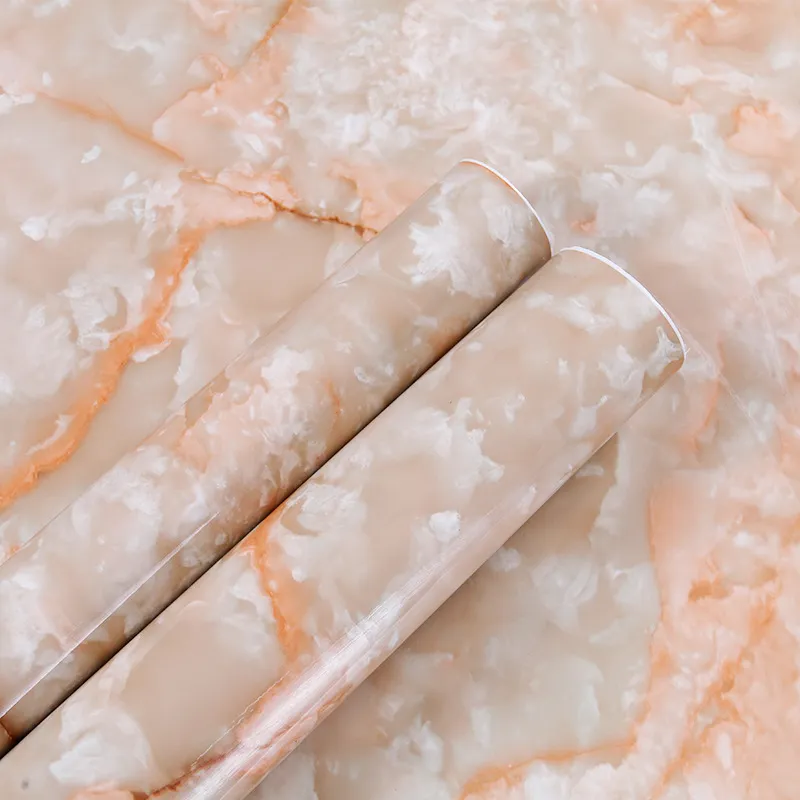
A building waterproof membrane is a continuous layer applied to structures to prevent water ingress. Widely used in roofs, basements, balconies, terraces, and wet interiors, membranes protect building fabric and finishes from moisture damage, mold, and structural deterioration. Understanding the different types, uses, and benefits helps designers, contractors, and homeowners choose the right solution for each project.
In simple terms, a waterproof membrane is a durable barrier—either sheet-based or liquid-applied—that blocks water and vapor from penetrating critical building elements. Membranes can be installed as standalone layers or integrated into roofing assemblies and below-grade systems. They come in various chemistries and formats to match performance requirements, substrate types, and climatic conditions.
Water exclusion, vapor control where required, and protection of thermal insulation and structural elements. Some membranes also provide UV resistance, root resistance for green roofs, or pedestrian traffic-wear capacity for terraces and podiums.
Bitumen-based sheets (torch-on or self-adhesive) are traditional choices for flat and low-slope roofs. They offer good durability and are cost-effective for many building types.
EPDM is a synthetic rubber sheet membrane known for flexibility, excellent weathering resistance, and long service life—especially suitable for low-slope roofs and exposed installations.
PVC and TPO single-ply membranes are welded at seams for durable, watertight joints. They provide good chemical resistance and are widely used on commercial rooftops and terraces.
Liquid systems (polyurethane, acrylic, or hybrid polymers) are spray- or trowel-applied to form seamless membranes. Ideal for complex details, balcony drains, and areas with frequent penetrations.
These are often used for concrete basements, tunnels, and water tanks. Cementitious coatings and crystalline additives penetrate concrete pores to reduce permeability.
| Type | Key Advantages | Typical Lifespan | Best For |
|---|---|---|---|
| Bituminous (torch/self-adhesive) | Cost-effective, proven performance | 15–30 years | Flat roofs, podiums |
| EPDM | Flexible, UV-resistant | 25–35 years | Low-slope roofs, exposed surfaces |
| PVC / TPO | Heat-welded seams, chemical resistant | 20–30 years | Commercial roofs, terraces |
| Liquid-Applied | Seamless, detail-friendly | 10–25 years (depends on system) | Balconies, bathrooms, irregular shapes |
| Cementitious / Crystalline | Good for submerged or below-grade concrete | 20+ years (with sound concrete) | Basements, tunnels, water tanks |
Membranes are selected by application: roofing, balconies, bathrooms, planter boxes, foundations, bridges, and transportation structures. For example, pedestrian terraces may require a traffic-bearing membrane plus protection layers, while basements need systems compatible with hydrostatic pressure and soil conditions.
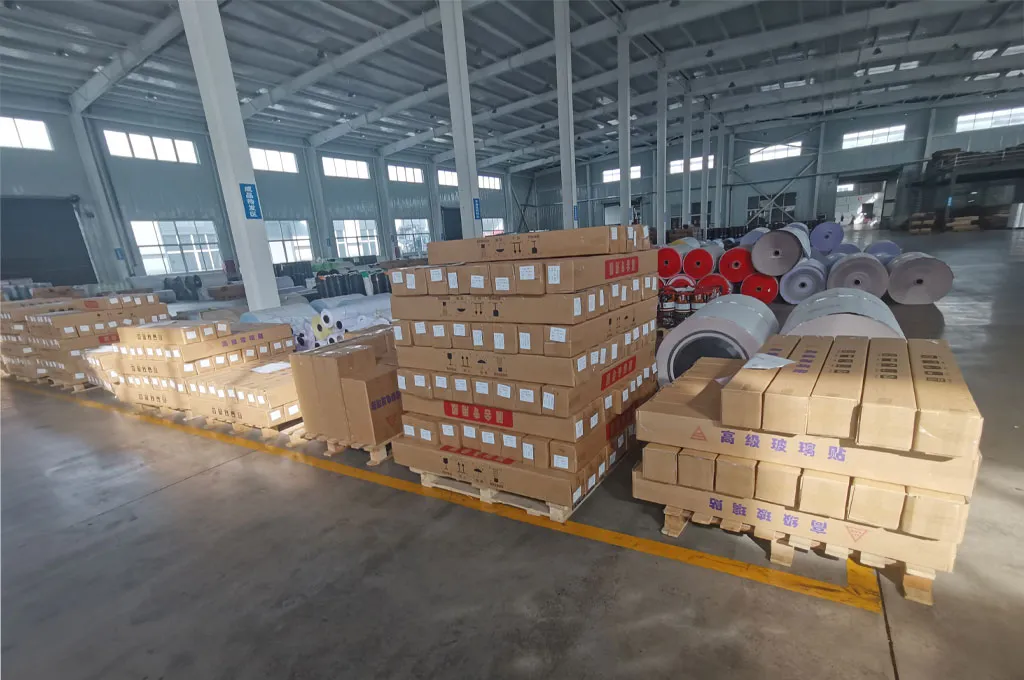
Long-term asset protection: prevents moisture-related deterioration of structure and finishes. Improved indoor air quality by reducing mold risk. Enhanced building value and lower lifecycle costs through fewer repairs and maintenance events.
Consider exposure (UV, chemicals, root systems), expected foot traffic, thermal movement, substrate type, and local climate. Match membrane flexibility and seam method to the project’s detailing complexity. Always check manufacturer technical data and compatibility with adhesives, insulation, and finishes.
Ensure surfaces are clean, dry, and properly primed. Follow recommended overlaps, welding or bonding procedures, and detail all penetrations (drains, upstands, parapets) with compatible flashing materials. For liquid systems, apply at the specified wet-film thickness and allow full cure before traffic or topping layers.
Regular inspections (after storms and seasonally) catch punctures, seam splits, or ponding early. Keep drainage clear, repair punctures with manufacturer-approved patch systems, and recoat walkways or exposed liquid membranes when UV degradation is visible.
Look for products with environmental declarations, low-VOC formulations, and recyclability where possible. Compliance with local building codes, CE marking (in Europe), ASTM or ISO standards for membrane performance ensures predictable behavior and warranty acceptance.
Higher initial cost membranes like PVC, TPO, or premium EPDM can deliver lower lifecycle costs due to longer service life and reduced maintenance. Liquid-applied membranes are cost-efficient for complex details but may require periodic recoating.
Skipping substrate preparation, improper flashing at transitions, incorrect primer selection, and neglecting drainage design are frequent causes of premature failure. Engaging experienced installers and following system warranty procedures protects the investment.
Contact system manufacturers or certified installers for project-specific specifications, details, and drainage plans. For product sourcing and OEM film solutions, visit Pulivk: https://pvcfilmtec.com/