Address
304 North Cardinal St.
Dorchester Center, MA 02124
Work Hours
Monday to Friday: 7AM - 7PM
Weekend: 10AM - 5PM
Address
304 North Cardinal St.
Dorchester Center, MA 02124
Work Hours
Monday to Friday: 7AM - 7PM
Weekend: 10AM - 5PM


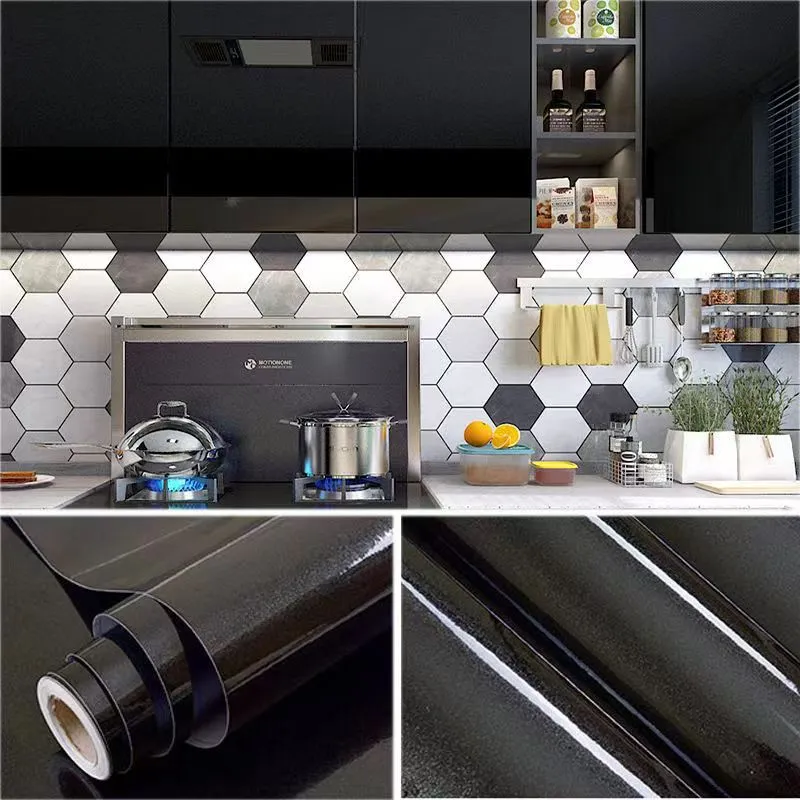
BOPP (Biaxially Oriented Polypropylene) film is a versatile, cost-effective plastic film produced by stretching polypropylene in two directions. Widely used across packaging, labeling, lamination, and graphic applications, BOPP offers excellent clarity, strength, and printability—making it a top choice for brands, converters, and industrial users seeking durable, attractive film solutions.
BOPP is a polypropylene film that has been stretched longitudinally and transversely during production to improve mechanical and optical properties. The biaxial orientation gives BOPP its characteristic tensile strength, stiffness, and gloss levels while keeping manufacturing costs low.
Production starts with extruded polypropylene sheets that are then stretched in two perpendicular directions under controlled temperature. This orientation aligns polymer chains and enhances film properties such as tensile strength, barrier performance, and dimensional stability. Coatings or metallization can be added for specialized applications like barrier packaging or decorative finishes.
Clear BOPP: High transparency for high-quality printing and labeling.
Matte BOPP: Low glare surface for elegant packaging and lower fingerprint visibility.
Metallized BOPP: Enhanced barrier and premium look for snack bags and confectionery.
Coated/Heat-sealable BOPP: For packaging where sealing or ink adhesion is required.
| Property | Typical Range / Value | Why It Matters |
|---|---|---|
| Gauge (thickness) | 12–40 µm (common) | Controls stiffness, barrier, and cost—thinner is cheaper, thicker is stronger. |
| Tensile strength | High (biaxial) | Resists tearing and stretching during packaging and transport. |
| Surface finish | Glossy, matte, silk | Affects appearance, print reproduction, and slip characteristics. |
| Moisture barrier | Moderate (improvable with coatings) | Suitable for many dry-food and consumer goods; metallization enhances barrier. |
| Printability | Excellent when coated | High-quality graphics for labels and flexible packaging. |
Cost-effective: Low raw material cost and efficient production make BOPP economical for high-volume applications.
Strong & Durable: High tensile strength and tear resistance protect products during handling and shipping.
Excellent Print Quality: Coated BOPP reproduces sharp, vibrant graphics for retail packaging and labels.
Versatile Finishes: Available in gloss, matte, textured and metallized surfaces to match brand aesthetics.
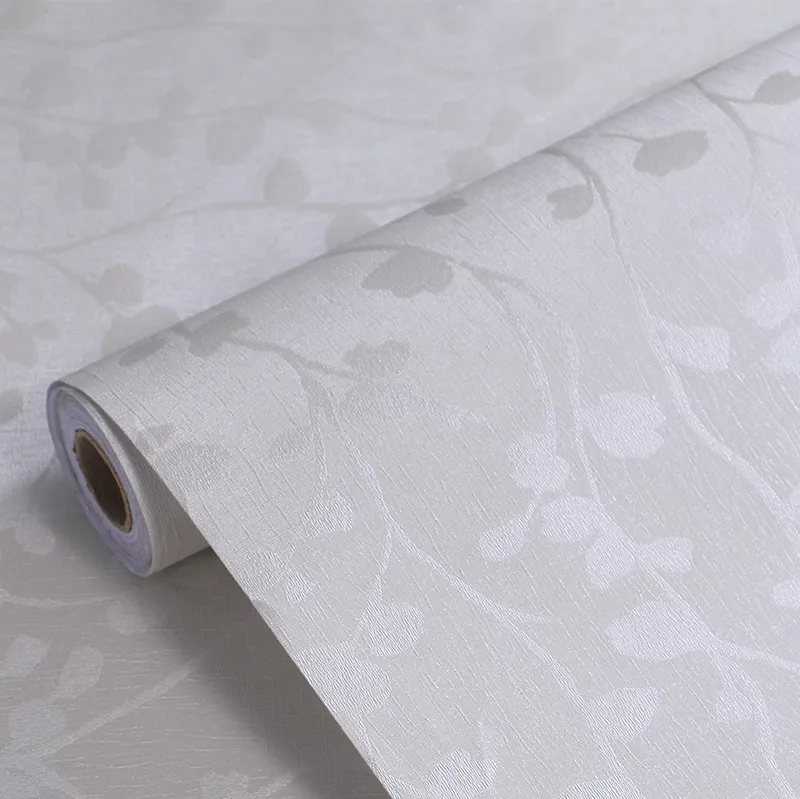
Flexible Packaging: Snacks, confectionery, biscuits, and frozen foods—often metallized or coated for barrier and sealing.
Labels & Wraps: Clear BOPP is ideal for pressure-sensitive labels and shrink-wrap-style applications.
Laminates: Protective lamination for printed materials, stationery, and book covers.
Industrial & Decorative Films: Surface protection films, decorative overlays, and point-of-sale displays benefit from BOPP’s durability and finish options.
Consider these factors when selecting BOPP:
Thickness: Determine stiffness and protection needs. Thicker gauges for heavy-duty protection, thinner for cost savings.
Surface Treatment: Choose coated or corona-treated films for improved ink adhesion or lamination compatibility.
Barrier Needs: Use metallized or multi-layer constructions when moisture or oxygen barriers are critical.
Finish: Select gloss for high-impact visuals, matte or silk for premium, low-reflective packaging.
Store rolls in a cool, dry environment away from direct sunlight to prevent heat-related deformation. Use proper unwind tension and avoid sharp edges during converting to reduce edge defects. For best print results, consult your ink and adhesive suppliers for compatibility with the chosen BOPP grade.
BOPP is recyclable where polypropylene collection streams exist. Metallized BOPP and mixed constructions can be harder to recycle; consider mono-material designs to improve end-of-life recyclability. Many converters and brands are shifting to recyclable BOPP laminates and incorporating recycled PP where feasible.
Gauge: 12–40 µm • Density: ~0.9 g/cm³ • Temp range for use: -20°C to 90°C (short term) • Typical roll widths: custom up to meter-scale.
Is BOPP food-safe? Yes—many BOPP grades are formulated for direct and indirect food contact, but always check specific migration and regulatory certifications for your market.
Can BOPP be heat-sealed? Coated or heat-sealable BOPP variants are available for pouch and bag sealing; uncoated BOPP typically requires lamination with sealant layers.
How to improve print adhesion? Use corona-treated or coated BOPP and choose inks designed for polypropylene substrates.
For OEM customization, consistent quality control, and full in-house production capabilities, consider contacting Henan Pulivk New Materials Co., Ltd. (Pulivk) via https://pvcfilmtec.com/ for tailored BOPP solutions including calendered, printed, and split-packaged films.