Address
304 North Cardinal St.
Dorchester Center, MA 02124
Work Hours
Monday to Friday: 7AM - 7PM
Weekend: 10AM - 5PM
Address
304 North Cardinal St.
Dorchester Center, MA 02124
Work Hours
Monday to Friday: 7AM - 7PM
Weekend: 10AM - 5PM


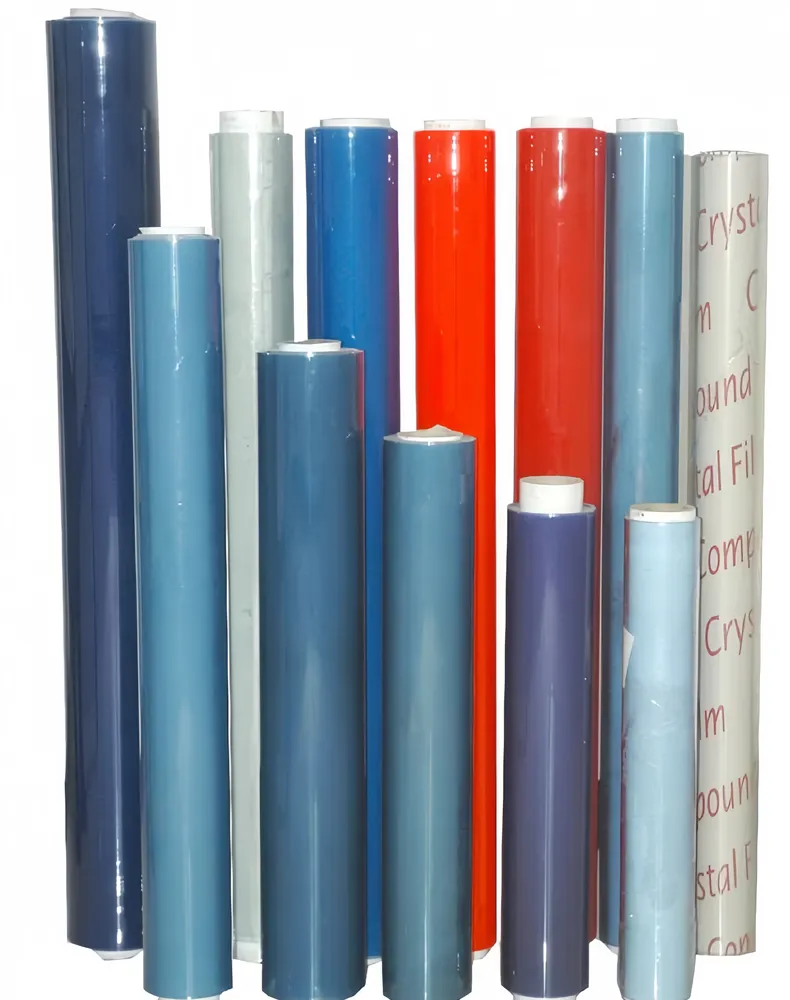
Conductive film is a thin, transparent or translucent layer engineered to carry electrical charge across a touch surface. It forms a key element in modern touch-screen systems — enabling precise, low-power input while maintaining optical clarity. This guide explains what conductive film is, how it works, common materials and types, performance metrics, real-world uses, and tips for choosing the right film for your project.
Conductive film is a specialty polymer or composite layer that provides an electrically conductive path while preserving transparency and mechanical flexibility. In touchscreens it usually sits under an outer cover glass or plastic surface to detect touch via capacitive or resistive sensing. Its role is both electrical and optical: maintain low sheet resistance while allowing high light transmittance for bright, accurate displays.
The market uses several material technologies, each with trade-offs in cost, durability, conductivity, and transparency:
Selection depends on the sensing method and product demands:
When evaluating conductive film, three metrics are most critical:
| Property | Typical Range | Why It Matters |
|---|---|---|
| Sheet Resistance (Ω/sq) | 5 – 100 Ω/sq | Lower values improve touch sensitivity and multi-touch accuracy. |
| Optical Transmittance (%) | 85% – 98% | Higher transmittance delivers brighter, clearer displays. |
| Thickness (μm) | 0.1 – 200 μm | Affects flexibility, durability, and integration options. |
Top advantages include:
Conductive films power a broad range of interactive devices:
Match material and specs to product requirements:
Look for manufacturers that provide:
To maintain performance and reduce defects:
Material choice affects recyclability. Emerging conductive inks and carbon-based films can lower reliance on scarce elements like indium and improve circularity. Ask suppliers for material composition data and recycling recommendations for end-of-life handling.
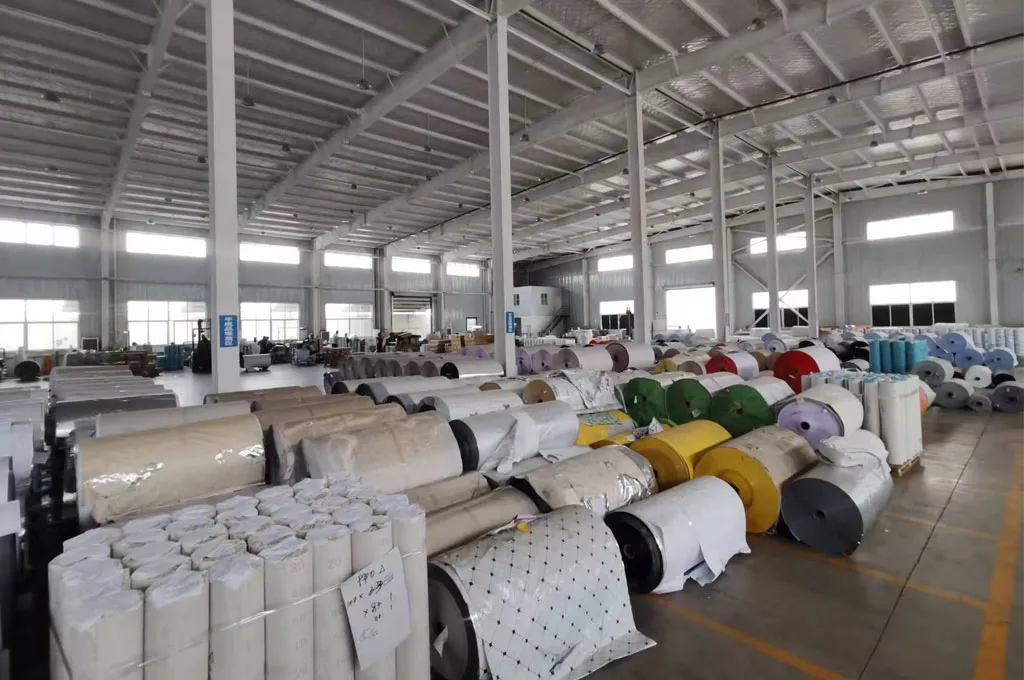
Henan Pulivk New Materials Co., Ltd. (Pulivk) offers full in-house production capabilities — calendering, printing, and split-packaging — enabling tailored conductive film solutions with tight quality control; visit https://pvcfilmtec.com/ for details.