Address
304 North Cardinal St.
Dorchester Center, MA 02124
Work Hours
Monday to Friday: 7AM - 7PM
Weekend: 10AM - 5PM
Address
304 North Cardinal St.
Dorchester Center, MA 02124
Work Hours
Monday to Friday: 7AM - 7PM
Weekend: 10AM - 5PM


In the world of modern manufacturing and design, few materials offer the combination of versatility, clarity, and functionality that PVC clear film does. As a type of polyvinyl chloride film, it has become an indispensable component across countless industries, from protective packaging to high-end interior decoration. Its unique properties bridge the gap between practical utility and aesthetic appeal, making it a preferred choice for engineers, designers, and manufacturers alike.
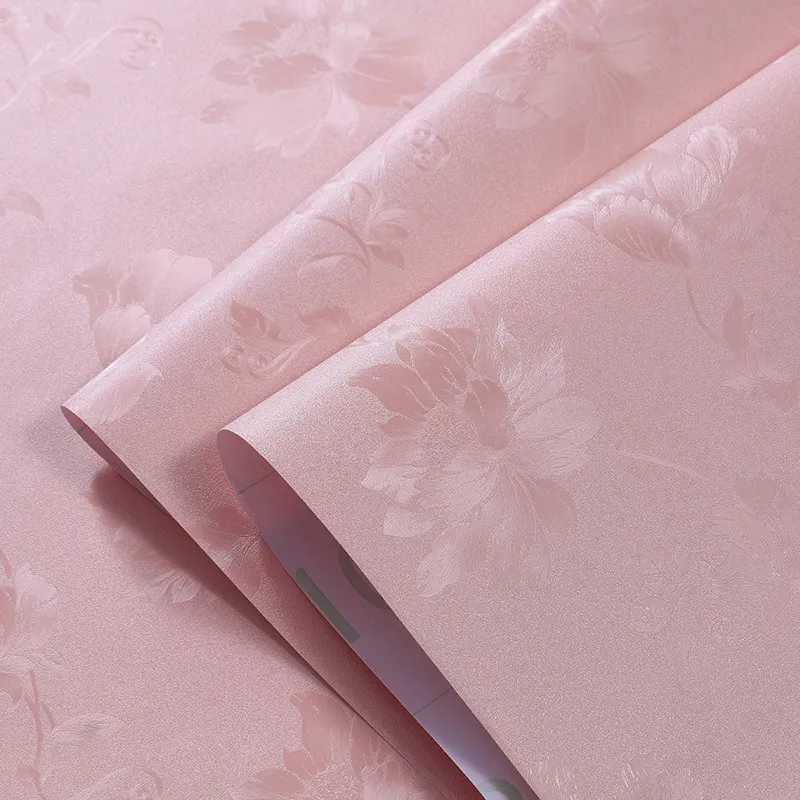
PVC clear film is a transparent, flexible sheet manufactured from polyvinyl chloride resin. Through processes like calendering, the resin is formed into thin, uniform layers that offer exceptional optical clarity. The “clear” aspect is its defining feature, allowing for visibility and light transmission while providing a protective or decorative barrier. This transparency can be engineered to various levels, from crystal clear to lightly frosted, depending on the application’s needs.
Key Takeaway: At its core, PVC clear film is valued for its see-through quality, durability, and chemical resistance, which are achieved through controlled manufacturing without sacrificing the material’s inherent flexibility.
The market offers several variations of PVC clear film, each tailored for specific performance characteristics:
This is the most common type, produced by passing the PVC compound through a series of heated rollers. It results in a film with consistent thickness, high gloss, and excellent surface smoothness. It’s the workhorse for general-purpose packaging and laminating.
Incorporating special additives, this film has a matte, velvety surface that reduces glare and fingerprints. It’s increasingly popular for electronic device coverings, premium book covers, and interior decorative elements where a sophisticated, non-slip feel is desired.
Critical in electronics and cleanroom environments, this film is treated to prevent the buildup of static electricity. This protects sensitive components like circuit boards and microchips from electrostatic discharge (ESD) damage during handling, storage, and shipping.
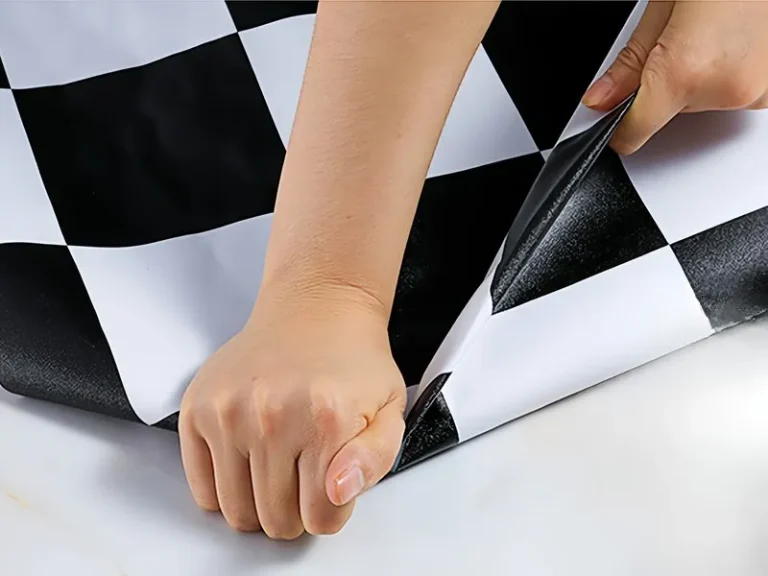
Featuring a pressure-sensitive adhesive backing protected by a release liner, this film is designed for easy application. It’s perfect for labels, protective surface coverings, and temporary graphics. The clarity ensures the underlying surface or print remains visible.
Manufactured with non-toxic, phthalate-free compounds that comply with stringent regulations like FDA standards, this film is safe for direct or indirect food contact. It’s used for bakery box windows, candy wrappers, and other food packaging where product visibility is a selling point.
The utility of PVC clear film spans from industrial shielding to creative design, demonstrating its incredible adaptability.
Blister Packs and Clamshells: Its formability and clarity make it ideal for consumer product packaging, allowing customers to see the item while providing a rigid, protective shell.
Surface Protection Films: Applied to stainless steel appliances, acrylic panels, finished furniture, and aluminum windows during manufacturing and installation to prevent scratches and abrasions. These are often temporary and peel off after the risk of damage has passed.
PVC clear film is a superior substrate for printing. Its stable surface accepts inks beautifully, leading to vibrant, durable results. Common uses include:
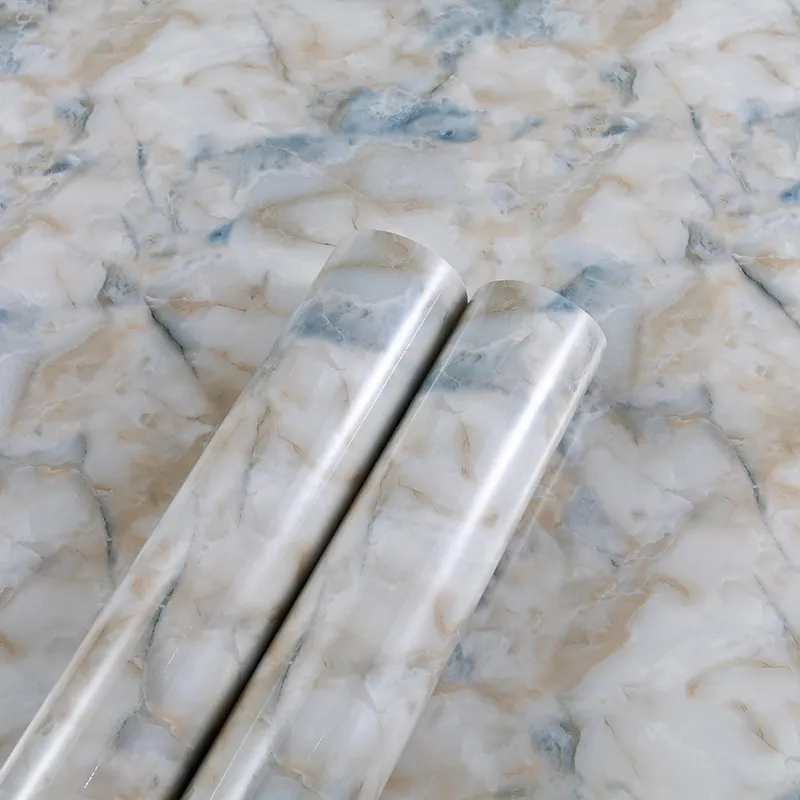
In building projects, PVC clear film adds both function and style. It can be used as a temporary protective layer on marble countertops or hardwood floors during construction. More permanently, it’s laminated to materials to create waterproof and scratch-resistant surfaces for tabletops or cabinets. When combined with decorative layers, it can produce stunning effects like the popular 3D texture films used on walls and furniture.
The material’s sterility and clarity are vital in healthcare. It’s used for sterile barrier packaging of surgical instruments, as protective covers for medical equipment touchscreens, and in the construction of clear IV bags and tubing. Its chemical resistance also makes it suitable for laboratory use.
Choosing PVC clear film over other transparent materials like polyethylene (PE) or polypropylene (PP) comes down to a compelling set of benefits.
PVC film boasts excellent tensile strength and tear resistance. It doesn’t become brittle in cold temperatures as quickly as some plastics and maintains its flexibility. This durability translates to longer-lasting packaging, more resilient protective layers, and graphics that won’t easily crack or peel. For applications like floor protection film, this toughness is non-negotiable.
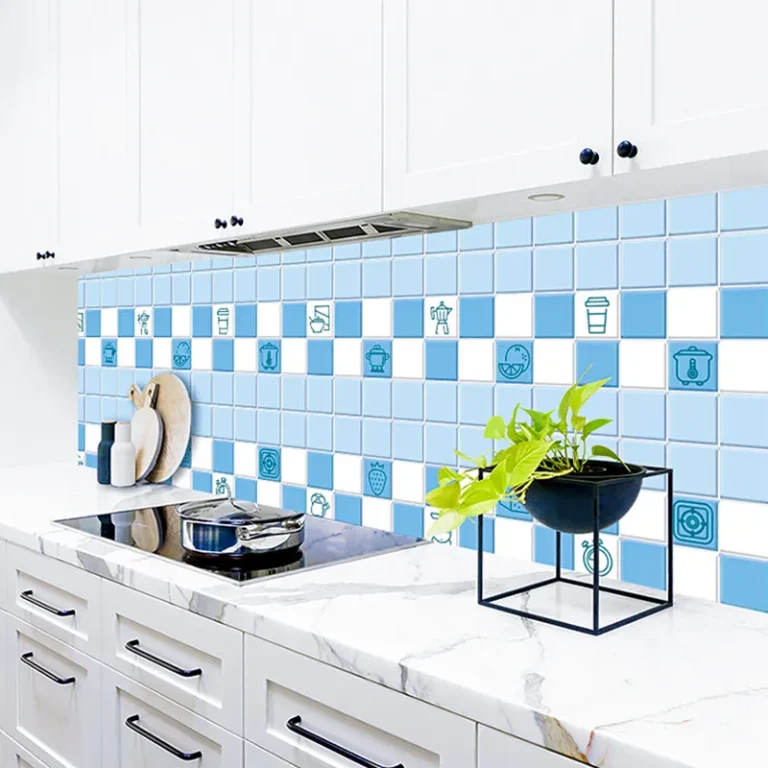
PVC is inherently resistant to water, oils, greases, and many acids and alkalis. This makes clear PVC film ideal for kitchen splashbacks, laboratory surfaces, and packaging for oily or moist products. It won’t degrade or allow moisture to penetrate, ensuring the protected item remains safe.
The optical clarity of high-quality PVC clear film is exceptional, with minimal haze or yellowing over time. Its surface energy is well-suited for adhesion, meaning inks, coatings, and adhesives bond strongly to it. This results in sharp, high-fidelity printed images and reliable, long-term lamination.
Compared to glass or other engineering plastics, PVC clear film offers a very favorable cost-to-performance ratio. It is lightweight, which reduces shipping costs, and can be easily die-cut, heat-sealed, or welded, allowing for efficient, automated processing in high-volume production environments.
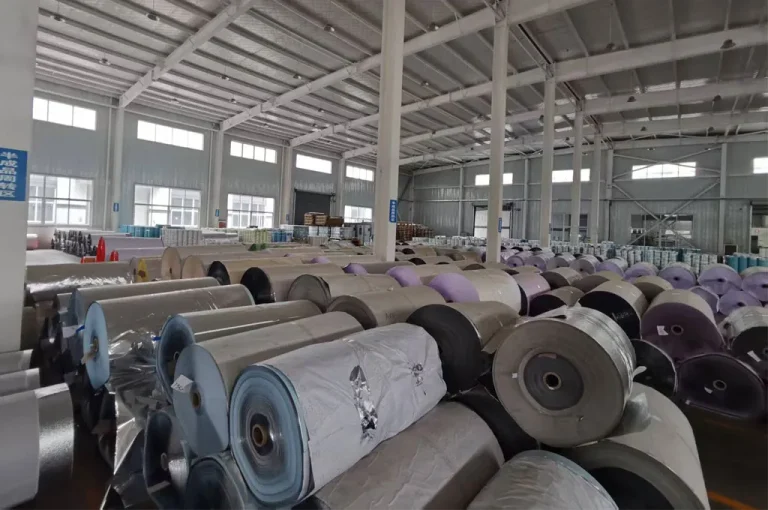
From manufacturers like Pulivk Film, PVC clear film is highly customizable. It can be produced in a vast range of thicknesses, widths, and roll lengths. Additives can be incorporated to achieve specific properties: UV inhibitors for outdoor use, anti-fog agents for refrigeration, or flame retardants for safety-critical applications. This level of customization empowers brands to find a perfect match for their unique project requirements.
Not all PVC clear film is food-safe. Only film specifically manufactured with food-grade, non-toxic compounds and compliant with regulations like the FDA (USA) or EFSA (Europe) should be used for direct or indirect food contact. Always verify the material’s certifications with your supplier.
Both offer good clarity, but they have different strengths. PET (Polyethylene Terephthalate) is generally stiffer, has a higher temperature resistance, and is more environmentally recyclable in many municipal systems. PVC is typically more flexible, has better inherent chemical resistance, and can be more cost-effective for certain applications. The choice depends on the specific needs of the project.
Standard PVC clear film can degrade when exposed to prolonged sunlight due to UV radiation. For outdoor use, it is essential to specify film that contains UV stabilizers. This treated film will resist yellowing, embrittlement, and loss of clarity for extended periods, making it suitable for outdoor signage, window decals, or protective covers.
PVC clear film is available in a wide range of thicknesses, typically measured in microns (µm) or mils. Common ranges are from 50 µm (2 mils) for lightweight packaging up to 500 µm (20 mils) or more for rigid, structural applications like formed blister packs. Your supplier can guide you to the correct gauge for your required durability and flexibility.
To maintain its performance, store rolls of PVC clear film in a cool, dry place away from direct sunlight and heat sources. Ideally, keep it in its original protective packaging until use. Store rolls upright (not lying on their side) to prevent deformation. Proper storage prevents premature aging, blocking (layers sticking together), and moisture absorption.