Address
304 North Cardinal St.
Dorchester Center, MA 02124
Work Hours
Monday to Friday: 7AM - 7PM
Weekend: 10AM - 5PM
Address
304 North Cardinal St.
Dorchester Center, MA 02124
Work Hours
Monday to Friday: 7AM - 7PM
Weekend: 10AM - 5PM


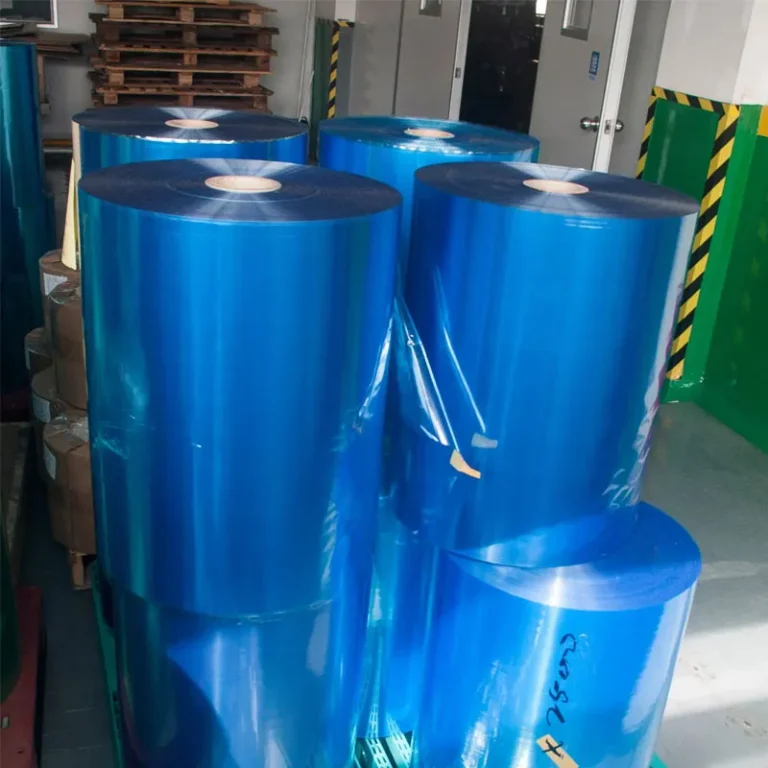
PVC clear film is a versatile and transparent sheet material made from polyvinyl chloride, a synthetic plastic polymer. Its clarity, durability, and adaptability have made it an indispensable component across countless industries, from packaging and construction to healthcare and advertising. Unlike colored or opaque PVC films, the clear variant offers the unique advantage of visibility while providing the protective and functional benefits inherent to PVC materials.

At its core, PVC clear film is produced through a process called calendering, where heated PVC compound is passed through a series of rollers to achieve a uniform thickness and smooth, glossy surface. The “clear” property is achieved by using specific resins and plasticizers that minimize light scattering. This results in a film that is not only see-through but also possesses excellent tensile strength, chemical resistance, and flexibility. Manufacturers like Pulivk Film utilize advanced production lines to ensure consistency in clarity and performance, offering everything from standard calendered film to specialized variants.
• High Transparency & Gloss: Allows for clear visibility of packaged or protected items.
• Water & Chemical Resistance: Impervious to moisture and resistant to many acids, alkalis, and oils.
• Durability & Tear Resistance: Offers robust protection against punctures and abrasion.
• Flexibility & Conformability: Can easily wrap around objects of various shapes.
• Printability: Accepts inks and adhesives well, making it ideal for labels and branding.
The utility of PVC clear film spans a remarkable range of sectors. Its primary function is often protection and presentation.
This is one of the largest application areas. PVC clear film is used for blister packs, clamshell packaging, and window boxes for consumer goods like electronics, toys, hardware, and food items. It protects the product from dust and damage while allowing customers to inspect it visually, which is crucial for retail sales.
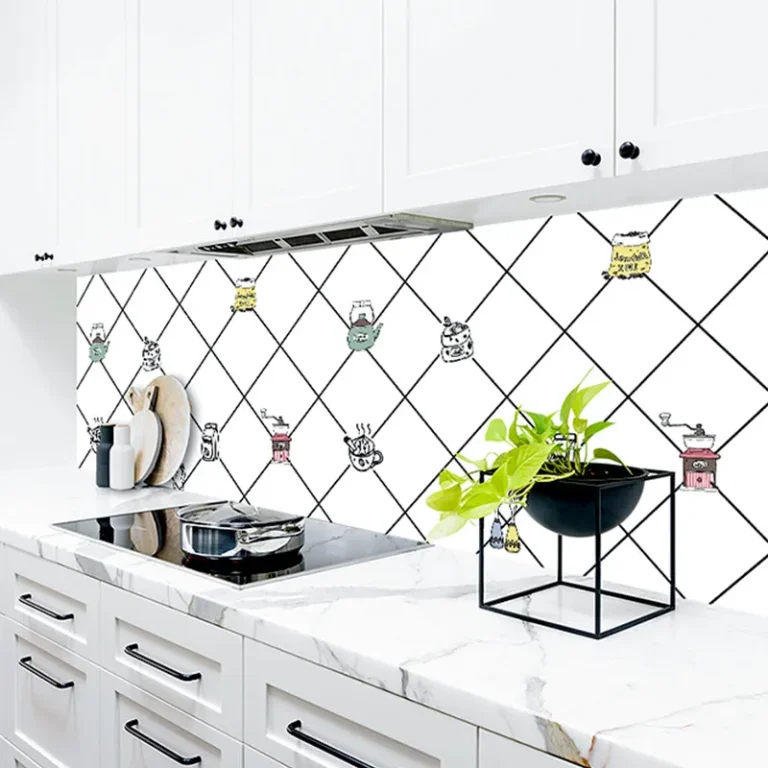
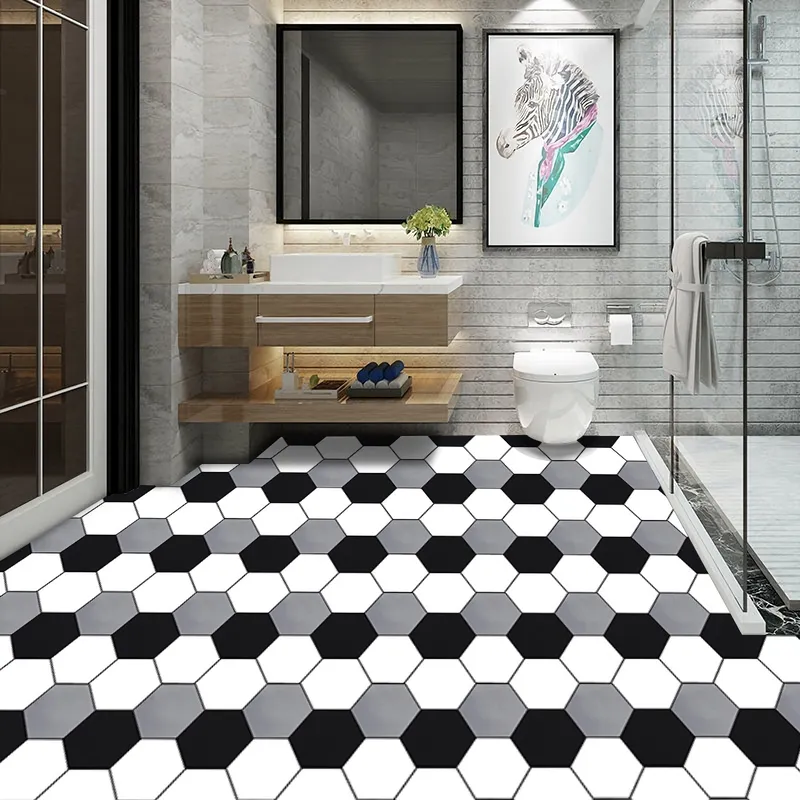
In construction, it serves as a temporary protective layer for floors, windows, and fixtures during renovation to guard against paint, dust, and scratches. In interiors, it can be used as a protective overlay for documents or tablecloths. More decorative applications include clear laminates for furniture or as a component in layered design elements, similar in concept to 3D texture films but with transparency.
Due to its excellent printability, PVC clear film is a preferred substrate for banners, stickers, decals, and point-of-sale displays. It can be used for both front and back printing, creating vibrant graphics that are also durable and weather-resistant for outdoor use.
Special medical-grade PVC clear film is used for manufacturing items like IV bags, fluid chambers, and protective aprons. Its clarity allows for easy monitoring of fluids, while its sterility and safety are paramount.
Consumers use it for organizing drawers, sealing food, protecting book covers, or crafting. Its ease of use with simple tools makes it a popular DIY material for home organization and minor repairs.
Not all clear films are the same. Variations are created by modifying thickness, additives, and surface treatments to suit specific needs.
Light-Gauge Film (Up to 0.1mm): Used for lightweight packaging, food wrap, and protective overlays. It’s highly flexible and cost-effective.
Medium-Gauge Film (0.1mm to 0.5mm): The workhorse for blister packs, report covers, and general industrial wrapping. Balances clarity with strength.
Heavy-Gauge Film (0.5mm and above): Employed for rigid packaging, industrial protective barriers, and durable signage. Offers maximum impact resistance.
• Anti-Static Clear Film: Essential for packaging electronic components to prevent damage from electrostatic discharge.
• UV-Stabilized Film: Contains additives to resist yellowing and degradation from sunlight, perfect for outdoor applications.
• Food-Grade Clear Film: Manufactured with non-toxic plasticizers compliant with regulations like FDA standards for direct or indirect food contact.
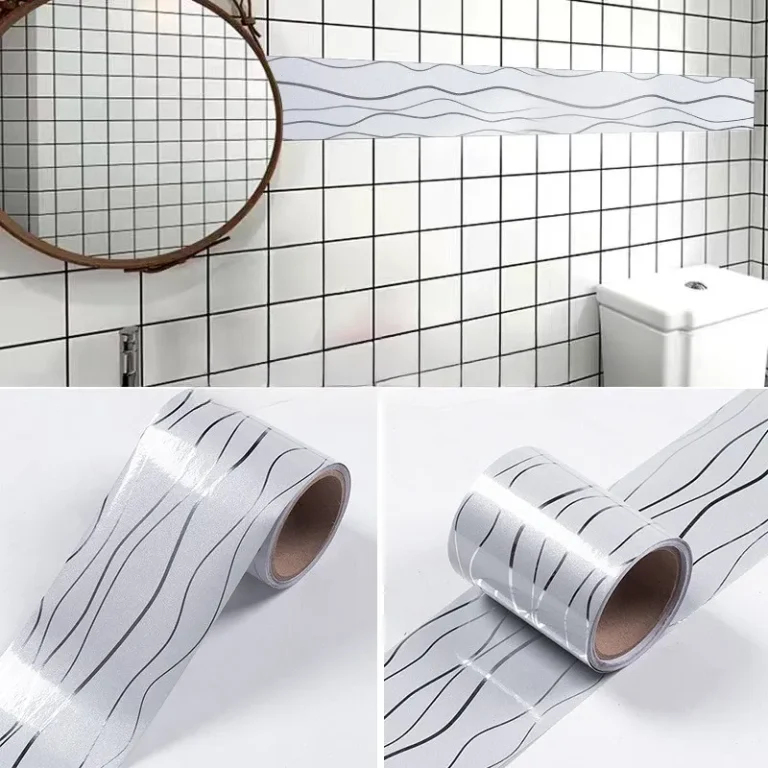
• Self-Adhesive Clear Film: Features a pressure-sensitive adhesive backing, turning it into a protective or mounting film for surfaces. This functionality is akin to specialized films like PVC skirting film used in construction.
• Matte or Anti-Glare Clear Film: Has a treated surface that diffuses light, reducing reflections. Ideal for protecting documents or screens where readability is key.
Choosing PVC clear film over other transparent materials like polyethylene (PE) or polypropylene (PP) offers a distinct set of advantages.
Superior Clarity and Presentation: PVC film typically offers higher optical clarity and a glossier finish than many alternatives, making products look more attractive and premium in packaging.
Excellent Durability: It has better tensile strength, tear resistance, and puncture resistance compared to PE films of similar thickness. This translates to less waste and more reliable protection.
Chemical and Water Resistance: PVC’s inherent resistance to water, oils, and many chemicals makes it suitable for harsh environments, from industrial workshops to kitchens.
Cost-Effectiveness: Despite its performance, PVC clear film remains a highly economical choice, especially for medium to high-volume applications. Its durability often leads to a lower total cost of ownership.
Versatility in Fabrication: It can be easily cut, heat-sealed, welded, printed on, and laminated. This allows for high-speed conversion on automated packaging lines and custom graphic applications.
While beneficial, it’s important to select the right type for your project. Consider the required thickness based on the level of protection needed. For outdoor use, always opt for UV-stabilized film. If the application involves potential food contact, ensure the film is explicitly rated as food-grade. Furthermore, for projects requiring adhesion or specific aesthetic integration—such as coordinating with solid color wallpapers or floor films—consulting with a specialist manufacturer is advisable to get the correct film with the appropriate backing or treatment.
Modern manufacturers are also addressing environmental concerns. Many now offer phthalate-free and heavy-metal-free formulations, and recycling streams for PVC films are becoming more established. When sourcing, inquire about the material’s compliance with standards like REACH and RoHS.
Yes, but only specific grades designated as food-grade are safe. These are manufactured with non-toxic, compliant plasticizers and additives. Always verify the film’s certification (e.g., FDA compliance) for food contact applications.
They are different materials. PVC clear film is a rigid or semi-rigid film used for blister packs or protective covering. Shrink wrap (often made from Polyolefin or PVC) is a film that, when heat is applied, shrinks tightly around the contours of an object. Some PVC films can be formulated for shrink applications, but not all.
Recycling PVC film is possible but requires separate collection from other plastics like PE due to different chemical compositions. The infrastructure varies by region. It’s best to check with local waste management authorities or the film supplier for end-of-life guidance.
Lead time depends on order quantity, customization (like printing or special additives), and manufacturer capacity. Reputable suppliers with integrated production, like Pulivk, can often provide samples quickly and optimize schedules for bulk orders to ensure stable delivery. For detailed timelines, it’s best to contact them directly with your specifications.
Yes, alternatives include clear films made from recycled PET (rPET), polylactic acid (PLA), or other bio-based polymers. However, these may differ in performance (clarity, durability, chemical resistance) and cost. For applications where PVC’s specific property set is essential, choosing a phthalate-free, recyclable-grade PVC from a responsible manufacturer is a viable option.