Address
304 North Cardinal St.
Dorchester Center, MA 02124
Work Hours
Monday to Friday: 7AM - 7PM
Weekend: 10AM - 5PM
Address
304 North Cardinal St.
Dorchester Center, MA 02124
Work Hours
Monday to Friday: 7AM - 7PM
Weekend: 10AM - 5PM


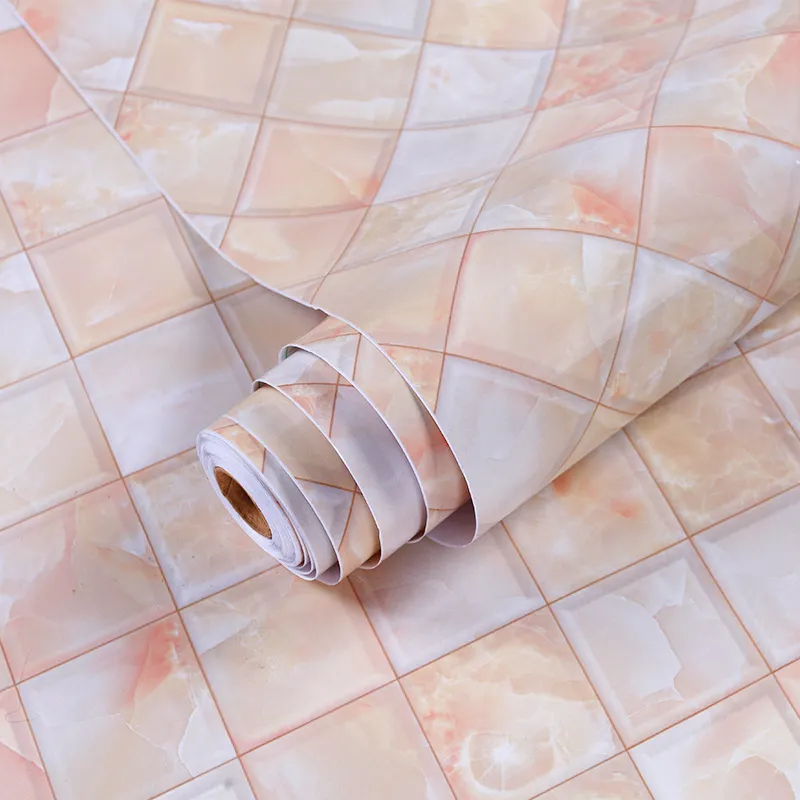
In the dynamic world of surface decoration and functional protection, PVC holographic film stands out as a versatile and visually captivating material. This specialized film utilizes advanced manufacturing techniques to create a three-dimensional, iridescent, or shifting visual effect on a flexible PVC substrate. The core principle involves embossing or laminating microscopic patterns or layers that diffract light, producing the characteristic rainbow-like or depth-illusion holographic appearance. It represents a fusion of aesthetic appeal and practical material science, offering more than just a shiny surface.
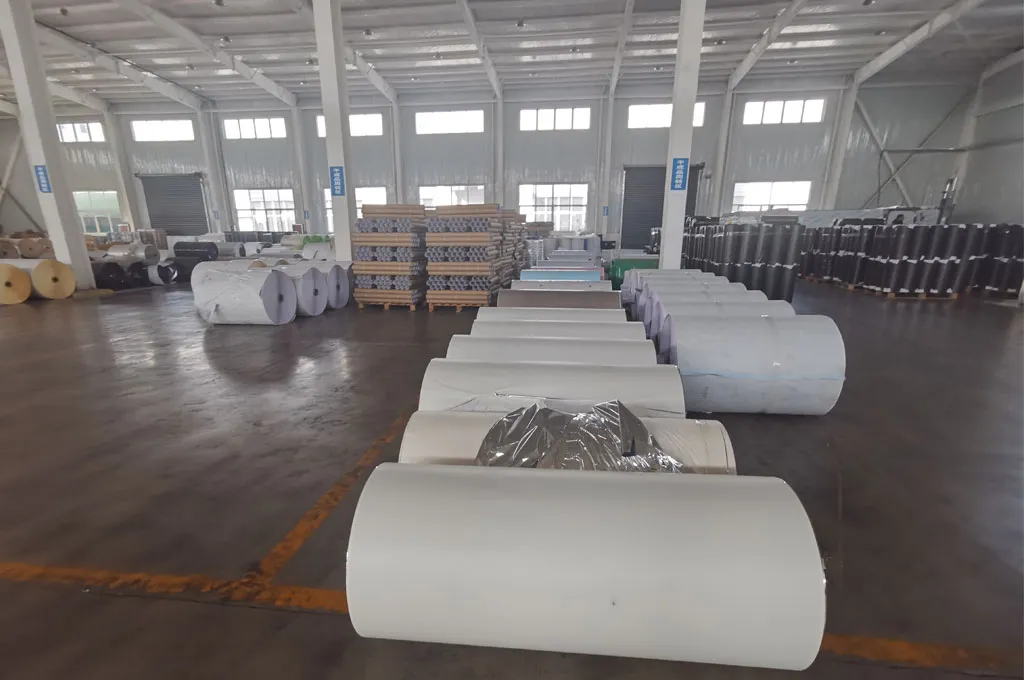
At its heart, PVC holographic film is a type of calendered film. The PVC resin, combined with stabilizers, plasticizers, and other additives, is processed through high-pressure rollers to form a thin, consistent sheet. The holographic effect is then achieved through subsequent processes. One common method is embossing, where a metal roller engraved with a precise holographic pattern presses the pattern into the softened PVC film. Another method involves laminating a pre-made holographic foil or layer onto a clear or colored PVC base. This creates a durable, flexible material that can be adhesive-backed or used as a laminate.
🔍 Key Property: The holographic effect is not a printed color but an optical phenomenon. It changes with the viewing angle and light source, creating dynamic visuals that static prints cannot replicate. This makes it exceptionally effective for capturing attention.
The unique properties of holographic PVC film open doors to a multitude of applications, driven by its need for standout visual identity, security, and decorative enhancement.
This is one of the most prominent uses. The film is employed for gift wraps, luxury product boxes, labels, and flexible packaging. It instantly elevates the perceived value of a product, making it appear more premium and attractive on retail shelves. Brands use it to differentiate themselves and create unboxing experiences that are memorable and shareable on social media.
From eye-catching window displays and point-of-sale banners to vehicle wraps and exhibition booth graphics, holographic film commands attention. Its light-reflective nature ensures visibility under various lighting conditions, making it ideal for both indoor and short-term outdoor applications where visual impact is paramount.
Due to the complexity and cost of replicating genuine holographic patterns, this film is widely used for anti-counterfeiting purposes. It appears on product certificates, ID cards, brand authentication labels, and software packaging. The difficulty in forging these optical patterns provides a reliable layer of security.
Moving beyond flat applications, holographic film is increasingly used in interior decor and product design. It can be laminated onto panels for furniture accents, wall features, cabinet doors, and consumer electronics casings. It offers a futuristic, tech-inspired aesthetic popular in modern retail spaces, entertainment venues, and contemporary home decor.
The DIY and craft community utilizes smaller sheets of holographic film for scrapbooking, card making, and accessory design. It’s also found in specialty items like book covers, fashion accessories, and decorative tapes.
Not all holographic films are the same. They can be categorized based on their visual effect, base material, and functional properties.
PVC-Based Holographic Film: The focus here. Known for its flexibility, durability, good printability, and cost-effectiveness. It can be clear, white, or colored. Specialized manufacturers often produce variants with specific textures or properties.
Polyester (PET) Based: Offers higher tensile strength, dimensional stability, and temperature resistance compared to PVC, often used in more demanding industrial or outdoor applications.
Self-Adhesive (PSA) Films: Come with a pressure-sensitive adhesive layer and a release liner for easy application. This is the standard form for decals, labels, and graphic applications.
Thermal Lamination Films: Designed to be bonded to a substrate (like paper or card) using heat and pressure in a lamination machine. Used for packaging and book covers.
The true power of this material is unlocked through customization. Leading producers offer comprehensive OEM/ODM services to meet specific project requirements. Customization can occur at multiple levels:
🎯 Pattern & Design Customization: This is the most significant aspect. Companies can work with you to create a proprietary holographic pattern or master. This could be a custom 2D/3D image, a specific logo, a unique geometric design, or a brand-specific kinetic effect. This level of customization is key for brand identity and security features.
📏 Physical Specifications: Films can be tailored in terms of thickness (gauge), width, roll length, and core size to fit specific converting or application machinery.
Color & Opacity: While the holographic effect is optical, the base film can be tinted in various colors (e.g., silver, gold, rose gold, blue). The opacity can range from fully transparent (showing the substrate beneath) to fully opaque (hiding it).
Surface Treatment & Functionality: Films can be coated or treated for added functionality. This includes:
• Print-Receptive Coatings: To allow for high-quality digital or screen printing on top of the holographic layer.
• Scratch & Abrasion Resistance: For products that will see handling or wear.
• Anti-Static Properties: Crucial for packaging electronic components.
• Specific adhesive systems for different surfaces (low-tack, permanent, removable).
Compliance & Certification: For applications in sensitive markets like toys, food contact, or medical packaging, films can be produced to meet specific regulatory standards such as REACH, RoHS, FDA, or ISO requirements, ensuring they are free from heavy metals and restricted substances.
Creating high-quality, consistent holographic film requires expertise and integrated production control. A manufacturer with in-house capabilities for calendering, embossing/master origination, coating, and slitting offers distinct advantages:
Yes, when produced to high standards, PVC holographic film is quite durable. It is resistant to moisture, many chemicals, and fading. Its lifespan depends on the application environment (indoor vs. outdoor), the quality of the adhesive (if used), and whether it has protective top coatings. For exterior use, specific UV-resistant grades are recommended.
Absolutely. Many holographic films are designed to be print-receptive. However, it requires careful selection of inks (often UV-curable inks work best) and printing techniques to ensure adhesion and to not completely obscure the holographic effect underneath. A test print is always advised.
While both create color-shift effects, they are different. Holographic film uses a physically embossed diffraction grating to break light into spectra, often showing distinct patterns or 3D images. Iridescent film (or pearlescent film) typically uses microscopic mica or pigment flakes to create a softer, more uniform color shift without a specific patterned image.
For a bubble-free application, ensure the substrate surface is clean, dry, and smooth. Use the “hinge method”: peel back a portion of the liner, align the film, and stick down the initial edge. Then, slowly peel the liner away while using a squeegee or soft cloth to smooth the film onto the surface, working from the center outward.
The industry is evolving. While traditional PVC can pose recycling challenges, some manufacturers offer films with reduced environmental impact, such as using phthalate-free plasticizers or developing holographic effects on more easily recyclable polymer bases like PET. It’s essential to discuss sustainability requirements with your supplier early in the design process.