Address
304 North Cardinal St.
Dorchester Center, MA 02124
Work Hours
Monday to Friday: 7AM - 7PM
Weekend: 10AM - 5PM
Address
304 North Cardinal St.
Dorchester Center, MA 02124
Work Hours
Monday to Friday: 7AM - 7PM
Weekend: 10AM - 5PM


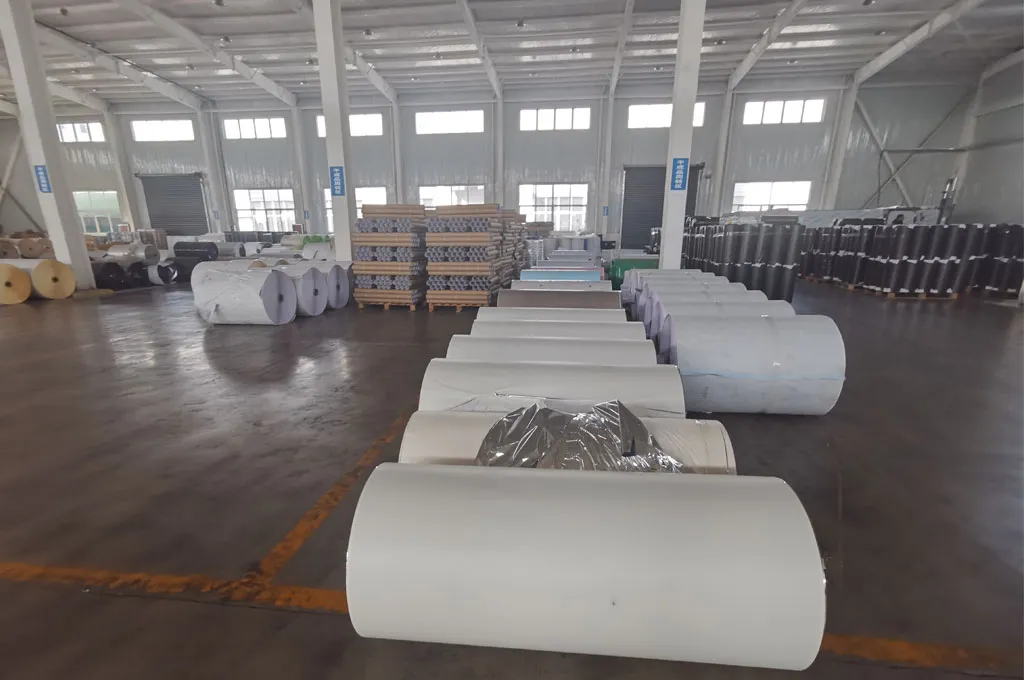
The glass transition temperature (Tg) is a key property for understanding how PVC film behaves under different temperatures. Knowing the Tg helps designers, manufacturers, and end users predict flexibility, brittleness, and processing windows for PVC-based films.
The glass transition temperature (Tg) is the temperature range where an amorphous polymer transforms from a hard, glassy state to a softer, rubbery state. For PVC film, Tg determines whether the film will be flexible or rigid at a given service temperature and influences mechanical performance, adhesion, and forming behavior.
Pure (rigid) PVC has a relatively high Tg, while plasticized PVC films can have much lower Tg values depending on plasticizer type and loading. The overall Tg range for PVC film products commonly falls between roughly -40°C and +90°C depending on formulation.
| PVC Film Type | Typical Tg Range | Practical Implication |
|---|---|---|
| Rigid PVC (unplasticized) | ~60°C to 90°C | Hard and brittle below Tg; used for structural films and overlays. |
| Semi-rigid PVC (low plasticizer) | ~0°C to 50°C | Moderate flexibility at room temp; good for protective and decorative films. |
| Flexible PVC (standard plasticizer) | ~-20°C to 10°C | Soft and pliable at room temp; common for adhesive-backed and stretchable films. |
| Heavily plasticized PVC (high plasticizer) | ~-40°C to -10°C | Very soft and highly flexible; used where low-temperature flexibility is required. |
Several formulation and processing variables change Tg:
Plasticizers are the most influential: increasing plasticizer content lowers Tg and increases flexibility. Different plasticizers (phthalates, adipates, citrates, bio-based) produce different Tg shifts.
Fillers, stabilizers, and chemical modifiers can raise or lower the effective Tg by changing free volume or polymer–additive interactions.
Higher molecular weight and greater chain entanglement can slightly increase Tg. Copolymerization and tacticity also influence the transition.
Calendering, stretching, and annealing change chain orientation and residual stress, which can shift the apparent Tg measured in a finished film.
Common analytical methods for Tg in PVC films include:
Tg guides temperature limits: for thermoforming or heat-sealing, the film is typically heated near or above Tg to become pliable. However, PVC decomposition and plasticizer loss occur at much higher temperatures, so maintaining an appropriate processing window is critical.
Practical examples:
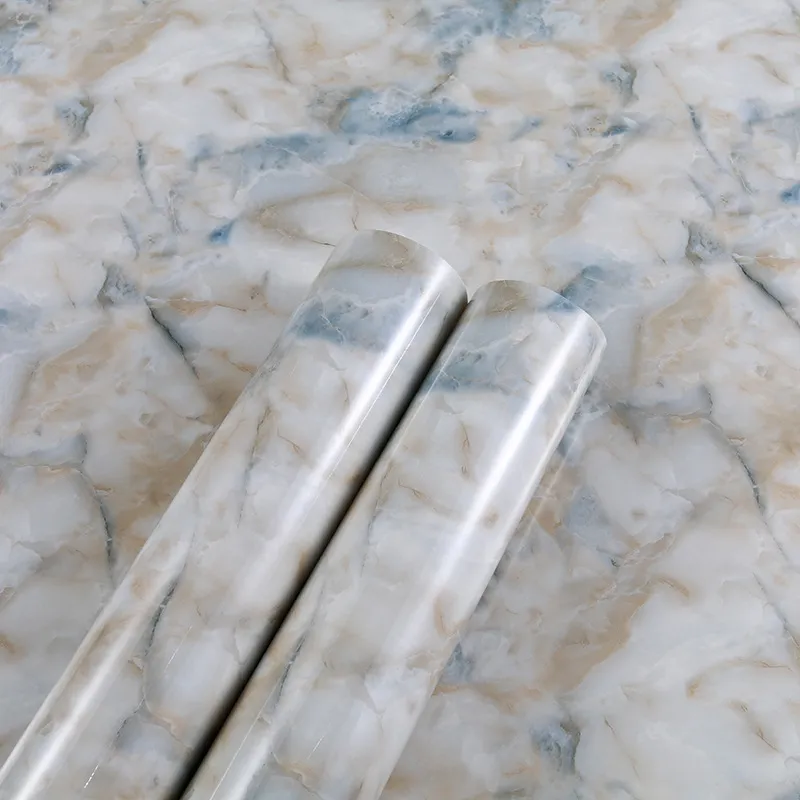
– If you need flexibility at low temperatures, select films with low Tg formulations (high plasticizer load or flexible additives).
– For dimensional stability and hardness, choose higher Tg (less plasticized) films or semi-rigid grades.
– For applications that undergo repeated thermal cycling, evaluate Tg by DMA to understand viscoelastic behavior, not just DSC onset.
Keep films within recommended storage temperatures: storing well below Tg risks embrittlement and cracking, while storage far above Tg can cause blocking, cold-flow, or adhesion issues. Always follow supplier guidance for temperature and humidity control.
When specifying PVC film for a project, request Tg data (DSC and DMA if available) and describe the expected service temperature range. This ensures the film will maintain the required performance—flexibility, adhesion, and durability—over its service life.
Manufactured and supplied by Pulivk — for custom PVC film formulations and technical support, consult product datasheets or contact the supplier.