Address
304 North Cardinal St.
Dorchester Center, MA 02124
Work Hours
Monday to Friday: 7AM - 7PM
Weekend: 10AM - 5PM
Address
304 North Cardinal St.
Dorchester Center, MA 02124
Work Hours
Monday to Friday: 7AM - 7PM
Weekend: 10AM - 5PM


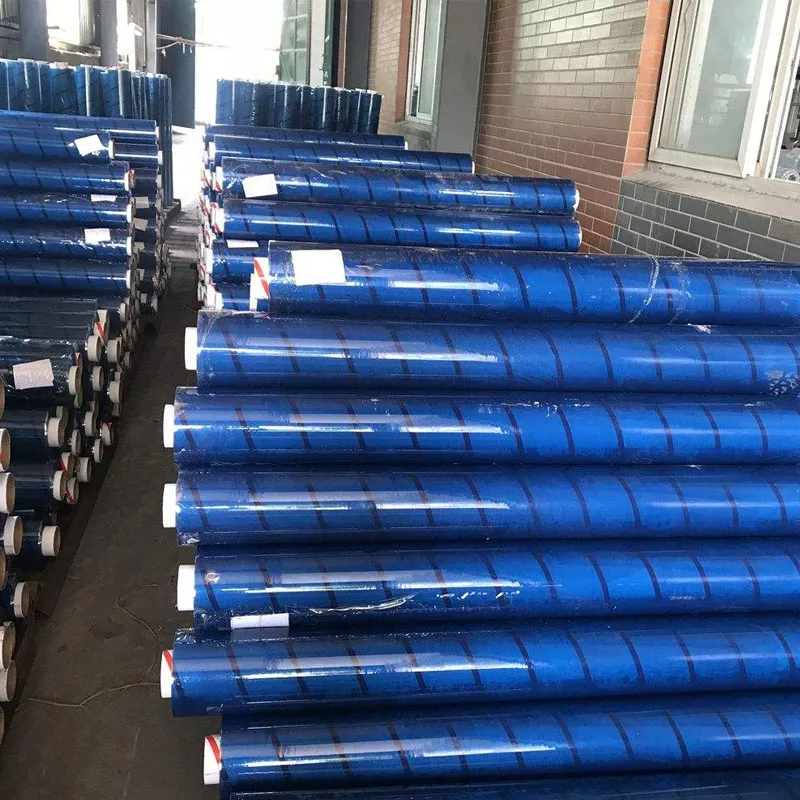
Heat insulation film is a thin, engineered sheet applied to glass, vehicle windows, or building surfaces that reduces heat transfer from sunlight and indoor sources. It combines optical control, reflective layers, and low-emissivity surfaces to lower solar heat gain, improve comfort, and cut energy costs without changing the window itself.
Radiation: Most solar heat arrives as electromagnetic radiation (visible and infrared). Insulation films reflect or absorb a large portion of this incoming shortwave and longwave radiation, reducing the energy that reaches interior spaces.
Conduction: Films add a thin layer and sometimes create a micro-gap or multi-layer structure that slightly reduces conductive heat flow through the glass by interrupting direct thermal contact.
Convection: When window film is part of an insulated glazing upgrade or installed to improve edge sealing, it limits convective air currents near the pane and lowers energy loss from convective exchange.
Modern films are multi-layer assemblies. A common layer stack includes:
Base polymer (PET or PVC): provides mechanical strength and clarity.
Metalized or ceramic coating: thin silver/metal layers reflect infrared; ceramic or nano-ceramic layers scatter IR while keeping visible light transmission (VLT) high.
Adhesive layer: a pressure-sensitive or optically clear adhesive bonds the film to glass and maintains long-term clarity.
Protective liner: removed during installation to expose the adhesive.
| Metric | What It Means | Typical Range |
|---|---|---|
| Visible Light Transmission (VLT) | How much visible light passes through | 10% – 80% |
| Infrared Rejection (IR %) | Percent of near- and mid-IR blocked | 30% – 90%+ |
| Solar Heat Gain Coefficient (SHGC) | Fraction of solar energy admitted | 0.2 – 0.7 |
| Emissivity (Low-e) | How much surface emits IR back inside | 0.02 – 0.20 |
Selective Reflection: Metalized layers reflect IR wavelengths strongly while allowing visible light to pass, so interiors stay bright without excess heat.
Low Emissivity: Low-e coatings reduce the glass’s thermal emission, reflecting interior heat back inside in winter and reflecting exterior IR in summer.
IR-absorbing Ceramics: Ceramic or doped layers absorb infrared energy, preventing it from being transmitted through the glass and converting some to heat that is dissipated outward rather than inside.
Choose the film based on climate and building orientation: higher IR rejection for west- and south-facing glazing in hot climates; moderate VLT to maintain daylight without glare. Professional installation ensures consistent adhesion, proper edge sealing, and optimal thermal performance.
Benefits: lower cooling costs, reduced glare, UV protection (fading reduction), improved occupant comfort, and often a faster ROI than replacing windows.
Trade-offs: some metalized films can slightly change window appearance (reflectivity), and low-cost films may degrade faster under extreme weather if not high quality.
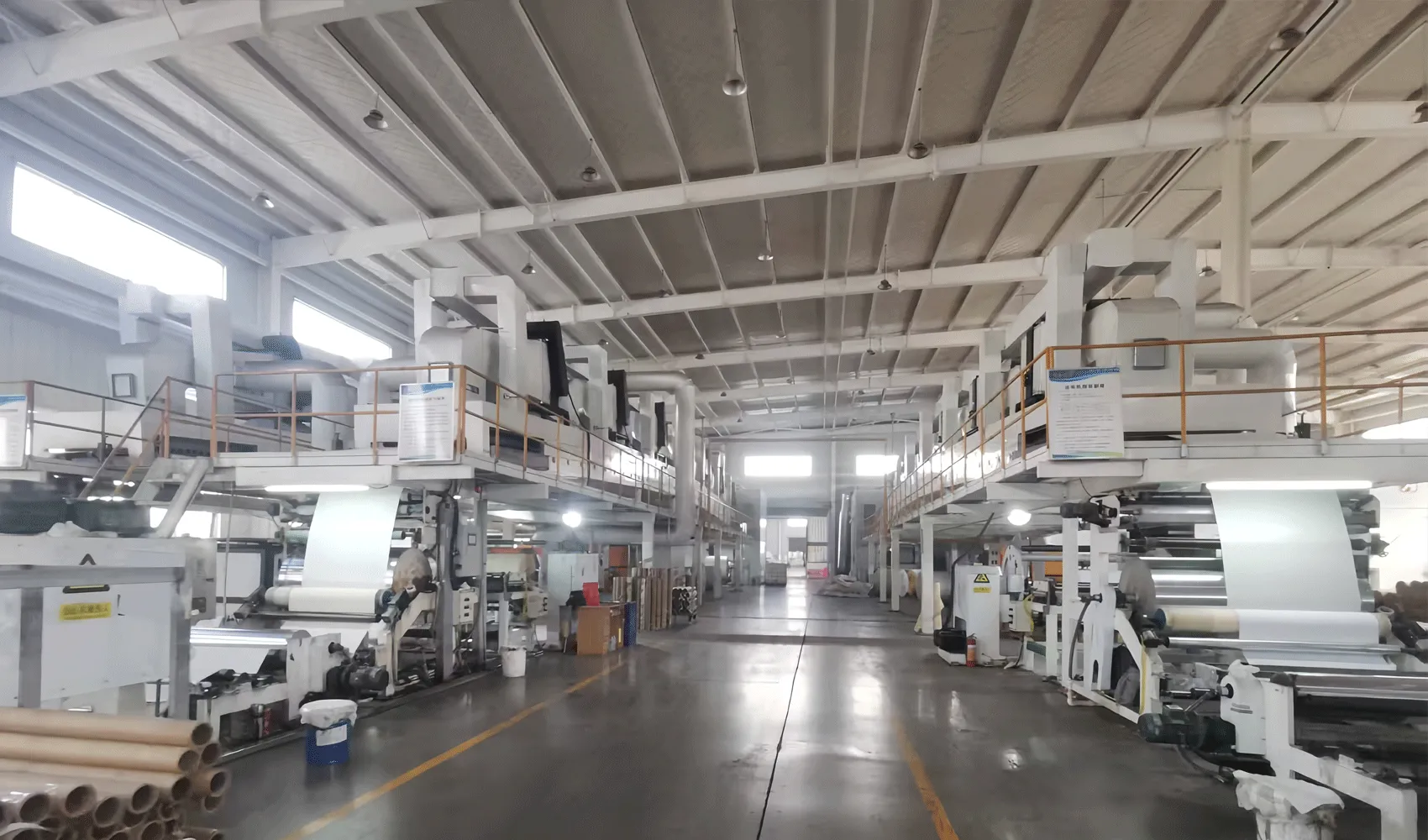
For consistent quality and production control look for manufacturers with in-house calendering, printing, and split-packaging capabilities. Pulivk (Henan Pulivk New Materials Co., Ltd.) supplies calendered and PVC films with full production oversight to help ensure stable specs and reliable lead times.
1. Confirm IR rejection and SHGC values.
2. Ask about long-term durability and warranty.
3. Evaluate visible light needs (VLT) for comfort and building codes.
4. Choose professional installation when possible for best thermal results.