Address
304 North Cardinal St.
Dorchester Center, MA 02124
Work Hours
Monday to Friday: 7AM - 7PM
Weekend: 10AM - 5PM
Address
304 North Cardinal St.
Dorchester Center, MA 02124
Work Hours
Monday to Friday: 7AM - 7PM
Weekend: 10AM - 5PM


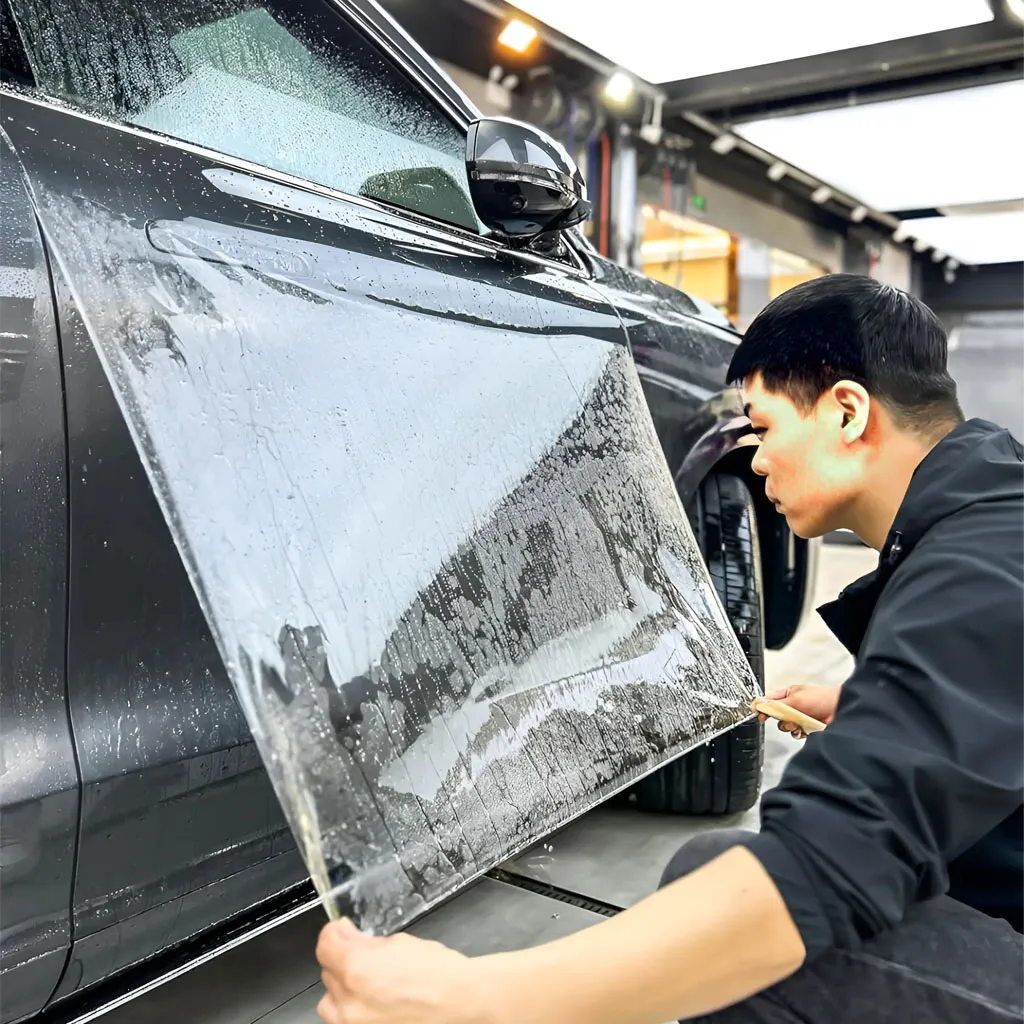
Thermoplastic Polyurethane (TPU) Paint Protection Film — often called PPF or invisible car wrap — is a high-performance clear film that shields vehicle paint from chips, scratches, stains, and UV damage while maintaining factory gloss and color. Whether you’re a daily commuter, weekend driver, or car enthusiast, TPU PPF offers long-lasting, nearly invisible protection.
TPU is a flexible polymer film engineered to absorb impacts and resist abrasion. Unlike traditional vinyl wraps designed primarily for color change, TPU PPF focuses on preservation: it adheres to the painted surface and acts as a sacrificial barrier that takes the damage so your paint doesn’t.
Applied in precise panels or full-body coverage, the film forms a tight bond with paint. Modern TPU formulas include clear coats with self-healing properties: minor scratches and swirl marks disappear with heat (sunlight or warm water).
Protection from rock chips, minor abrasions, bug acids, and chemical stains; clarity that preserves paint color and gloss; and durability offering years of reliable coverage. Additional advantages include UV resistance that prevents yellowing and hydrophobic topcoats that make cleaning easier.
| Property | What to Expect |
|---|---|
| Thickness | 6–10 mil (typical); thicker for heavy-impact zones |
| Lifespan | 5–12 years depending on quality & maintenance |
| Finish Options | Gloss, matte, satin, and textured topcoats |
| Self-Healing | Minor scratches recover with heat exposure |
| UV & Stain Resistance | Prevents yellowing and chemical etching |
TPU films vary by thickness, adhesive type, topcoat, and finish. Choose targeted coverage (front bumper, hood, mirrors) for cost-efficiency, or opt for full-body protection for maximum preservation. Specialty topcoats offer extra hydrophobic or anti-graffiti capabilities.
High-impact areas such as the hood, front bumper, fenders, side mirrors, and rocker panels are typical candidates. Luxury cars and leased vehicles often get full-coverage installs to protect resale value.
While DIY kits exist, professional installation ensures precise cuts, seamless edges, and proper heat shaping around curves. Professional shops also use surface prep and adhesive primers to avoid adhesion failures and lift at edges.
Professionals use heat guns, squeegees, slip solutions, and paint-safe adhesives to contour film without trapping contaminants. For complex curves and full-body wraps, certified techs reduce the risk of bubbles, creases, and visible seams.
Maintain TPU PPF by washing with pH-neutral soap, avoiding abrasive pads, and parking in shade when possible. For minor surface scratches, warm the area with sunlight or warm water to activate self-healing. Reapply ceramic coatings over the film for added water-beading and ease of cleaning.
Prices depend on film quality, coverage area, and labor. Expect higher costs for thick, top-coated films and full-body installs. Think of PPF as an investment in long-term paint protection and resale value preservation.
Look for UV-stable TPU with a durable clear coat and proven warranty. Consider topcoat options (gloss or matte) to match your car’s look. Request samples where possible and read independent reviews from installers.
What is the film thickness? Does it include a warranty against yellowing? Can you provide finish samples and references? How is edge sealing and warranty handling for stone chip repairs?
Myth: TPU PPF changes paint color — False. High-quality TPU is optically clear and preserves factory color. Myth: All films are the same — False. Film formulation, topcoat quality, and installation technique drastically affect performance.
Will PPF yellow? Quality TPU with UV inhibitors resists yellowing; low-quality films may degrade faster.
Can it be removed? Yes — professional removal leaves paint intact if the finish was in good condition before installation.
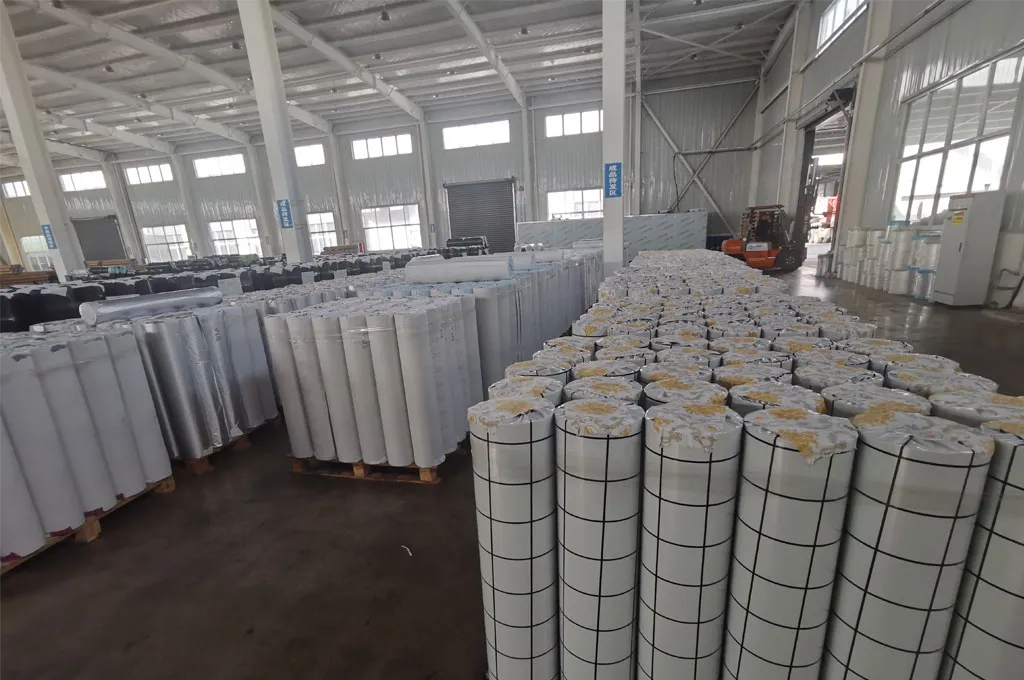
Pulivk — Henan Pulivk New Materials Co., Ltd. (https://pvcfilmtec.com/) provides comprehensive in-house production capabilities including calendering, printing, and split-packaging lines that support OEM customization and stable lead times.