Address
304 North Cardinal St.
Dorchester Center, MA 02124
Work Hours
Monday to Friday: 7AM - 7PM
Weekend: 10AM - 5PM
Address
304 North Cardinal St.
Dorchester Center, MA 02124
Work Hours
Monday to Friday: 7AM - 7PM
Weekend: 10AM - 5PM


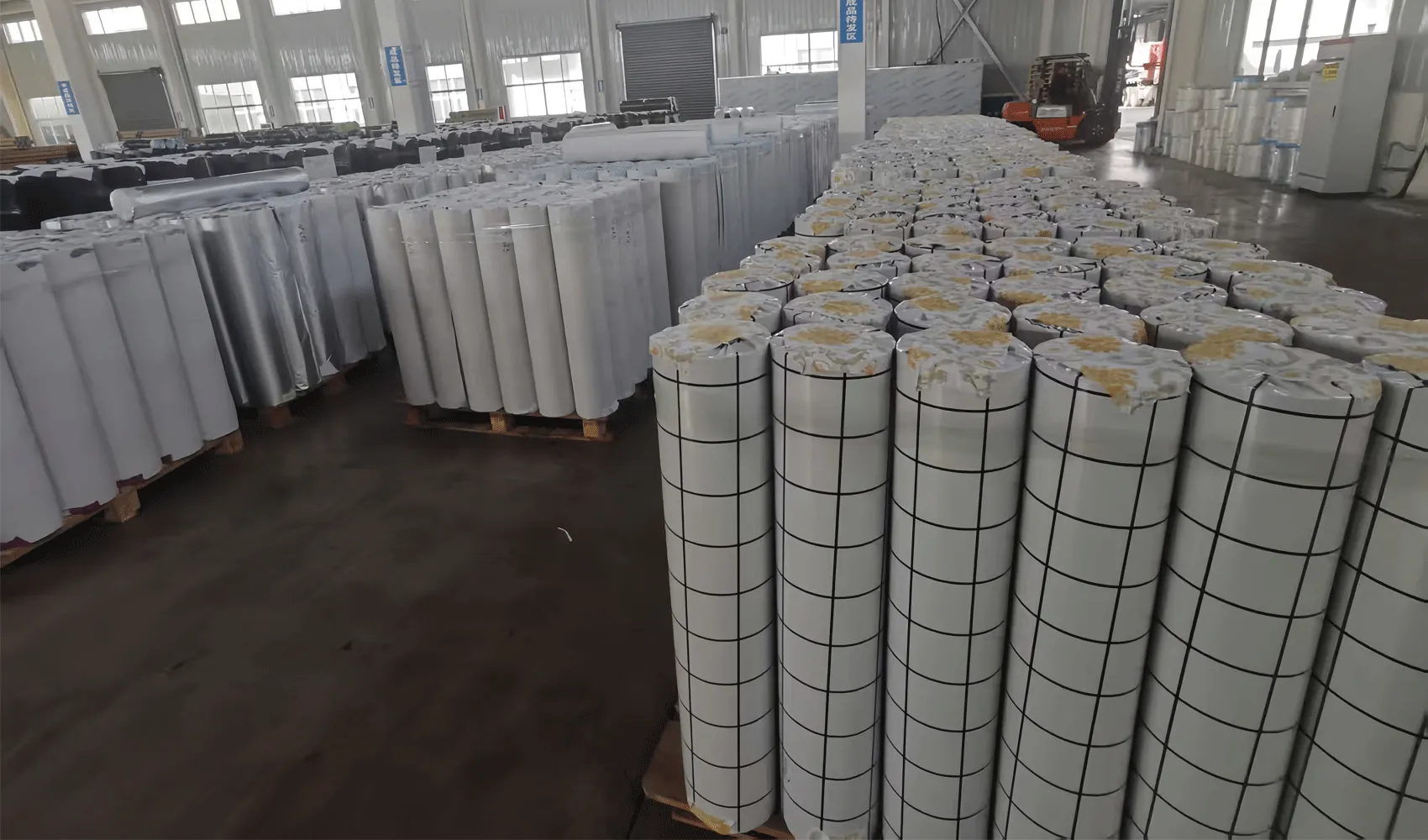
PVC film used on furniture, floors, and appliances sometimes develops fine cracks and a dusty “powder” on the surface. Understanding why PVC film cracks and powders helps you spot early warning signs and choose the right prevention or repair steps to keep surfaces looking new longer.
Cracking refers to visible fissures, hairline splits or surface crazing. “Powdering” (also called chalking) is the formation of a fine, powdery residue when the film’s polymer binder degrades and flakes away. These two problems often occur together but can have different root causes.
Early: hairline crazes, slight loss of gloss, or a soft chalky feel to touch.
Advanced: network cracks, discoloration, powder residue on hands, and loss of adhesion.
Long-term sunlight exposure breaks polymer chains in PVC and accelerates additive loss, producing chalky residue and surface cracking.
If stabilizers, plasticizers, or UV absorbers are inadequate or unevenly distributed, the film ages faster and becomes brittle.
High temperatures or repeated expansion/contraction cycles weaken the film matrix and adhesion, causing cracks along stress lines.
Harsh cleaners, solvents, or frequent friction remove protective layers and promote surface breakdown and chalking.
Tight rolls left under pressure, contamination, or adhesive incompatibility during installation can introduce stress points leading to cracking.
| Cause | Signs | Prevention |
|---|---|---|
| UV exposure | Fading, chalky powder, surface brittleness | Use UV-stabilized film and limit direct sun; apply external shading |
| Low-quality additives | Rapid aging, inconsistent finish | Choose trusted manufacturers and grade-appropriate products |
| Heat / thermal cycling | Cracks near edges or seams | Avoid high-temp exposures; allow expansion gaps |
| Chemicals / abrasion | Surface loss, chalk residue after wiping | Use mild cleaners and soft cloths; protect high-wear areas |
| Storage / installation faults | Uneven adhesion, stress-line cracking | Follow recommended storage and install guides; control humidity |
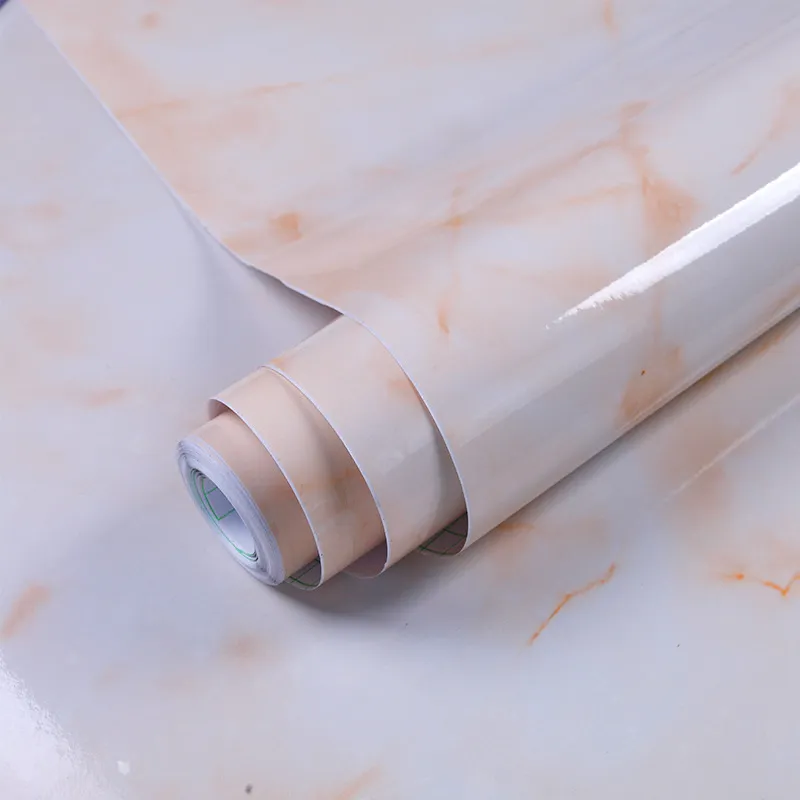
Choose the right product: pick PVC film with UV stabilizers and proven outdoor grades for exposed installations.
Protect from sun and heat: use curtains, films with higher UV resistance, or install films on shaded surfaces.
Use compatible cleaners: avoid strong solvents or abrasive pads; clean gently with pH-neutral solutions.
Store and handle correctly: store rolls flat or hanging per supplier guidance; avoid sharp creasing and contamination.
Specify high-wear finishes: for high-traffic areas choose textured, thicker, or scratch-resistant PVC film variants.
If cracking is superficial and powdering minimal, a careful cleaning and surface restorer can extend life. Extensive network cracks, widespread chalking, or adhesion loss usually require replacement to avoid recurring failures.
Look for suppliers with full in-house production and QC checks—companies that control calendering, printing, and packaging processes are more likely to deliver consistent film performance. Pulivk (https://pvcfilmtec.com/) is an example of a manufacturer with integrated production lines and global export experience.
Inspect annually for crazing, avoid solvent cleaners, keep surfaces shaded, and document batch codes—early action saves replacement costs.
Bottom line: cracking and powdering are preventable with the right material selection, careful handling, and proper maintenance. Prioritize UV-stabilized films, gentle cleaning, and correct installation to maximize the lifespan and appearance of PVC film surfaces.