Address
304 North Cardinal St.
Dorchester Center, MA 02124
Work Hours
Monday to Friday: 7AM - 7PM
Weekend: 10AM - 5PM
Address
304 North Cardinal St.
Dorchester Center, MA 02124
Work Hours
Monday to Friday: 7AM - 7PM
Weekend: 10AM - 5PM


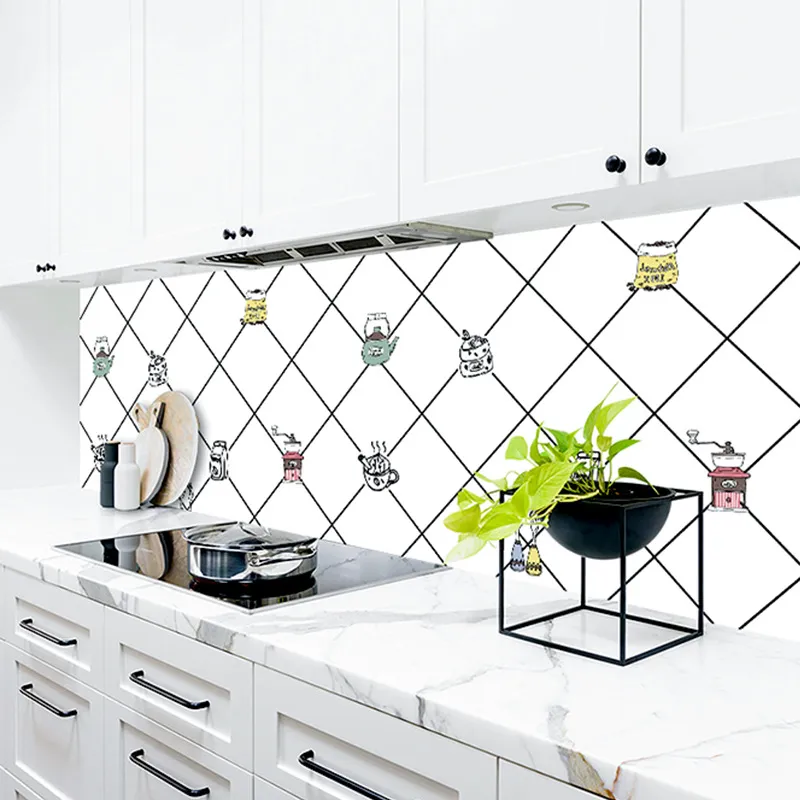
Delamination is one of the most common quality problems for PVC decorative and protective films. When layers separate, the film loses adhesion, appearance, and protective performance — which leads to customer complaints, rework, or product rejection. This guide explains the typical causes, how to diagnose them, and practical prevention steps that manufacturers, specifiers, and installers can use to reduce delamination risk.
Delamination can appear as bubbling, edge lifting, clear split lines between layers, or a “peeling” effect after heat, humidity, cleaning, or mechanical stress. Early detection is critical — small lifts can quickly grow into large defects under daily use.
Contaminated or oily substrates prevent adhesives from forming strong bonds. Dust, grease, silicone residues, or improper priming are frequent culprits — especially on laminated furniture and kitchen surfaces.
Adhesive chemistry must match both the PVC film and the substrate. Using adhesives designed for different polymers or incorrect coating thicknesses can cause poor interlayer bonding, especially under thermal cycling.
Excessive heat, uneven pressure, or wrong dwell times during calendering, lamination, or printing can weaken the bond. Overheating a printed surface may also degrade primers or ink layers that promote adhesion.
High humidity or wide temperature swings can force moisture into weak interfaces or cause differential expansion between film and substrate, stressing adhesive bonds and causing separation.
Inconsistent PVC formulations, recycled-content fluctuations, or mismatched polymer layers (e.g., incompatible backing or primer) increase the likelihood of delamination during service life.
Edges and seams are stress concentrators. Incorrect cutting, sharp tools, or repetitive bending at the edges will promote lift and allow moisture infiltration.
| Cause | Typical Sign | Immediate Action |
|---|---|---|
| Surface contamination | Localized lift, greasy feel | Clean with solvent-approved process and retest adhesion |
| Incorrect adhesive | Full-area or edge peeling | Review adhesive spec and run lab peel tests |
| Thermal process issues | Bubbles, uneven gloss | Adjust temperature/pressure and test samples |
| Moisture / humidity exposure | Blistering after humidity cycles | Implement moisture control in storage and install |
Standardize resin and primer specs, verify supplier batches, and run compatibility checks when switching suppliers or using recycled content. Use lab peel and environmental-aging tests to validate new material combinations.
Set and document proper calendering/lamination temperature, pressure, and speed. Use test coupons to find the best process window and include QC checkpoints for foil tension and nip uniformity.
Implement a validated cleaning and priming routine for substrates. For on-site installations, provide clear instructions on wiping, drying, and environmental conditions prior to application.
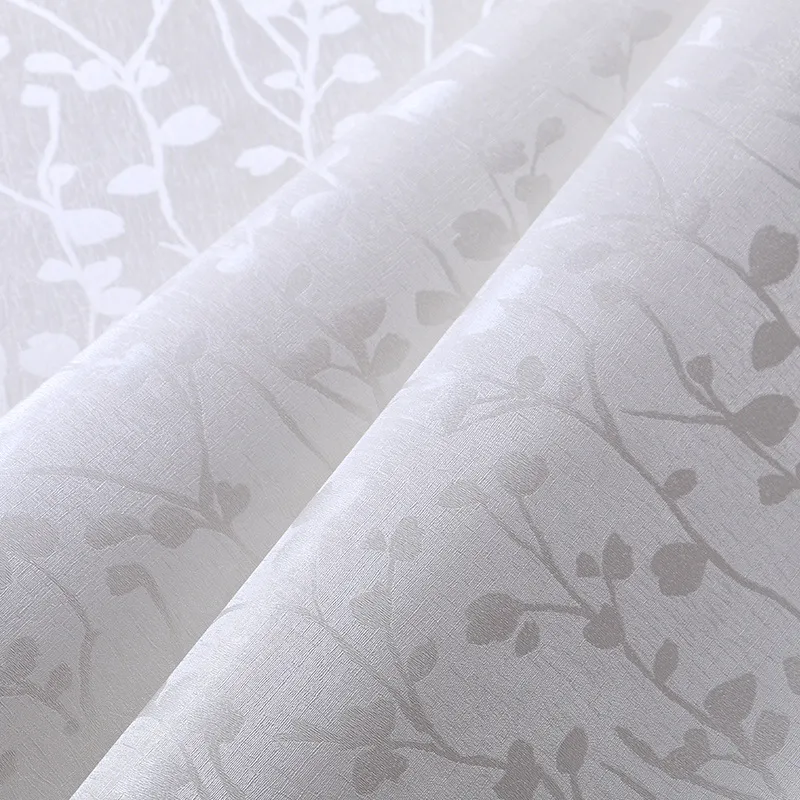
Use proper edge sealing, rounded corners, or mechanical trims in high-wear zones. Where bending is expected, specify flexible film grades and provide bending radius guidelines.
Maintain controlled humidity and temperature in production and warehousing. Store rolls horizontally with protective sleeves to avoid moisture ingress and mechanical distortion.
Before blaming the film itself, run this quick checklist:
• Verify substrate cleanliness and dryness.
• Check ambient humidity and temperature at installation.
• Confirm adhesive curing conditions (if heat-activated).
• Inspect edges for cutting damage or sharp transitions.
• Review recent material batch numbers and process logs for anomalies.
If delamination appears across multiple batches, persists after on-site remediation, or causes functional failure (water ingress, structural loss), escalate to material suppliers and run accelerated aging (humidity/thermal cycling) and peel-strength tests in a certified lab. Document photos, environmental data, and process parameters to speed root-cause analysis.
Consistency wins: keep raw-material specs stable, control processing windows, and standardize installation conditions. Training installers to follow manufacturer guidelines and protecting edges are simple steps that dramatically reduce delamination claims.
Pulivk — Henan Pulivk New Materials Co., Ltd. offers full in-house production capabilities (calendering, printing, split-packaging) and can support OEM customization, QC testing, and process consultation to help minimize delamination risks. Visit https://pvcfilmtec.com/ for product details and contact information.