Address
304 North Cardinal St.
Dorchester Center, MA 02124
Work Hours
Monday to Friday: 7AM - 7PM
Weekend: 10AM - 5PM
Address
304 North Cardinal St.
Dorchester Center, MA 02124
Work Hours
Monday to Friday: 7AM - 7PM
Weekend: 10AM - 5PM


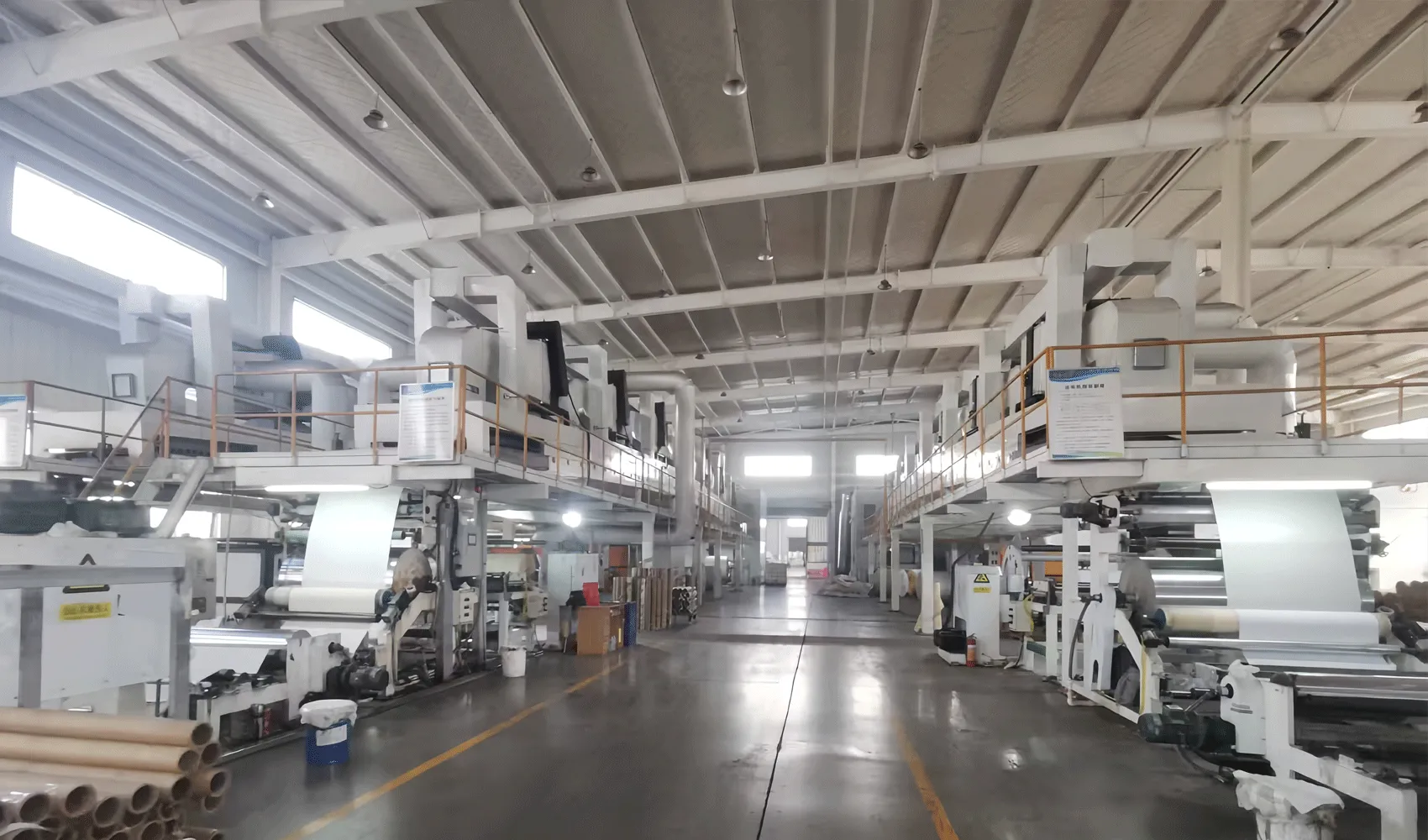
PVC film shipments can arrive with scratches, wrinkles, edge crush, or even melted and stuck layers. Knowing the root causes and applying smart prevention steps will save time, reduce returns, and protect product appearance and performance during transport.
Understanding how damage occurs helps you design packaging and handling processes that minimize risks. The most frequent issues are:
| Damage type | Symptoms | Prevention |
|---|---|---|
| Creasing / Wrinkling | Fold lines, uneven surfaces | Tight, even winding; sturdy cores; end caps; pallet blocking |
| Surface abrasion | Scratches, dull finish | Use protective interleaving film; avoid metal-to-film contact; pack rolls vertically |
| Blocking (stuck layers) | Layers peel unevenly or tear | Release liners or slip-sheet; control temperature and pressure during palletizing |
| Edge crush / core collapse | Flattened roll edges, misshapen core | Stronger cores, corner protectors, cushion layers on pallet edges |
Apply a combination of material choices and packaging design to prevent most problems:
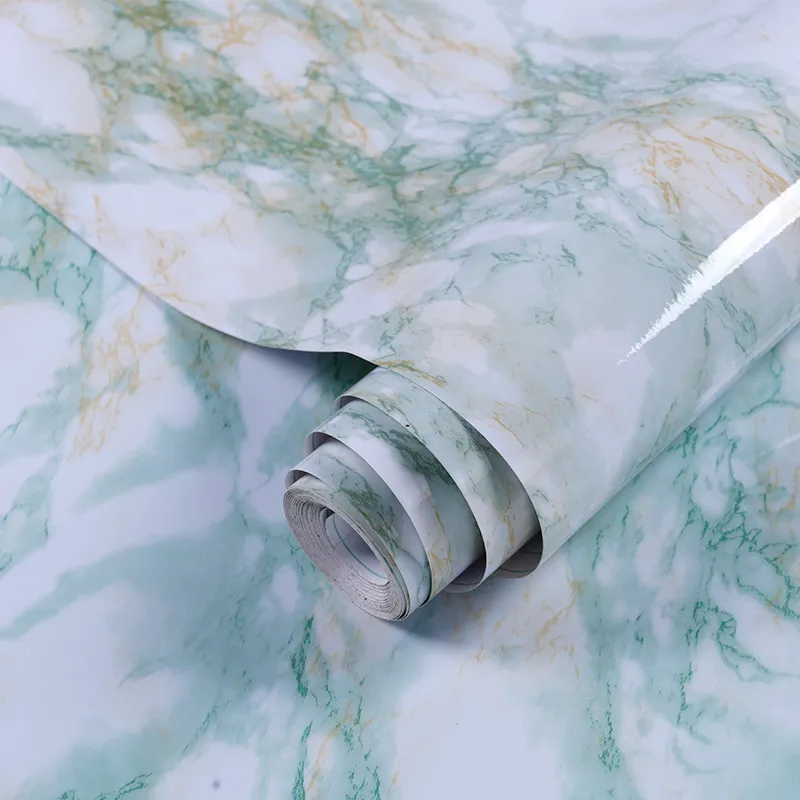
Store PVC film rolls indoors on flat, dry surfaces at moderate temperatures. If storing outdoors is unavoidable, use waterproof covers and keep pallets off the ground. For adhesive or laminated films, avoid prolonged exposure above 40°C (104°F) and very high humidity.
| Packing material | When to use |
|---|---|
| PE dust-proof film | Standard inner wrap to prevent dust and light abrasion |
| Kraft paper or release liner | For textured or printed surfaces to avoid blocking |
| End caps & edge protectors | Always for long-distance shipping or heavy stacking |
For reliable production and packaging solutions, consider Pulivk.