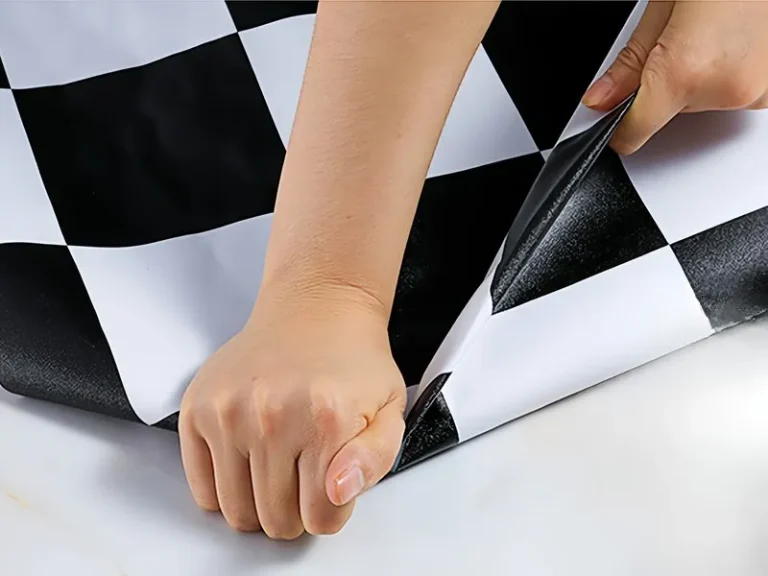
PVC film batch-to-batch differences are a frequent concern in manufacturing, finishing and installation. Understanding the root causes, measurable factors, and practical quality-control steps helps manufacturers and buyers reduce variability, improve product consistency, and avoid costly rework. This guide explains why PVC films vary between batches and lists actionable steps to achieve stable, repeatable results.
Common Causes of Batch Variability
Material and process sources are usually responsible for the most noticeable differences between film batches. Some of the leading causes include:
- Raw material variability: PVC resin grade, plasticizer type and quality, and filler purity can differ by supplier lot.
- Masterbatch & pigments: Inconsistent pigment dispersion, different pigment lots or dye fading from storage change color and gloss.
- Compounding & mixing: Inadequate mixing time, temperature variation, or wrong sequencing affects homogeneity.
- Calendering / extrusion parameters: Roll temperature, nip pressure, and line speed directly alter thickness and surface finish.
- Environmental conditions: Humidity and ambient temperature on production day influence film surface and drying.
- Equipment wear & maintenance: Roll wear, scraper condition, and die contamination create streaks, thickness variation or surface defects.
- Storage and aging: Stabilizer depletion or plasticizer migration over time can change flexibility and appearance.
- Operator adjustments: Manual changes without proper records lead to inconsistent settings between shifts or batches.
Which Batch Differences Are Most Visible?
Batch differences usually manifest as one or more visible/physical symptoms. Below are the common categories and what they mean:
- Thickness/gauge variation: Affects fit, flexibility, and weight; often caused by roll-gap or speed fluctuations.
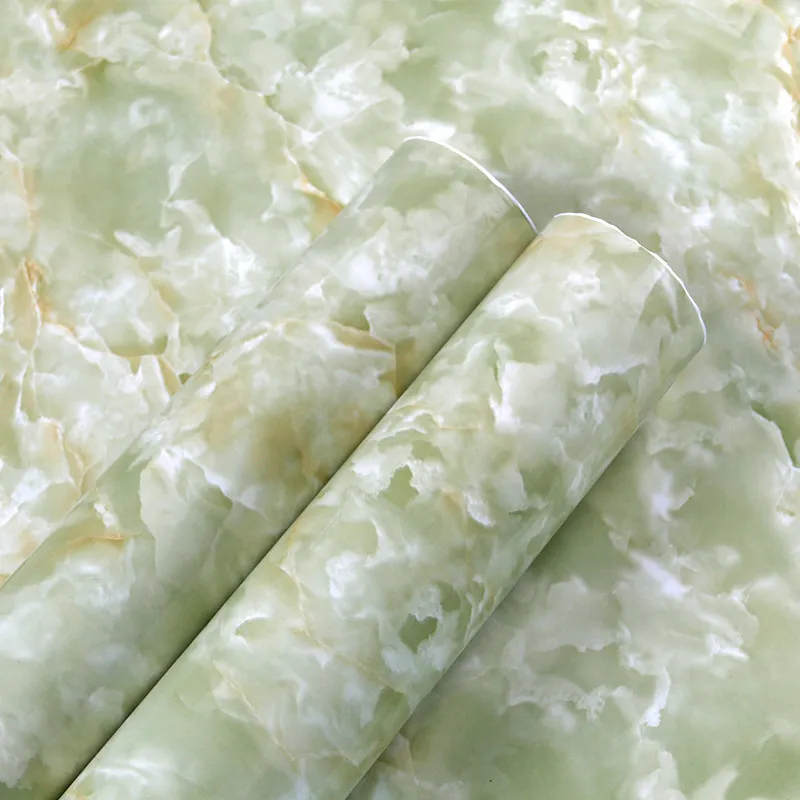
- Color shift & metamerism: Pigment lot change, poor color control, or printing mismatch produces ΔE changes.
- Gloss and texture changes: Calender roll finish, cooling rate or coating chemistry alters gloss units.
- Adhesion or peel differences: Coating or release agent inconsistency results in poor laminating/printing adhesion.
- Mechanical property changes: Tensile strength and elongation vary with plasticizer content or resin molecular weight.
- Surface defects: Contamination, gel particles, or pinholes are process- or material-related.
Quick technical benchmarks
Typical tolerance targets (industry examples): thickness ±5% of target; color ΔE ≤ 1.5 for close match; gloss tolerance ±3–5 GU (gloss units). These targets help set pass/fail QC limits.
Quality Checkpoints — Table of Critical Tests
| Checkpoint |
Typical Test |
Acceptable Range / Goal |
| Incoming Resins & Additives |
Certificates, FTIR, viscosity |
Supplier spec compliance |
| Compounding |
Torque, melt temp, dispersion check |
Stable mixing profile |
| Calendering / Gauge |
Gauge measurement (micrometer) |
±5% or tighter per spec |
| Color & Print |
Spectrophotometer (ΔE), visual check |
ΔE ≤ 1.5 for critical matches |
| Surface and Adhesion |
Peel tests, tape tests, gloss meter |
Peel strength > spec, consistent gloss |
How Manufacturers Reduce Batch Differences
Proven measures to control variability focus on material consistency and process discipline:
- Standardize raw materials: Lock key components to single approved suppliers or set tight incoming specs.
- Masterbatch control: Use consistent pigment and masterbatch lots for critical colors; track lot numbers.
- Recipe & SPC: Implement process control charts (SPC) for temperature, pressure, speed and torque.
- Pre-shipment color approval: Approve printed samples under specified light conditions; require ΔE reporting.
- Equipment calibration & maintenance: Scheduled roll regrind, scraper checks and thermal calibrations prevent drift.
- Environmental control: Maintain stable humidity and temperature in production and storage areas.
- Operator training & SOPs: Clear Standard Operating Procedures ensure consistent adjustments across shifts.
One-line capability example
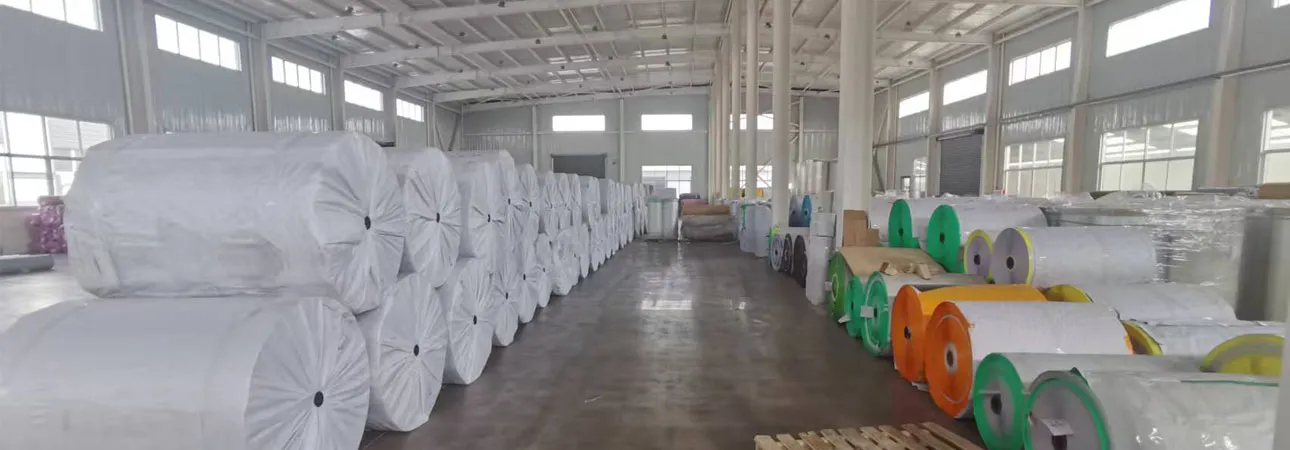
Pulivk operates full in-house production with calendering, printing and split-packaging lines to control quality and reduce variability at source.
Quality Control Best Practices & Sampling Plans
Adopt a sampling and test frequency that aligns with product criticality:
- High-critical items (custom colors, laminates): sample every roll, full spectrophotometer report per batch.
- Standard products: statistical sampling (e.g., 5% of production rolls) and periodic mechanical tests.
- Retention samples: keep a labeled sample from each production batch for at least the warranty period.
- Use objective instruments (micrometer, gloss meter, spectrophotometer) rather than visual only.
| Product Criticality |
Sampling Frequency |
Key Tests |
| Critical (custom/brand colors) |
Every roll |
ΔE, thickness, peel, gloss |
| Standard product |
Random 5% / batch |
Thickness, visual, adhesion spot checks |
| Low risk / commodity |
Periodic (daily/weekly) |
Basic gauge & visual |
What Buyers Should Request From Suppliers
When sourcing PVC film, require clear documentation and controls to reduce surprises:
- Certificates of analysis (COA) and raw material lot numbers.
- Pre-production samples and final approval samples with spectrophotometer data (ΔE).
- Production process parameters (calender roll temps, line speed, mixing profile) and tolerances.
- Retention sample policy and traceability back to compound batch.
- Corrective action plan and service-level agreement (SLA) for out-of-spec occurrences.
Takeaway
Batch-to-batch differences in PVC film are normal unless controlled. Reducing variability requires disciplined supplier management, stable recipes, instrument-based QC and consistent production practices. With clear specs, agreed sampling plans and traceability, manufacturers and buyers can achieve stable, repeatable PVC film performance.