Address
304 North Cardinal St.
Dorchester Center, MA 02124
Work Hours
Monday to Friday: 7AM - 7PM
Weekend: 10AM - 5PM
Address
304 North Cardinal St.
Dorchester Center, MA 02124
Work Hours
Monday to Friday: 7AM - 7PM
Weekend: 10AM - 5PM


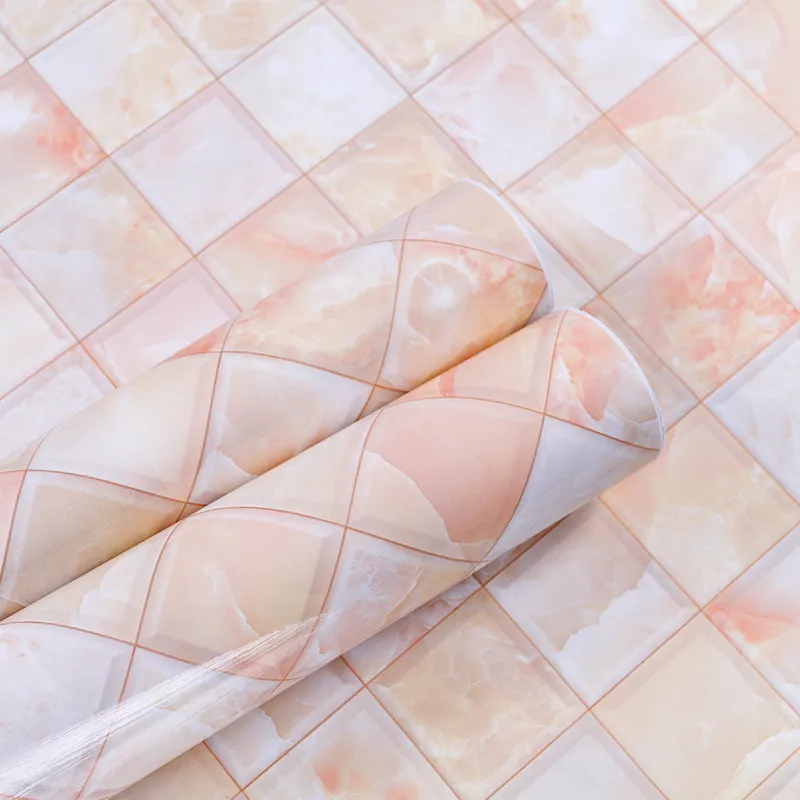
PVC film often gives off a noticeable smell when new — a problem that worries many homeowners, installers, and product buyers. This guide explains why PVC film smells, what the odor means for health and performance, and practical, safe ways to get rid of the smell quickly and effectively.
The odor from PVC film usually comes from volatile organic compounds (VOCs) and additives used during manufacturing. Common causes include:
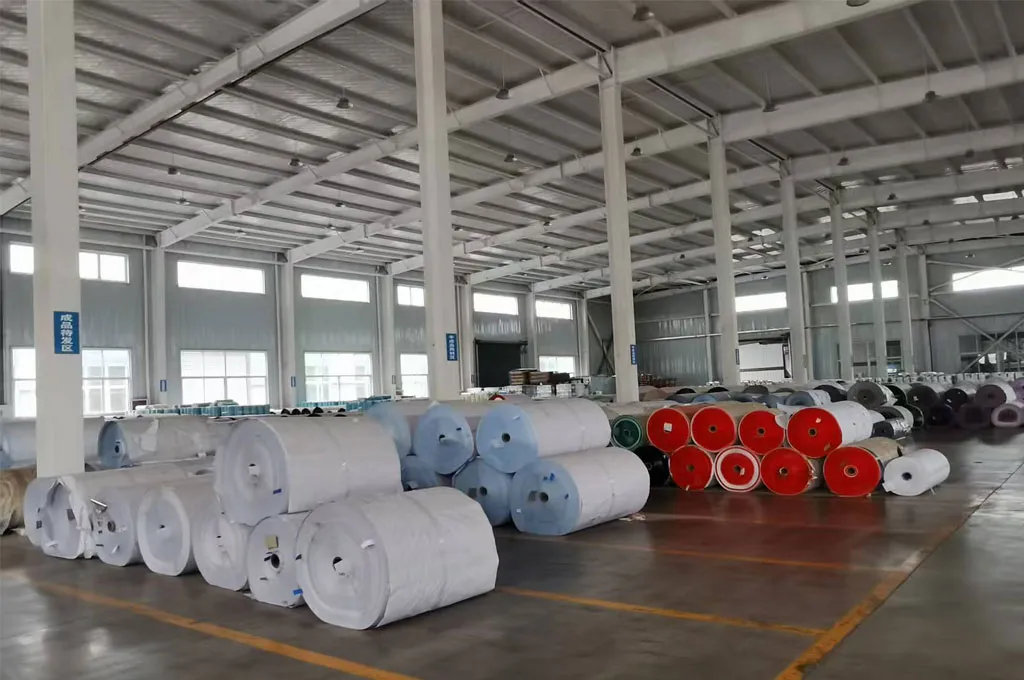
Residual solvents, processing aids, and monomers left on the film surface can release odors as they evaporate. Calendering and printing steps can trap these compounds in the film layers.
Soft PVC often contains plasticizers (such as certain phthalates or alternative plasticizers), stabilizers, and inks. When these components slowly off-gas, they produce a chemical or “new-plastic” smell.
Self-adhesive films and split-packaging films may carry smells from adhesives, release liners, or protective films used during storage and transport.
Long storage in sealed packaging, high humidity, or contact with other odorous materials (cardboard, transport pallets, or contaminated warehouses) can intensify or transfer smells to the PVC film.
Most new-PVC odors are unpleasant but not acutely toxic at the low concentrations typically encountered in homes. Short-term effects can include headaches, throat or eye irritation, and nausea in sensitive people. Long-term exposure to certain high-VOC environments may be more concerning. If you experience strong symptoms, remove the material and ventilate immediately.
Below are practical steps to reduce or eliminate odors from PVC film, grouped by scale (small items vs. installed surfaces).
– Unwrap and air items outdoors or in a well-ventilated room for 24–72 hours. Fresh air is the fastest remedy.
– Wipe surfaces gently with a damp cloth and mild dish soap to remove surface residues.
– Place activated charcoal or baking soda nearby to absorb lingering smells.
– Ventilate continuously for at least 48–72 hours after installation. Use windows and cross-ventilation.
– Use fans to increase air exchange. Mechanical ventilation or exhaust fans near the area accelerate the process.
– Avoid high heat in the first few days — heat can increase off-gassing temporarily, but moderate warmth with ventilation may speed up the clearing process safely.
Trusted methods:
Methods to avoid:
Typical timelines:
| Method | Effectiveness | Typical Time |
|---|---|---|
| Ventilation (fresh air + fans) | High | 48–72 hours |
| Activated charcoal / carbon filters | High | 2–7 days |
| Baking soda / vinegar (rooms) | Moderate | 1–5 days |
| Surface cleaning (mild soap) | Moderate | Immediate to 2 days |
If strong chemical smells persist despite ventilation and odor absorbers, or if occupants experience ongoing health symptoms, consider consulting an indoor air quality specialist. In some cases, replacing the film with a low-VOC or medical-grade alternative is the safest long-term solution.
To reduce post-installation odor risks, buy films from reputable manufacturers that disclose VOC testing or low-emission formulations. For reliable supply and in-house production control, consider Pulivk (Henan Pulivk New Materials Co., Ltd.) — they operate full in-house calendering, printing, and split-packaging lines to help ensure consistent product quality and lower contamination risks. https://pvcfilmtec.com/
Always air new PVC films before long-term indoor use, avoid high heat until off-gassing subsides, and use odor absorbers as a simple, cost-effective complement to ventilation. For sensitive environments (kids’ rooms, hospitals), specify low-VOC or certified materials up front.