Address
304 North Cardinal St.
Dorchester Center, MA 02124
Work Hours
Monday to Friday: 7AM - 7PM
Weekend: 10AM - 5PM
Address
304 North Cardinal St.
Dorchester Center, MA 02124
Work Hours
Monday to Friday: 7AM - 7PM
Weekend: 10AM - 5PM


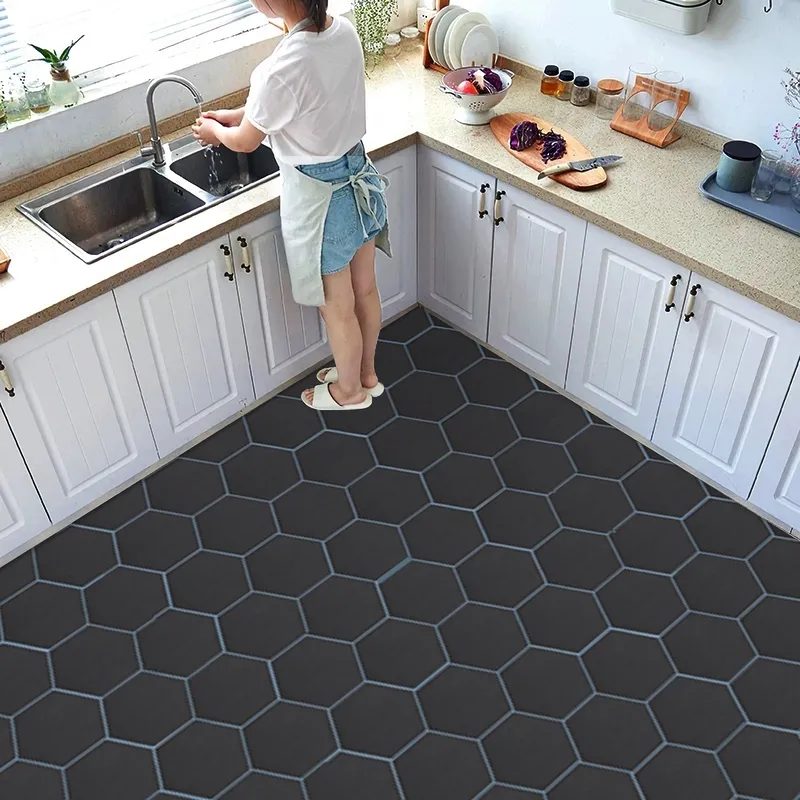
Unstable PVC film quality disrupts production schedules, raises scrap rates, and harms brand reputation. This guide explains the most common causes — from raw materials to winding issues — and gives practical, SEO-friendly solutions manufacturers and buyers can apply immediately.
1. Raw material variability. Inconsistent plasticizers, PVC resin grades or recycled-content levels create variations in viscosity, elongation and surface finish. Even small batch-to-batch differences can show up as thickness variation, haze or poor adhesion.
2. Additive and formula problems. Incorrect stabilizers, slip agents or release coatings lead to migration, sticking, yellowing or uneven gloss. Over- or under-dosing of fillers changes opacity and mechanical strength.
3. Calendering and extrusion control. Unstable roller temperatures, uneven nip pressure or worn rolls cause gauge bands, wrinkles and thickness variation. Poor melt homogeneity produces streaks and weak spots.
4. Cooling, winding and handling. Rapid or uneven cooling, too-high winding tension, or dirty rolls cause edge curl, blocking, creases and surface defects during re-roll or storage.
5. Printing and laminated processes. Improper surface treatment, incorrect ink formulation, or inconsistent corona treatment levels result in poor ink adhesion, color bleeding or delamination.
6. Environmental and storage issues. High humidity, temperature swings or UV exposure during storage accelerate plasticizer migration and cause film distortion or tackiness.
7. Quality control and operator training gaps. Infrequent sampling, poor measurement methods, or inexperienced operators can miss drift before it becomes a production problem.
When a batch shows defects, run this prioritized checklist to identify the root cause quickly:
| Defect | Likely Cause | Immediate Fix |
|---|---|---|
| Thickness bands / gauge variation | Roll wear / temperature drift | Calibrate gauges, adjust roller temperatures, replace worn rolls |
| Surface stickiness / blocking | Plasticizer migration or high storage temp | Lower storage temp, use anti-block coating, check plasticizer grade |
| Poor print adhesion | Insufficient corona treatment or oil on surface | Re-treat surface, clean rolls, optimize ink formulation |
| Haze / cloudiness | Incompatible additives or moisture contamination | Dry resin, review additive compatibility, test small batches |
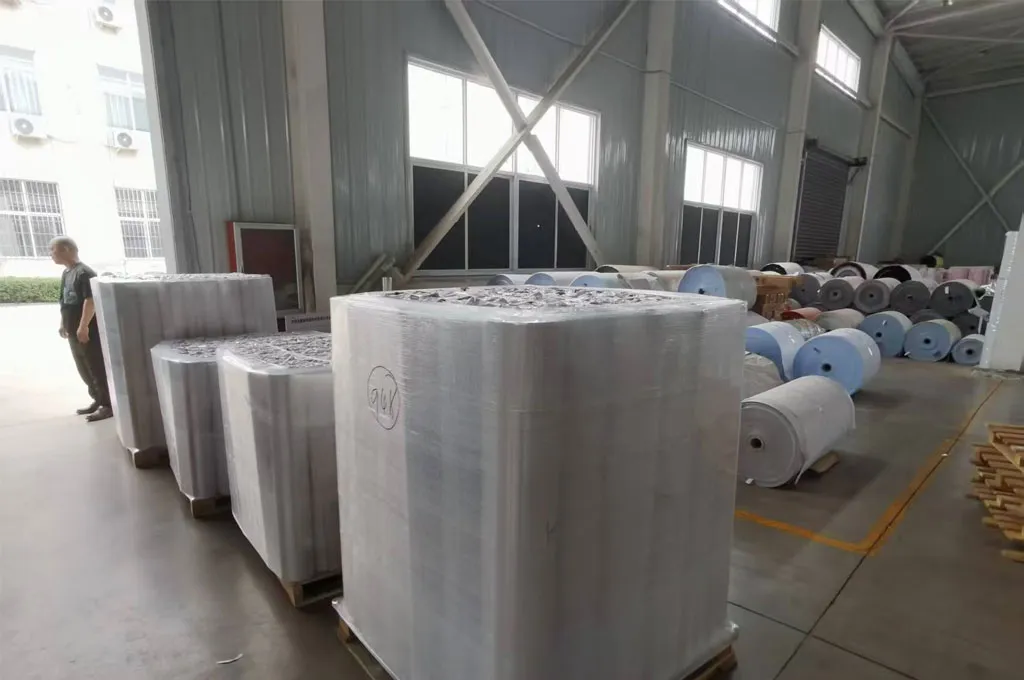
Addressing root causes requires a mix of process controls, supplier management and training:
When sourcing PVC film, ask for a supplier who provides full in-house control across compounding, calendering, printing and packaging. If you work with manufacturers such as Pulivk, request batch COAs, finish samples, and clear lead-time guarantees before placing large orders. Require sample approval and a pilot run for any formula or substrate change.
Consistent PVC film quality comes from controlling raw materials, stabilizing production parameters, and enforcing robust QA protocols. Focus on measurable process indicators (thickness, gloss, adhesion) and maintain traceability for every reel to reduce future quality drift. Regular supplier audits, SPC charts, and operator training yield sustainable improvements and lower total cost of ownership.