Address
304 North Cardinal St.
Dorchester Center, MA 02124
Work Hours
Monday to Friday: 7AM - 7PM
Weekend: 10AM - 5PM
Address
304 North Cardinal St.
Dorchester Center, MA 02124
Work Hours
Monday to Friday: 7AM - 7PM
Weekend: 10AM - 5PM


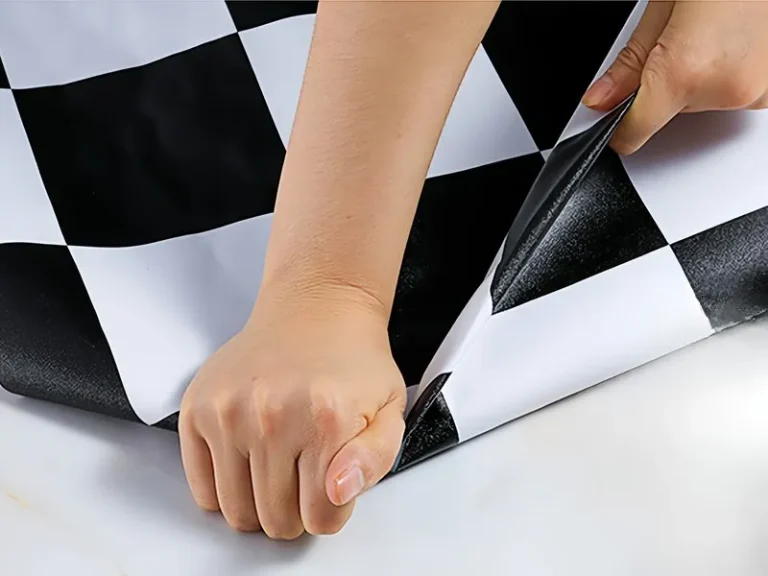
PVC film manufacturers and processors often face the challenge of raw material instability — uneven viscosity, color variation, poor film strength, or inconsistent gloss. These problems erode product quality, increase waste, and harm delivery schedules. Below we outline the most common causes of instability for PVC film raw materials and give practical, actionable solutions that production teams and procurement managers can implement immediately.
Cause: Different batches of PVC resin (K-value, intrinsic viscosity) yield films with divergent melt behavior and mechanical properties.
Indicator: Film thickness and tensile strength vary between batches; extrusion torque fluctuates.
Cause: Low-grade or incompatible plasticizers, or incorrect dosing, result in tacky surfaces, whitening, or premature embrittlement.
Indicator: Soft spots, surface bloom, or post-production cracking during storage.
Cause: Stabilizers, lubricants, fillers, and pigments must match formulation needs. Impurities or wrong particle size affect dispersion and thermal stability.
Indicator: Color streaks, odor on heating, uneven gloss, and increased scrap rates.
Cause: Hygroscopic additives or poor storage methods lead to moisture pickup, causing bubbles, sizzle during extrusion, or reduced film clarity.
Indicator: Pinholes, porosity, and surface defects after calendaring or extrusion.
Cause: Unstable extrusion/calendering temperatures, uneven roll cooling, or incorrect line speeds produce inconsistent film gauge and finish.
Indicator: Wave patterns, inconsistent gloss, or localized thinning.
Cause: Multiple suppliers with non-uniform quality checks or undocumented raw material changes can introduce batch-to-batch instability.
Indicator: Sudden shifts in melt flow, color, or mechanical properties after a supplier change.
Standardize raw material specs: Define tight acceptance criteria for PVC resin (K-value, particle size), plasticizers (viscosity, purity), and additives. Include testing requirements on COA (Certificate of Analysis) for every shipment.
Centralize procurement and approve suppliers: Limit the number of approved suppliers, perform regular audits, and keep sample panels for visual and mechanical comparison.
Improve storage and handling: Use dry, temperature-controlled warehouses; rotate stock (FIFO); employ desiccant systems or dehumidifiers for hygroscopic components.
Batch blending and pre-compounding: Where small resin variations exist, consider pre-blending or using a masterbatch to harmonize properties across production runs.
Robust incoming QC: Test each delivery for moisture content, melt flow, ash content, and color. Reject or quarantine any lot that falls outside specifications.

Optimize processing parameters: Standardize extrusion and calendering recipes: temperature profiles, roller gaps, line speeds, and cooling regimes. Use PID-controlled heaters and document every run.
Use compatible additives and validated dosages: Validate stabilizers, lubricants, and plasticizers in small-scale trials before full-scale production. Maintain a library of proven formulations for different film types (glossy, matte, embossed).
Implement in-line monitoring: Use thickness gauges, surface temperature sensors, and vision systems to detect deviations early for immediate correction.
| Cause | Typical Signs | Immediate Fix |
|---|---|---|
| Resin batch variation | Melt instability, film strength drift | Blend batches or adjust formulation; contact supplier |
| Plasticizer mismatch | Tackiness, migration, whitening | Check dosage; switch to approved plasticizer grade |
| Moisture pickup | Bubbles, pinholes, opacity | Dry materials; reduce hopper humidity; inspect storage |
| Processing drift | Gauge swing, gloss variation | Lock process recipe; recalibrate equipment |
Invest in supplier partnerships: Work with preferred suppliers to co-develop consistent resin grades and secure long-term contracts to avoid last-minute substitutions.
Regular R&D trials: Small-scale compound trials simulate production conditions and help refine formulations before full rollouts.
Staff training and documentation: Ensure operators understand the impact of raw material variations. Maintain clear SOPs (Standard Operating Procedures) for handling deviations.
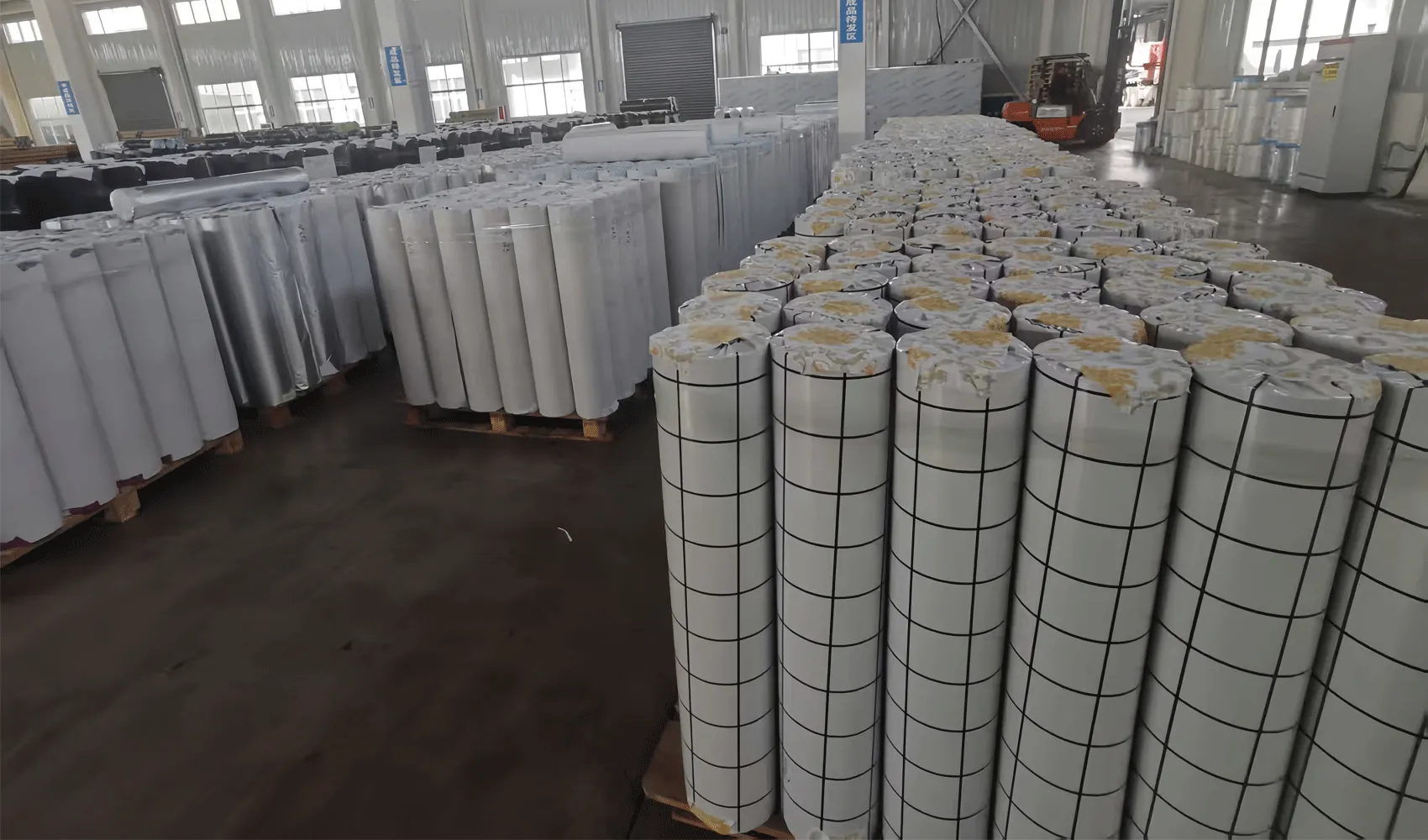
Leverage full in-house control: Pulivk (Henan Pulivk New Materials Co., Ltd.) emphasizes integrated production—from raw material processing to final packing—to reduce variability and shorten lead times. Centralized control across calendering, printing, and split-packaging lines helps ensure consistent outcomes and faster corrective action when issues arise.
Request COAs and sample panels before approving new lots; perform accelerated aging tests for plasticizer migration; and keep a quarantine process for suspect lots. Small preventive steps save time and cost compared to rework and customer returns.
Document the resin lot numbers, processing temperatures, plasticizer type, and recent supplier changes before consulting your technical team — these details speed troubleshooting and lead to faster, targeted remedies.